How to Aquascape a Pea Puffer Species Tank: Enrichment First
Pea puffers are tiny predators with outsized personalities. Carinotetraodon travancoricus, barely 2.5 cm fully grown, hunts snails, stalks bloodworms and defends territory with surprising aggression. A species tank designed around their behaviour is far more successful than dropping them into a generic community setup. This aquascape pea puffer species tank guide from Gensou Aquascaping in Singapore focuses on enrichment-driven design, using plants, hardscape and layout to manage aggression and stimulate natural hunting behaviour, drawing on over 20 years of experience with these charismatic fish.
Why Enrichment Matters for Pea Puffers
Boredom is a genuine problem for intelligent fish. Pea puffers in sparse tanks pace the glass, nip tankmates relentlessly and develop stress-related issues. A richly planted, well-structured aquascape provides visual barriers that break lines of sight, reducing confrontations. It also creates micro-habitats where each puffer establishes a small territory without constant conflict.
Tank Size and Stocking
Allow 15 litres per puffer as a minimum. A 60 cm tank of approximately 55-60 litres comfortably houses three to four individuals. Keep a ratio of one male to two females if possible, though sexing juveniles is difficult. Males are slimmer with a dark ventral line and iridescent eye wrinkles. Overstocking leads to relentless chasing, so err on the side of fewer fish and more space.
Hardscape for Sight Breaks
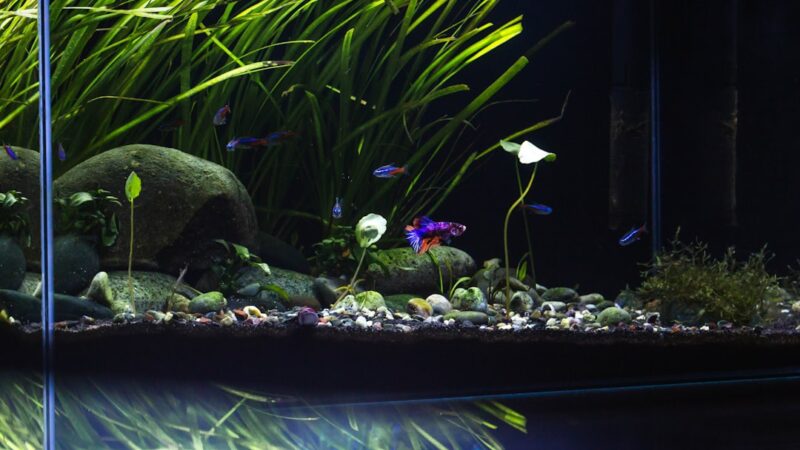
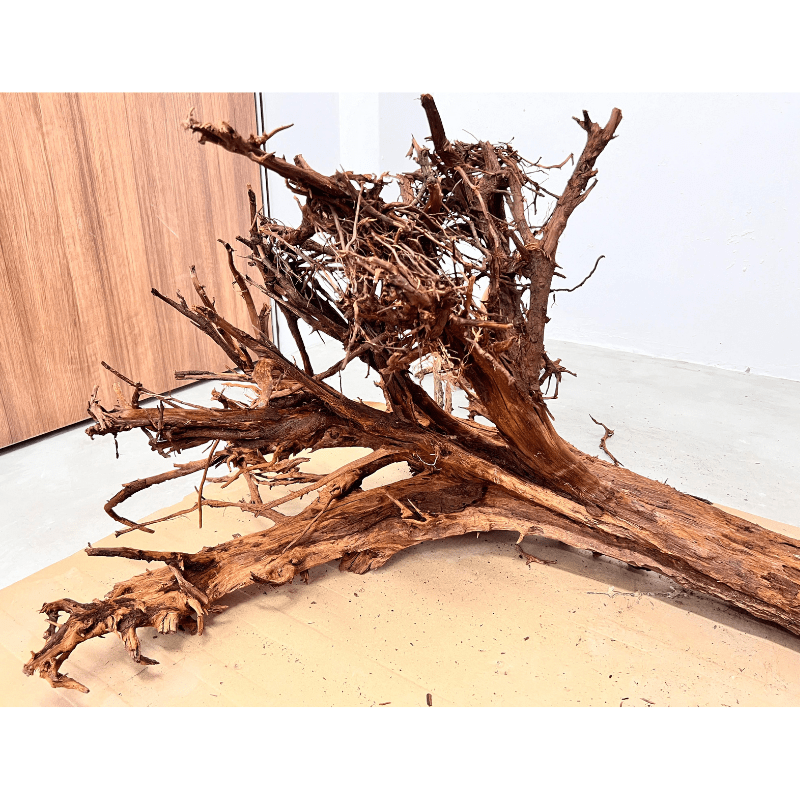
Dense hardscape is the backbone of a pea puffer aquascape. Use dragon stone, seiryu stone or spider wood to create multiple distinct zones separated by visual barriers. Each puffer should be able to occupy a territory where it cannot see its neighbours when resting. Stack rocks to create small caves and overhangs. Puffers love inspecting crevices and will wedge themselves into surprisingly tight gaps to sleep.
Position the largest hardscape pieces off-centre, creating a natural focal point while dividing the tank into at least three or four distinct areas. Open swimming channels between the zones allow movement without forcing puffers through each other’s core territory.
Planting for Cover and Hunting Grounds
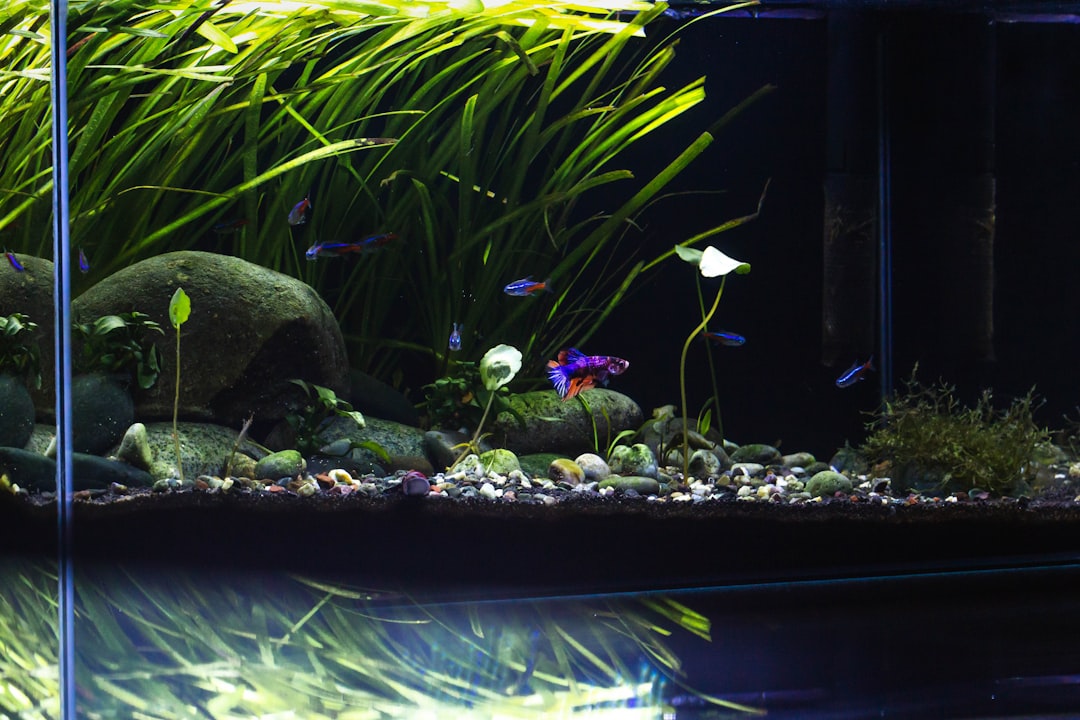
Dense planting is essential. Cryptocoryne wendtii and Cryptocoryne parva in the foreground and midground provide low, bushy cover. Java moss (Taxiphyllum barbieri) draped over rocks and wood creates additional hiding spots and harbours infusoria and micro-organisms that puffers investigate.
Tall stems like Rotala rotundifolia or Limnophila sessiliflora in the background complete the canopy effect. Floating plants such as Salvinia minima or red root floaters dim the light slightly and give puffers a sense of overhead cover, reducing skittishness. In Singapore’s bright ambient light, floaters also help control algae by absorbing excess nutrients from the water column.
Creating Live Food Zones
Pea puffers are obligate carnivores with a preference for live prey. Designate a corner of the tank as a snail breeding area by placing a small terracotta pot with a piece of blanched vegetable inside. Ramshorn or Malaysian trumpet snails colonise the pot and provide a self-renewing food source. The puffers learn to patrol the pot, which adds behavioural enrichment.
Frozen bloodworms, daphnia and brine shrimp supplement the diet. Drop food into different spots each time to encourage foraging rather than begging at the same corner. Varied feeding locations keep the puffers active and mentally stimulated.
Water Parameters and Temperature
Pea puffers prefer soft, slightly acidic water: pH 6.5-7.5, GH 5-15, temperature 24-28°C. Singapore’s PUB tap water matches these parameters well after dechlorination. No heater is needed in most homes. Filtration should be gentle. A sponge filter or a small hang-on-back filter with a baffled outlet prevents the puffers from being buffeted by strong current. They are slow, deliberate swimmers and do not appreciate turbulent flow.
Maintenance and Long-Term Success
Weekly 25-30% water changes keep water quality stable. Siphon uneaten food carefully because pea puffers are messy eaters that shred prey and leave fragments. Test for ammonia and nitrite weekly in the first two months. Inspect puffers regularly for signs of internal parasites, which are common in wild-caught specimens. A precautionary course of praziquantel after purchase is standard practice among experienced puffer keepers.
A well-designed pea puffer species tank aquascape turns a small aquarium into a dynamic, constantly engaging display. Watch them hunt, patrol and interact, and you will understand why these tiny fish have such a devoted following in the hobby.
Related Reading
- How to Aquascape for Puffer Fish: Enrichment and Exploration
- Aquascaping With Bucephalandra Species Only: Slow-Grow Jewel Tank
- Aquascaping With Cryptocoryne Species Only: Low Light Jungle
- Aquascaping With Eriocaulon Species: Star-Shaped Foreground Accents
- Aquascaping With Helanthium Species Only: Micro Sword Meadow