Aquascaping With Hygrophila Pinnatifida Only: Textured Leaf Contrast
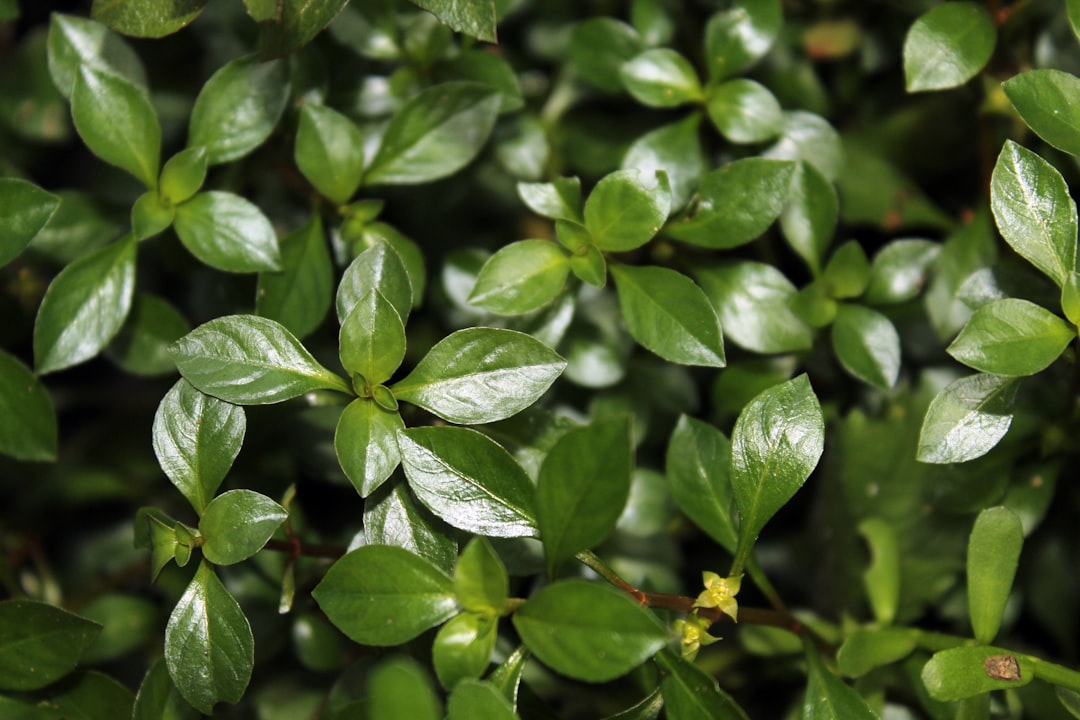
Single-species aquascapes strip away complexity to showcase one plant’s full range of forms, and few species reward this approach better than Hygrophila pinnatifida. With its deeply lobed, oak-like leaves that shift from olive-green on top to burgundy-purple underneath, this Indian native delivers extraordinary texture and colour without needing a single companion plant. This aquascape Hygrophila pinnatifida only guide from Gensou Aquascaping in Singapore covers everything from planting technique to long-term trimming strategy.
Why Hygrophila Pinnatifida Works as a Solo Species
Hygrophila pinnatifida behaves differently depending on how and where you plant it. Rooted in substrate, it grows upright with larger leaves. Attached to hardscape, it creeps laterally, sending out smaller leaves and clinging roots that grip rock and wood. This dual growth habit lets you fill foreground, midground, and background zones with a single species while maintaining visual variety across the layout.
Hardscape Selection
Rough-textured stones like Seiryu, Ryuoh, or lava rock give H. pinnatifida roots something to grip. Driftwood with crevices and textured bark also works well. Arrange hardscape to create height variation, allowing the plant to creep down rock faces and spread horizontally across wood surfaces. Smooth stones are less effective, as the roots struggle to anchor on polished surfaces. Budget $30-$60 SGD for quality stone or wood from local aquascaping retailers.
Planting Technique
For substrate planting, insert stems 2-3 cm deep into nutrient-rich soil like ADA Amazonia or Tropica Soil. Space them 4-5 cm apart to allow room for lateral growth. For hardscape attachment, wedge small cuttings into cracks in rocks or tie them with cotton thread, which dissolves over weeks as roots establish. Superglue gel also works: apply a tiny dot to the cut end and press firmly against stone for 10 seconds. Within 2-3 weeks, natural roots take over.
Lighting and CO2 Requirements
Medium to high light (40-80 PAR at substrate level) brings out the burgundy undersides and keeps growth compact. Under low light, leaves stretch and lose their distinctive lobed shape. CO2 injection is not strictly mandatory, but it dramatically improves colour intensity and growth density. Without CO2, expect slower spread and greener, less vibrant foliage. In Singapore’s warm climate, run your photoperiod at 7-8 hours to balance growth against algae pressure at higher light levels.
Nutrient Demands
H. pinnatifida is a moderate feeder that responds well to iron-rich fertilisation. Dose a comprehensive liquid fertiliser weekly and supplement with extra iron if leaf colour fades to pale green. Root tabs placed near substrate-planted stems provide a slow-release nutrient source that encourages strong root development and robust upright growth. Potassium deficiency shows as pinholes in older leaves, so watch for early signs and adjust dosing accordingly.
Trimming and Propagation
Trim upright stems to your desired height by cutting just above a leaf node. The cut stem regrows, and the trimmed portion can be replanted or attached to new hardscape positions. Side shoots that creep along rocks can be left to spread naturally or detached and relocated. Regular trimming every 3-4 weeks keeps the layout tidy and encourages bushier, more compact growth. Neglected plants tend to shoot upward rapidly and lose lower leaves.
Creating Depth With a Single Species
Arrange hardscape so that taller stone and wood pieces sit toward the back, with lower profiles in front. Plant H. pinnatifida densely on rear hardscape where it grows upright and tall, and let it creep forward across midground stones in its compact, lateral form. The colour gradient between sun-lit upper leaves and shaded lower foliage adds natural depth. Combined with a dark background, this mono-species layout can rival far more complex designs in visual impact.
Common Issues and Solutions
Melting after initial planting is normal. Emersed-grown tissue culture plants shed their above-water leaves and regrow submersed foliage within 2-3 weeks. Algae on the textured leaves can be managed with a small Caridina multidentata (Amano shrimp) cleaning crew. If growth stalls entirely, check CO2 levels and iron dosing first. H. pinnatifida is a rewarding species once established, offering aquascapers in Singapore a single plant that delivers the texture and contrast of an entire planting list.
Related Reading