
Aquascaping With Staurogyne Repens Only: Compact Green Steps
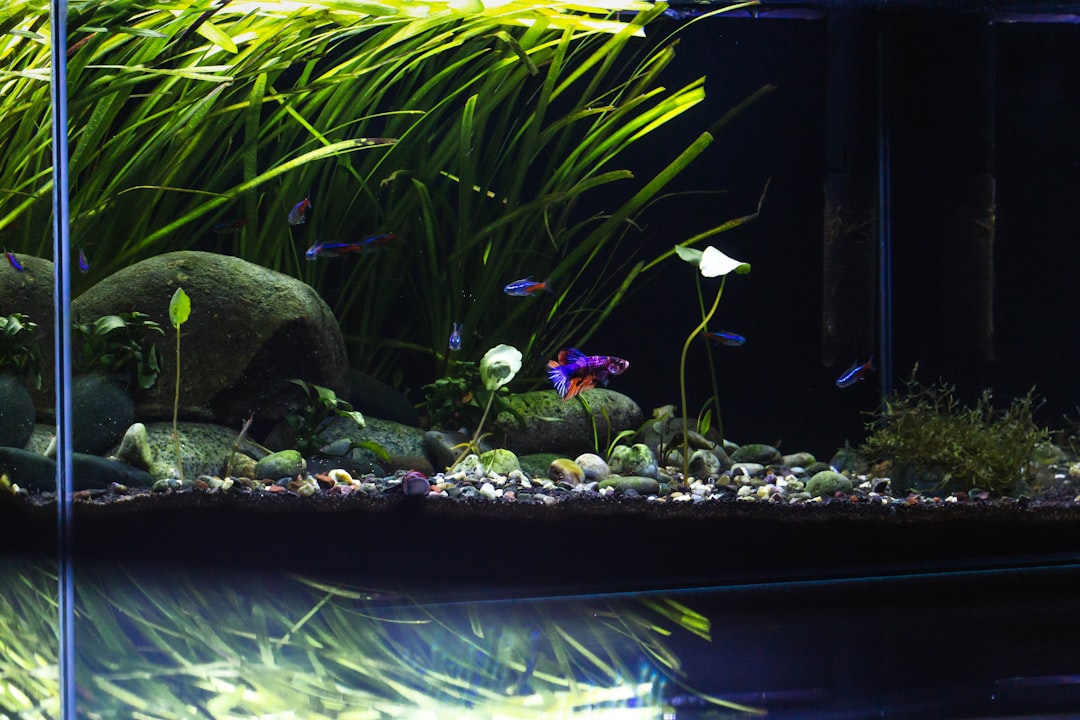
Single-species planted tanks strip away visual complexity and force you to master one plant completely. Staurogyne repens is a superb candidate for this approach: compact, hardy, and capable of forming dense green terraces that rival any carpet plant. This aquascape staurogyne repens only guide walks you through layout, planting and maintenance for a tank built entirely around this versatile stem-turned-foreground plant. Gensou Aquascaping at 5 Everton Park, Singapore, has used S. repens extensively in client installations and competition entries alike.
Why Staurogyne Repens Works Solo
Staurogyne repens behaves differently depending on how you grow it. Under high light and regular trimming, it stays compact at 3-5 cm, forming a dense carpet. Allow it to grow taller and it produces upright stems reaching 10-15 cm with broader leaves. This dual personality means a single species can serve as foreground, midground and background simply by varying trim height across the layout. Few other plants offer this kind of sculptural flexibility.
Tank Size and Hardscape
A standard 60 x 30 x 36 cm (roughly 60 litres) is the sweet spot for this project. Larger tanks work too, but the visual impact of a single species diminishes as the canvas expands. For hardscape, choose a few pieces of seiryu stone or dragon stone arranged in a simple iwagumi-inspired layout. The rocks provide structural contrast against the uniform green. Keep it minimal; three to five stones placed according to basic composition rules create enough visual interest without competing with the plant mass.
Substrate and Nutrition
Staurogyne repens is a root feeder that benefits enormously from a nutrient-rich substrate. ADA Amazonia, Tropica Aquarium Soil or UNS Controsoil all work well. Layer 4-5 cm deep at the rear sloping to 2-3 cm at the front to create a natural sense of depth. Root tabs every 8-10 cm supplement the substrate as nutrients deplete over months. Lean water column dosing is sufficient when the substrate is fresh; increase liquid fertiliser after 6-8 months as the soil exhausts.
Planting Technique
Buy at least three to four pots (or two tissue culture cups) to have enough stems for a 60 cm tank. Separate each pot into individual stems or small clumps of 2-3 stems. Plant each clump roughly 2 cm apart using fine-tipped aquascaping tweezers, pushing the roots firmly into the substrate. The spacing feels sparse initially, but S. repens sends out lateral runners aggressively and fills in within 4-6 weeks under good conditions. Plant the foreground area first, then fill behind the rocks at slightly wider spacing for the taller background sections.
Lighting and CO2
Medium to high light (50-100 PAR at substrate level) paired with pressurised CO2 at 1-2 bubbles per second produces the best growth. Without CO2, Staurogyne repens still grows but much more slowly and tends to stretch upward, looking leggy rather than compact. In Singapore, a quality LED unit like the Chihiros WRGB II or Twinstar S series provides ample output for a 60 cm tank. Run the photoperiod for 7-8 hours daily to balance growth and algae prevention.
Trimming for the Stepped Effect
This is where the magic happens. Once the plant fills in, trim the foreground to 3 cm, the midground to 6 cm and the background sections to 10 cm. Use sharp curved scissors and cut horizontally across each zone. The trimmed stems push out lateral shoots within days, thickening the mass. After two or three trim cycles, you achieve a lush, stepped topography of uniform green with subtle height variation. Replant any healthy cuttings into thin areas to maintain density.
Common Issues and Fixes
Yellowing lower leaves indicate insufficient root nutrition; add root tabs. Algae on leaves, particularly green spot algae, suggests the light-to-CO2 ratio is off; increase CO2 slightly or reduce photoperiod by one hour. Melting after planting is normal for tissue culture specimens transitioning from emersed to submersed growth. Remove dead leaves promptly to prevent decay and be patient; new submersed growth appears within two weeks. BBA (black brush algae) on older leaves means flow or CO2 is inconsistent; check your diffuser and filter output.
The Finished Look
A mature Staurogyne repens single-species aquascape is strikingly elegant in its simplicity. The uniform texture and colour draw the eye to the hardscape composition and the interplay of light on different leaf heights. Add a small school of green neon tetras or ember tetras for movement, and you have a display that proves restraint can be more powerful than complexity. Gensou Aquascaping has found that these single-species designs consistently attract the most attention from visitors, precisely because they are so unusual.
Related Reading



