
Aquascaping on a Budget in Singapore: Tips and Tricks
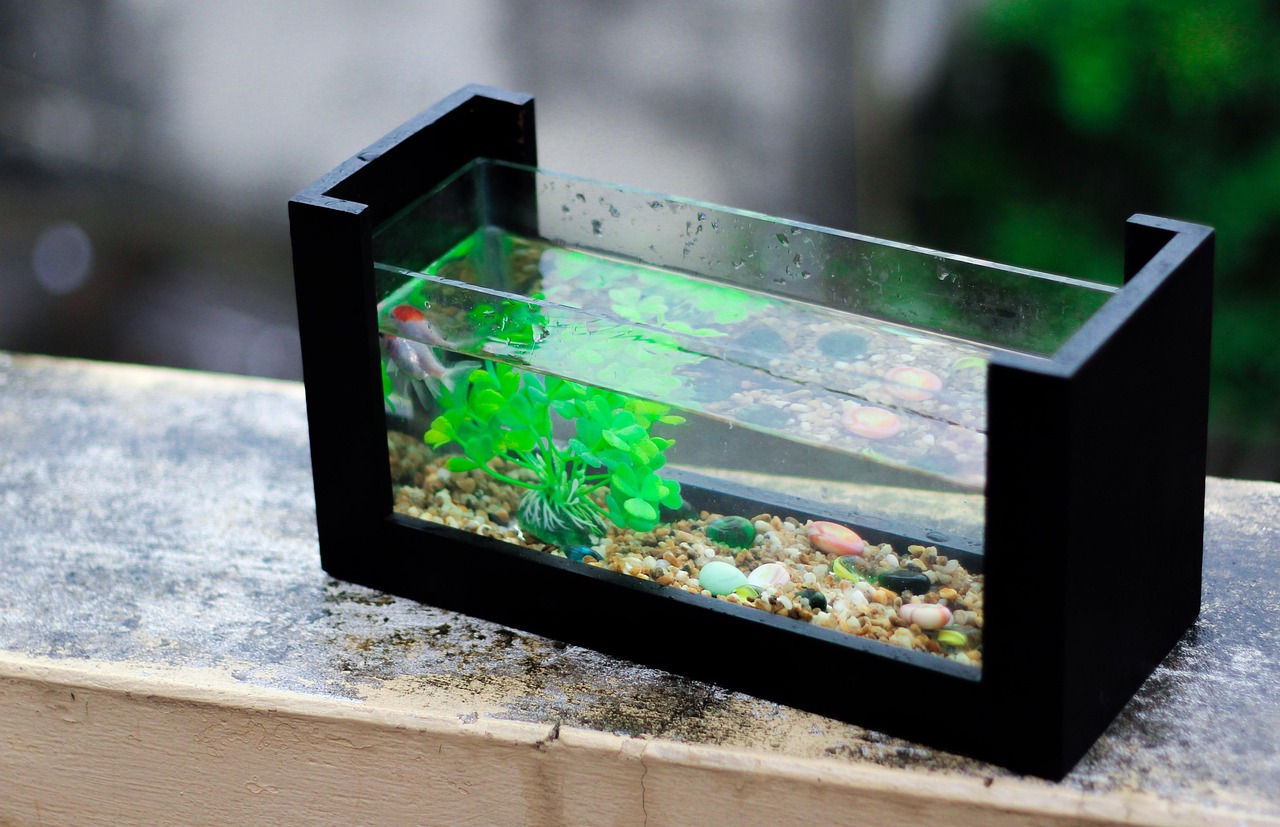
Aquascaping has a reputation as an expensive hobby, and it certainly can be if you chase top-tier brands for every component. But a beautiful planted aquarium does not require a premium budget. With smart shopping, a few DIY alternatives and an understanding of where to splurge versus where to save, you can build a stunning aquascape in Singapore without emptying your wallet. This guide is packed with practical, Singapore-specific advice for keeping costs down while still achieving results you can be proud of. This guide sits inside our broader Singapore Aquarium Hobbyist Guide reference.
Budget Tank Options
The tank itself is the single largest purchase, but there is no need to buy the most expensive option:
- Standard rimless tanks from local manufacturers: Singapore has several local glass tank fabricators who produce clean rimless tanks at a fraction of the cost of branded imports. A basic 60x30x36cm (approximately 65 litres) rimless tank with clear silicone can be found for $40-$70 SGD from local shops.
- Second-hand tanks: Carousell is a goldmine for used aquariums. Many hobbyists upgrade or exit the hobby and sell their tanks in good condition. Inspect the silicone seals carefully — cloudy or peeling silicone means the tank needs resealing (easy to DIY but factor in the cost of aquarium silicone). A used 60cm tank typically sells for $20-$40 SGD.
- All-in-one starter kits: Some brands sell complete kits (tank + light + filter) at a bundled price that is cheaper than buying components separately. These are worth considering if the included equipment meets your needs, though the lights and filters in budget kits are often entry-level quality.
Avoid buying a tank that is too small in an attempt to save money. Nano tanks under 20 litres are harder to maintain (parameters swing faster), limit your plant and fish options, and often end up costing nearly as much as a 60cm setup once you account for all the equipment. The 60cm size (roughly 60-80 litres) is the sweet spot for budget aquascaping — large enough for a proper layout but small enough to keep costs manageable.
Where to Buy Affordable Equipment in Singapore
Local fish shops (LFS)
Singapore’s local fish shop scene is still thriving, and these shops often offer the best prices on everyday consumables (water conditioner, filter media, fish food) and provide hands-on advice. Key areas with clusters of aquarium shops include:
- Clementi: Several shops along Clementi Road and in the surrounding HDB blocks, including well-known planted tank specialists.
- Yishun: The Yishun area has a concentration of fish shops catering to both freshwater and marine hobbyists. Prices tend to be competitive.
- Thomson / Balestier: A traditional hub for aquarium shops with a good range of livestock and equipment.
- Pasir Ris Farmway: Several shops in the Pasir Ris industrial area offer aquarium supplies alongside farming equipment.
Shopee and Lazada
Online marketplaces are unbeatable for commodity items like filter media, CO2 tubing, airline accessories, thermometers and basic tools. During sale periods (9.9, 11.11, 12.12), prices drop further with vouchers and free shipping. Compare prices across multiple sellers and check ratings before purchasing. Brands like SunSun, Qanvee and Chihiros offer excellent value on these platforms.
Carousell
The best platform for second-hand aquarium equipment in Singapore. Filters, lights, CO2 regulators, tanks and even hardscape materials are frequently listed at 30-60% below retail prices. The key to good Carousell deals is patience — check listings regularly and be ready to meet quickly when a good deal appears. Inspect equipment in person before paying if possible.
Facebook groups and forums
Singapore’s aquascaping community on Facebook has active buy/sell/trade groups where hobbyists rehome plants, equipment and livestock. These groups are also excellent for getting free or very cheap plant trimmings from experienced aquascapers who regularly trim their tanks.
DIY Alternatives
Several pieces of aquarium equipment can be replaced with effective DIY alternatives:
Sponge filter instead of canister
For a low-tech planted tank without CO2, a sponge filter powered by an air pump provides adequate filtration at a fraction of the cost of a canister filter. A sponge filter ($5-$10) plus an air pump ($10-$20) totals $15-$30 versus $100-$200 for an entry-level canister. The trade-off is aesthetics — sponge filters are visible in the tank — and the inability to run inline CO2 diffusers. For a budget first tank, this is a worthwhile compromise.
Desk lamp as a grow light
A clamp-on desk lamp fitted with a daylight LED bulb (6500K colour temperature, 10-15 watts) can serve as a basic planted tank light for a nano tank. This is a very entry-level solution and will only support low-light plants (Anubias, Java Fern, mosses), but it costs under $15 SGD from a hardware store. Upgrade to a proper aquarium LED once your budget allows.
DIY root tabs
Commercial root tabs cost $10-$20 per pack. You can make your own by filling empty gel capsules (available from pharmacies for a few dollars) with osmocote slow-release fertiliser pellets. Push them into the substrate near plant roots. They are not as refined as commercial formulations but are effective and dramatically cheaper at scale.
Airline tubing drip acclimation
Instead of buying a dedicated drip acclimation kit, tie a loose knot in a piece of airline tubing and use it to slowly drip tank water into a container holding new fish or shrimp. This is just as effective as commercial drip kits and costs nothing if you already have spare airline tubing.
Vinegar test for rocks
Instead of buying a pH test kit just to check if found rocks are aquarium-safe, drip white vinegar on them. If the rock fizzes, it contains calcium carbonate and will raise your water’s pH and hardness — fine for some setups but problematic for soft-water species. No fizz usually means the rock is inert.
Budget Plant Choices
Some aquarium plants are significantly cheaper than others, and many of the most affordable species are also the easiest to grow:
- Java Fern (Microsorum pteropus): Hardy, low-light, attaches to wood or rocks (no substrate needed). Available for $3-$5 per portion at most local shops.
- Java Moss (Taxiphyllum barbieri): Grows in almost any conditions. A golf-ball-sized portion costs $2-$4 and will quickly spread to cover driftwood or mesh.
- Anubias (various species): Slow-growing but nearly indestructible. Attach to hardscape. Small portions from $3-$8.
- Cryptocoryne (various species): Excellent mid-ground plants that thrive in low to medium light. Potted crypts are available for $3-$6 at most shops.
- Hygrophila polysperma: A fast-growing stem plant that is easy to propagate by trimming and replanting the tops. Buy one bunch and multiply it endlessly.
- Vallisneria: Tall background plant that spreads via runners. Buy a few stalks and they will fill the background within months.
- Water Sprite (Ceratopteris thalictroides): Can be planted or left floating. Grows rapidly and absorbs excess nutrients, helping to prevent algae.
Avoid expensive tissue culture carpet plants and rare Bucephalandra if you are on a tight budget. These can be added later as your tank matures and your budget allows. Focus on hardy, fast-growing species that establish quickly and look good with minimal equipment.
Affordable Hardscape
Budget stones
Premium aquascaping stones (Seiryu, Ohko/Dragon Stone) can cost $5-$15 per kilogram at specialist shops. Budget alternatives include:
- Lava rock: Lightweight, porous and excellent for biological filtration. Available for $2-$5 per kg. Its rough texture is perfect for attaching mosses and Anubias.
- River pebbles: Smooth, rounded stones available cheaply from garden centres. Less dramatic than aquascaping stones but functional and natural-looking.
- Local stone from hardware shops: Some landscape and building supply shops sell natural stone by the kg at much lower prices than aquarium-specific retailers. Test with vinegar to check for calcium carbonate content before use.
Budget driftwood
Malaysian driftwood is the most affordable option locally, typically $5-$15 for a medium-sized piece. Spider wood costs more ($10-$30) but a single dramatic piece can define an entire layout. Check Carousell for used driftwood from dismantled tanks — it comes pre-soaked and free of tannin issues.
Tissue Culture vs Potted Plants
Tissue culture plants (sold in sealed gel cups) are pest-free and consistent in quality but cost $6-$12 per cup. Potted plants from local farms are typically $3-$6 per pot and contain more plant material per dollar, but may carry snails or algae spores.
For a budget setup, potted plants offer better value. Rinse them thoroughly, remove all rock wool from the roots, and inspect for snail eggs. The slight extra effort pays off in cost savings, especially when planting large areas.
Another excellent budget strategy is to ask fellow hobbyists for plant trimmings. Many experienced aquascapers regularly trim their tanks and are happy to give away or cheaply sell healthy cuttings of stem plants, mosses and floaters.
Total Cost Breakdown: Budget 60cm Setup
Here is a realistic budget for a complete 60cm planted aquarium in Singapore, assuming new equipment at the lowest reasonable price point:
| Item | Budget Option | Approx. Cost (SGD) |
|---|---|---|
| Tank (60x30x36cm rimless) | Local fabricator | $50 |
| Light | Chihiros C2 or Nicrew | $35 |
| Filter | SunSun HW-603B canister | $35 |
| Substrate | UNS Controsoil or budget aquasoil (9L) | $25 |
| Hardscape (rocks + wood) | Lava rock + Malaysian driftwood | $20 |
| Plants (5-6 species) | Potted plants from LFS | $25 |
| Water conditioner | Seachem Prime (100ml) | $10 |
| Thermometer | Glass stick-on | $3 |
| Timer | Mechanical timer | $8 |
| Basic tools (tweezers, scissors) | Generic set from Shopee | $10 |
| Fish net | Basic | $3 |
| Total | $224 |
With second-hand equipment sourced from Carousell, this total could drop to $120-$160. Adding CO2 would add $130-$200 for a budget pressurised system (see our CO2 systems guide), which is why many budget setups start as low-tech and add CO2 later as an upgrade.
Where Not to Cut Corners
While saving money is the goal, there are a few areas where spending a little more pays off significantly:
- Substrate: A good aquasoil is worth the investment. Plants grown in proper aquasoil establish faster and grow healthier than those in plain gravel, even with root tab supplementation. This is the foundation of your entire setup.
- Water conditioner: Singapore’s tap water contains chloramine, which is more persistent than chlorine and lethal to fish and beneficial bacteria. Always use a quality water conditioner like Seachem Prime that neutralises chloramine. This is a non-negotiable expense — never skip it.
- Livestock quality: Buy healthy fish and shrimp from reputable shops. Cheap, stressed livestock from dubious sources may carry diseases that wipe out your entire tank. A slightly higher purchase price for healthy animals saves you money on medications and replacements.
- Patience: The cheapest upgrade to any aquarium is time. Resist the urge to add too many fish too quickly, overfertilise or constantly change things. Let the tank mature, let the plants grow in, and let the biological filtration establish. Rushing leads to problems that cost money to fix.
Frequently Asked Questions
What is the cheapest way to start aquascaping in Singapore?
Buy a second-hand 60cm tank and filter from Carousell, use a budget LED like the Nicrew ClassicLED, fill with affordable aquasoil, add lava rock and Malaysian driftwood, and plant with hardy species like Java Fern, Java Moss, Anubias and Cryptocoryne. Skip CO2 initially and run a low-tech setup. Total cost can be as low as $100-$150 SGD.
Is aquascaping cheaper than a marine aquarium?
Significantly cheaper in both setup and ongoing costs. A basic planted freshwater tank needs no chiller (in many cases), no protein skimmer, no expensive salt mix, and freshwater fish and plants cost a fraction of corals and marine fish. The ongoing electricity costs are lower too, since you avoid the power demands of chillers, wavemakers and protein skimmers that marine setups require.
Should I buy equipment during sale periods?
Absolutely. Shopee and Lazada sales (especially 9.9, 11.11 and 12.12) offer genuine discounts on aquarium equipment, particularly from brands like Chihiros, SunSun and Qanvee. Stack vouchers, free shipping and cashback for maximum savings. Plan your purchases in advance and add items to your cart before sale day so you can check out quickly when deals go live.
Can I aquascape without a CO2 system?
Yes. Many beautiful planted tanks run without CO2 injection. The key is choosing appropriate plants — stick to species that thrive in low to medium light without supplemental CO2, such as Anubias, Java Fern, mosses, Cryptocoryne, Vallisneria and Marsilea. Growth will be slower and you will not achieve the lush carpet effects of high-tech setups, but the overall look can be just as attractive in a more naturalistic way. Low-tech tanks also require less maintenance, fewer water changes and no CO2 refill costs.
Whether you are building your first budget aquascape or upgrading an existing setup, Gensou is here to help. We offer professional aquascaping services at every price point and can recommend equipment that delivers the best value for your budget. Browse our shop for quality supplies or contact us for personalised advice.
Related Reading



