
Banggai Cardinalfish Care Guide: Striking Stripes and Easy Breeding
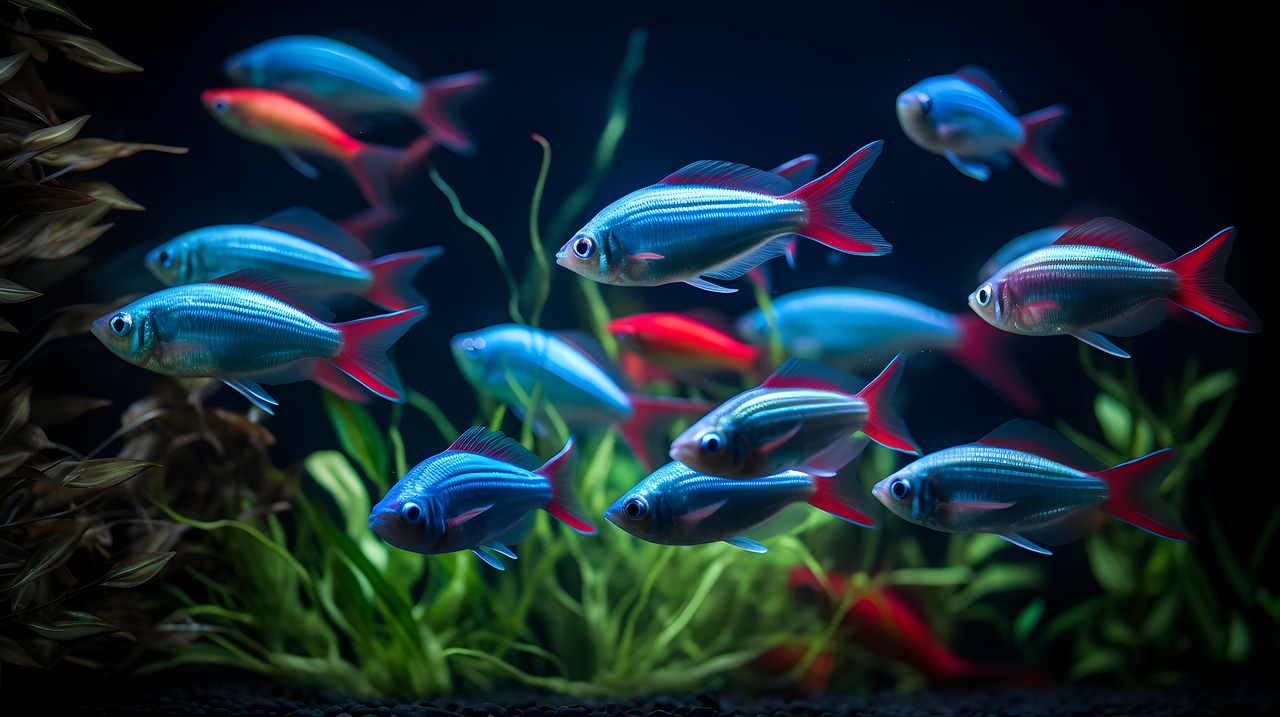
Bold black-and-white stripes, elongated fins, and a calm demeanour — the Banggai cardinalfish is one of the most elegant small fish available to marine hobbyists. This Banggai cardinalfish care guide for marine aquariums covers diet, tank requirements, and the surprisingly straightforward breeding process that makes this species a conservation success story. At Gensou Aquascaping Singapore, we frequently recommend Pterapogon kauderni as an ideal choice for reefers seeking a peaceful, visually striking centrepiece fish. This guide sits inside our broader Tropical Fish Species Master Index reference.
Origin and Conservation
Pterapogon kauderni is endemic to a tiny area around the Banggai Islands in Indonesia. Wild populations have declined due to collection pressure, which makes captive-bred specimens the responsible choice. Fortunately, Banggai cardinalfish breed readily in aquaria, and captive-bred individuals are widely available in Singapore. Buying tank-raised fish supports conservation while giving you a hardier, better-adapted animal that transitions to aquarium life with minimal stress.
Tank Requirements
Banggai cardinalfish are slow swimmers that hover in place or drift near structure. A tank as small as 80 litres can house a pair comfortably, making them well suited to nano reefs in HDB flats and condos. Provide vertical structure — branching rock, long-spined sea urchins, or even dense coral clusters — where they can shelter. In the wild, juveniles associate closely with the long spines of Diadema urchins for protection, and captive fish retain this instinct, often hovering among urchin spines or the tentacles of anemones and Euphyllia corals.
Water Parameters
Standard reef conditions suit Banggai cardinalfish well: salinity 1.024–1.026, temperature 25–27 °C, alkalinity 7–9 dKH, ammonia and nitrite at zero. They tolerate Singapore’s warm ambient temperatures without issue, though a chiller or fan remains advisable for overall tank stability. These fish are not especially sensitive to minor parameter fluctuations, but chronic high nitrates above 30 ppm can suppress immune function and fade their striking markings.
Diet
Banggai cardinalfish accept a variety of frozen and prepared foods. Frozen mysis shrimp, enriched brine shrimp, and small marine pellets form a solid staple diet. Feed twice daily in small portions — their mouths are relatively large for their size, so they handle pellets up to 2 mm without difficulty. Newly purchased fish may be shy feeders for the first few days; target feeding with a pipette near their shelter spot encourages them to eat. Nutritional variety is important — rotating between two or three food types prevents deficiencies.
Compatibility
Peaceful and reef-safe, Banggai cardinalfish ignore corals, invertebrates, and most tank mates. However, they can be aggressive toward their own kind outside of established pairs. Keeping a single specimen or a bonded pair is the safest approach in tanks under 200 litres. In larger systems, a small group of five or more may coexist, as aggression diffuses across multiple targets. Avoid housing them with fast, aggressive feeders like dottybacks or large wrasses that will outcompete them at feeding time.
Breeding
Banggai cardinalfish are paternal mouthbrooders — the male incubates eggs in his mouth for roughly three weeks before releasing fully formed miniature fish. No larval stage exists, which makes rearing the fry dramatically easier than with most marine species. A bonded pair in a stable tank will often breed without any special intervention. Once the male stops eating and you notice a distended jaw, leave him undisturbed. After release, the tiny juveniles (around 8 mm) can eat freshly hatched brine shrimp immediately. Separate them into a small grow-out container within the tank to prevent predation.
Successfully raising Banggai fry is one of the most rewarding experiences in the marine hobby, and surplus juveniles are always in demand among local reefers.
Purchasing in Singapore
Captive-bred Banggai cardinalfish are stocked at most marine shops around Serangoon North and online sellers, typically priced at $15–$30 each. Look for fish with intact, undamaged fins and bold, crisp stripe patterns. Avoid specimens hiding in corners and refusing food — healthy Banggai hover openly and show interest in their surroundings. At Gensou Aquascaping, we regard this species as one of the best value-for-money marine fish: beautiful, easy to care for, and endlessly interesting to observe.
Related Reading



