
Best Cable Management Solutions for Aquarium Setups
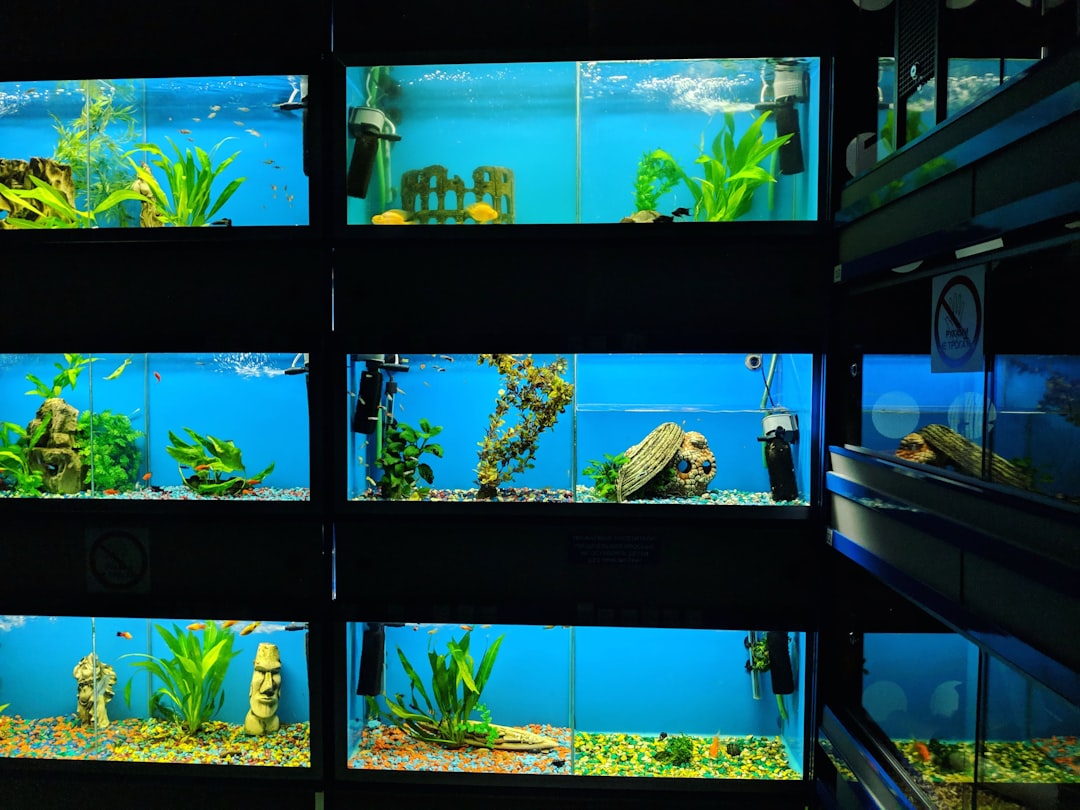
A beautiful aquascape deserves a tidy cabinet, but the reality of running filters, heaters, lights and CO2 systems means cables multiply quickly. This aquarium cable management guide covers practical solutions to organise your wiring, prevent water damage and maintain a clean look around your tank. At Gensou Aquascaping at 5 Everton Park, we believe the area behind and beneath the tank should be as well planned as the layout inside it.
Why Cable Management Matters for Aquariums
Messy cables are not just an aesthetic problem. Tangled wires behind an aquarium can trap moisture, create tripping hazards and make equipment maintenance far more difficult than it needs to be. In the worst case, water running down a power cable can reach an electrical socket and cause a short circuit or fire. Singapore’s high humidity compounds these risks, as condensation can form on cables even without direct water contact. Proper cable management is a matter of safety as much as tidiness.
Drip Loops Are Non-Negotiable
Every cable running from the aquarium to a power socket must have a drip loop. A drip loop is a section of cable that hangs below the level of the power socket, creating a low point where water droplets will fall off the cable rather than travelling along it into the plug. This simple measure is the single most important safety practice in aquarium electrical management. Ensure every heater cable, filter power cord and light lead has a visible drip loop before plugging in.
Cable Clips and Adhesive Mounts
Adhesive-backed cable clips are the foundation of aquarium cable management. Available in packs of 10 to 50 for under $5 SGD on Shopee and Lazada, these clips stick to the back of the tank stand or the wall behind the aquarium. Route cables vertically using clips spaced every 15 to 20 centimetres to prevent sagging. Use separate clip runs for power cables and data cables such as USB connections for smart controllers to avoid electrical interference.
Cable Sleeves and Spiral Wraps
When multiple cables run along the same path, a cable sleeve bundles them into a single neat tube. Neoprene sleeves with hook-and-loop closures are easy to open when you need to add or remove a cable. Spiral wraps offer the same bundling effect but allow cables to exit at any point along the length, which is useful when devices are positioned at different heights behind the tank. Both options cost between $3 and $10 SGD for a one-metre length and transform a chaotic cable run into a clean line.
Power Strip Placement
Position your power strip or multi-socket extension above the waterline of the tank, ideally mounted to the wall or the inside of the cabinet above the sump level. Never place a power strip on the floor beneath the aquarium, where it can be splashed during water changes or flooded by a leak. A surge-protected power strip is recommended for aquarium equipment, as power fluctuations in older Singapore HDB flats can damage sensitive electronics such as LED drivers and CO2 controllers. Budget $15 to $30 SGD for a quality surge-protected strip with enough sockets for your entire setup.
Labelling Your Cables
Once cables are neatly routed and bundled, label each one near the plug end. Small cable tags or coloured electrical tape work well. When a piece of equipment needs replacing or troubleshooting, you want to identify the correct cable instantly without unplugging everything. Label by function: filter, heater, main light, CO2 solenoid, air pump and so on. This simple step saves enormous frustration during maintenance, especially when working in the confined space of an aquarium cabinet.
Managing CO2 and Airline Tubing
Tubing requires different management from electrical cables. Use tubing clips or small cable ties to route airline and CO2 tubing neatly alongside power cables without kinking. Never bundle tubing tightly with power cables, as heat from transformers can soften silicone tubing over time. Keep CO2 tubing runs as short as possible to minimise gas loss through the tubing walls. A small hook or bracket at the back of the tank rim keeps tubing in place where it enters the water.
Putting It All Together
Start your cable management project by disconnecting everything and laying out all cables and tubing. Plan your routing before attaching any clips. Group cables by destination and secure them with clips or sleeves. Create drip loops, mount your power strip at a safe height and label every connection. The entire process takes an afternoon and costs under $30 SGD in materials. At Gensou Aquascaping, we can include professional cable management as part of any tank setup or maintenance service, giving you a system that is safe, accessible and visually clean.
Related Reading



