Best CO2 Drop Checkers for Planted Aquariums
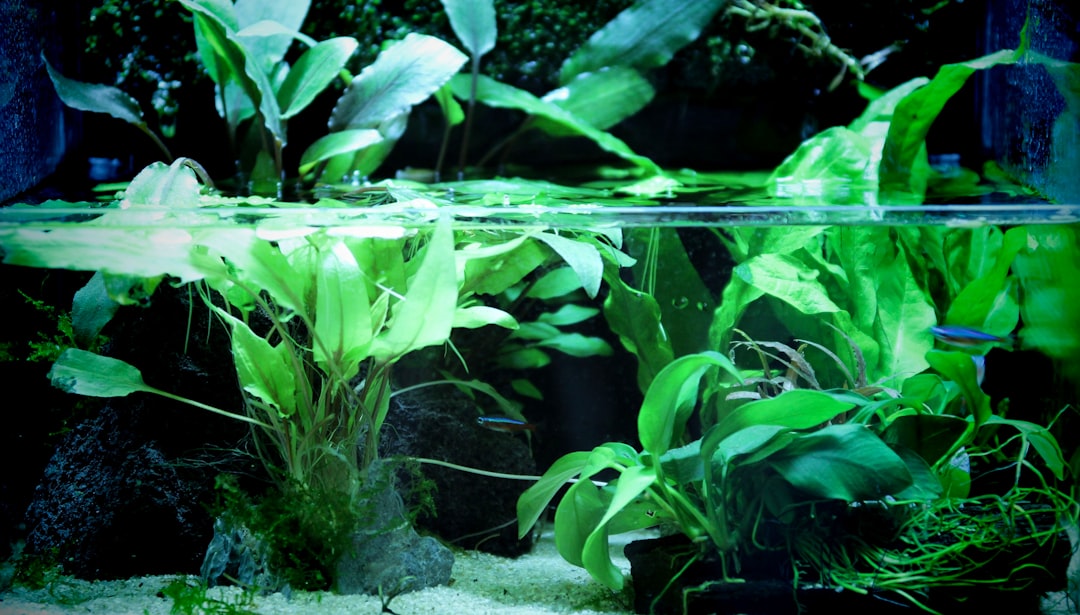
Injecting CO2 into a planted aquarium without monitoring the concentration is like running a drip fertiliser system without knowing your dosing rate — you are flying blind. The drop checker is the standard real-time tool for this: a glass or acrylic chamber that hangs inside the tank, filled with a pH-sensitive reagent that changes colour based on dissolved CO2 levels. This guide from Gensou Aquascaping at 5 Everton Park, Singapore covers how to choose the best CO2 drop checker for planted aquariums, what the colours mean, and where to place it for accurate readings.
How Drop Checkers Work
A drop checker works on a simple principle: CO2 dissolves into water to form carbonic acid, lowering pH. Inside the drop checker’s inverted chamber, an air gap separates the tank water from a small volume of 4 dKH reference solution mixed with bromothymol blue indicator dye. As CO2 diffuses across the air gap, it shifts the pH of the reference solution, which shifts the dye colour. Blue means CO2 is too low; green indicates the target range (approximately 25–30 mg/L); yellow means dangerously high CO2 that risks stressing fish.
Crucially, drop checkers lag reality by 1–2 hours. They show where CO2 was, not where it is right now — a limitation that matters when you are dialling in a new regulator or troubleshooting a spike.
Glass vs Acrylic Drop Checkers
Glass drop checkers are the preferred choice for serious planted tank keepers. Borosilicate glass does not discolour over time, does not impart flavour to the reagent, and is easy to clean thoroughly. Inline glass drop checkers with suction cup mounts look clean in aquascapes and are widely available in Singapore fish shops for $12–$35, with premium handblown versions from ADA running $60–$80. Acrylic versions cost less and are more resistant to accidental knocks, but some plasticisers leach into the reagent over months, causing false readings. If longevity matters, glass wins.
4 dKH Reference Solution: Pre-Mixed vs DIY
Pre-mixed 4 dKH reference solution with bromothymol blue is sold in small dropper bottles by most aquarium suppliers. Top up your drop checker with 5–8 drops of fresh solution every two weeks, or whenever the reagent starts looking murky. DIY alternatives using sodium bicarbonate to create a known hardness solution work fine chemically but require a precision scale and careful preparation — the margin for error matters because a miscalibrated reference solution will show green even when CO2 is dangerously high. For most hobbyists, the pre-mixed option at $5–$8 per bottle is the sensible choice.
Best Positions Inside the Tank
Placement affects accuracy significantly. Hang the drop checker in the lower third of the tank, away from CO2 diffuser output (which creates a locally elevated CO2 zone) and away from the filter return (which outgasses CO2 before it can equilibrate). Mid-tank, on the side or back glass, away from any high-flow areas, gives the most representative reading of what your plants and fish are actually experiencing. Avoid hanging it directly above a powerhead or circulation pump outlet.
In longer tanks over 90 cm, consider running two drop checkers — one at each end — to confirm CO2 distribution is even. Poor diffuser placement in larger tanks can create CO2-rich zones near the diffuser and CO2-poor zones at the far end.
Interpreting the Colour in Singapore Conditions
Singapore’s PUB tap water is soft (GH 2–4, KH 1–3) and slightly acidic. This low KH means tank pH can swing substantially with CO2 changes — a useful sensitivity for drop checker accuracy, but it also means CO2 can tip into dangerous territory faster than in harder water. Aim for a stable lime-green colour during the photoperiod. A blue-green checker at lights-on is acceptable; a yellow checker even briefly during the photoperiod warrants reducing CO2 input. Fish showing laboured breathing, hanging at the surface, or gasping are behavioural CO2 alarms more immediate than any drop checker colour.
Drop Checkers vs Digital pH Controllers
A digital pH controller with a probe — such as those from Milwaukee or Bluelab — provides continuous readings and can automatically shut off CO2 when pH drops below a set threshold. This removes the lag problem entirely and offers a safety net for dense planting systems where CO2 demand changes through the day. However, pH probes require regular calibration and replacement (typically every 6–12 months), adding ongoing cost and maintenance. Drop checkers require no calibration and nothing to replace except reagent solution. For most hobbyists running a single display tank, a quality glass drop checker paired with attentive observation is sufficient. Controllers earn their cost in heavily planted systems or CO2 systems left to run automatically.
Recommended Drop Checkers to Buy
For value, the standard inline glass drop checker with suction cup sold by most Singapore fish shops (often branded as ANS, Jardli, or similar) performs reliably at $15–$25. For a cleaner look inside an aquascape, the Aquario Neo CO2 Drop Checker integrates neatly with its inlet pipe design. At the premium end, ADA’s original drop checker is beautifully crafted and will last indefinitely if handled carefully. Whichever model you choose, fresh reagent solution is the variable that matters most — even the best drop checker gives misleading readings with stale or contaminated indicator dye.
Related Reading