
How to Count Fish in Your Aquarium Accurately
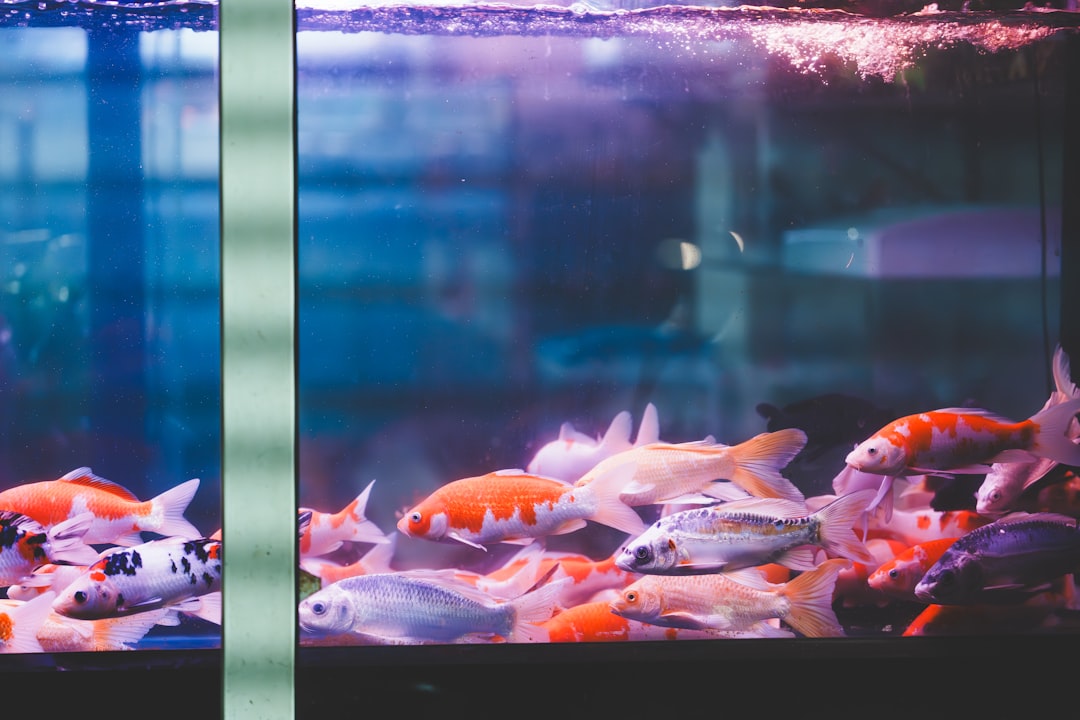
It sounds simple until you try it. Schooling tetras dart behind driftwood, bottom dwellers vanish under rocks, and shrimp seem to multiply or disappear depending on the hour. Knowing how to count fish in your aquarium accurately matters for stocking decisions, disease monitoring, and ensuring no one has quietly perished behind the hardscape. This practical guide from Gensou Aquascaping at 5 Everton Park, Singapore, shares methods that actually work.
Why Accurate Counts Matter
Overstocking is one of the most common causes of poor water quality, and it creeps up gradually when hobbyists lose track of their numbers. A dead fish decomposing unseen behind a rock can spike ammonia before you notice the body. Regular head counts also help you spot aggression patterns early: if a fish is consistently missing during counts, it may be hiding from a bully. For breeders, tracking fry survival rates depends entirely on reliable counting.
The Feeding Count Method
Most fish emerge and become visible during feeding, making it the easiest time to count. Drop food at a single point and wait 30-60 seconds for the school to gather. Count methodically from one side of the group to the other rather than trying to take in the whole school at once. For species that feed at different levels, offer surface flakes first, then sinking pellets, counting each group separately. This two-stage approach is especially effective in planted tanks where mid-water species and bottom dwellers rarely occupy the same space.
Photograph and Review
Fast-moving species like danios and rasboras defeat manual counting through sheer speed. Take a burst of 5-10 photos during feeding, then review them on your phone screen at leisure. Zooming in on a still image lets you mark and count individuals without the fish moving between tallies. Modern smartphone cameras capture enough detail in well-lit tanks to distinguish individual fish. This method works particularly well for verifying counts of small species in heavily planted aquascapes where visibility is limited.
Sectional Counting for Large Tanks
In tanks above 200 litres, counting the entire population at once is impractical. Divide the tank visually into thirds, left to right, and count each section during successive feedings. Overlaps occur when fish move between sections, so subtract 10-15 % from your raw total to estimate more accurately. Alternatively, count only the left third on Monday, the centre on Wednesday, and the right on Friday, then combine the totals. This staggered approach suits community tanks with 30 or more fish.
Night Counting for Nocturnal Species
Plecos, kuhli loaches, and many catfish hide all day and emerge only after lights out. A brief flash of a dim red torch 30-60 minutes after the tank lights switch off reveals these nocturnal residents without startling them as harshly as white light. Red wavelengths are less visible to most freshwater fish, so they continue natural behaviour while you count. In Singapore, small red LED torches are available at hardware shops and Shopee for under $5.
Marking and Identifying Individuals
When fish look nearly identical, distinguishing individuals seems impossible. However, close observation reveals subtle differences: a slightly crooked stripe, a nipped fin, a darker patch near the gill plate. Photographing and naming key individuals helps track them over time. For species like discus or angelfish, each fish’s pattern is unique enough to serve as a natural fingerprint. Keeping a simple log of identifying features alongside your fish count turns casual observation into useful data.
Using Tank Dividers for Precise Counts
When absolute accuracy matters, such as before selling or rehoming fish, a temporary clear acrylic divider can section the tank. Herd fish into one half using a net or by placing food there, insert the divider, and count the confined group carefully. This method stresses fish briefly but delivers a definitive number. Reserve it for situations where an estimate is not sufficient, like quarantine planning or medical dosing based on exact bioload.
Building a Counting Habit
The easiest approach is to count every time you feed. It takes less than a minute once you know your stock, and any discrepancy jumps out immediately. Keep a mental or written tally: 12 neon tetras, 6 corydoras, 2 otocinclus, 1 betta. When a number drops, investigate promptly. A consistent counting habit paired with good observation catches problems early, whether it is disease, aggression, or escape. For stocking advice tailored to your tank size and Singapore’s water conditions, Gensou Aquascaping is always available to help with your aquarium planning.
Related Reading



