
Best Flow Controller Valves for Aquarium Tubing
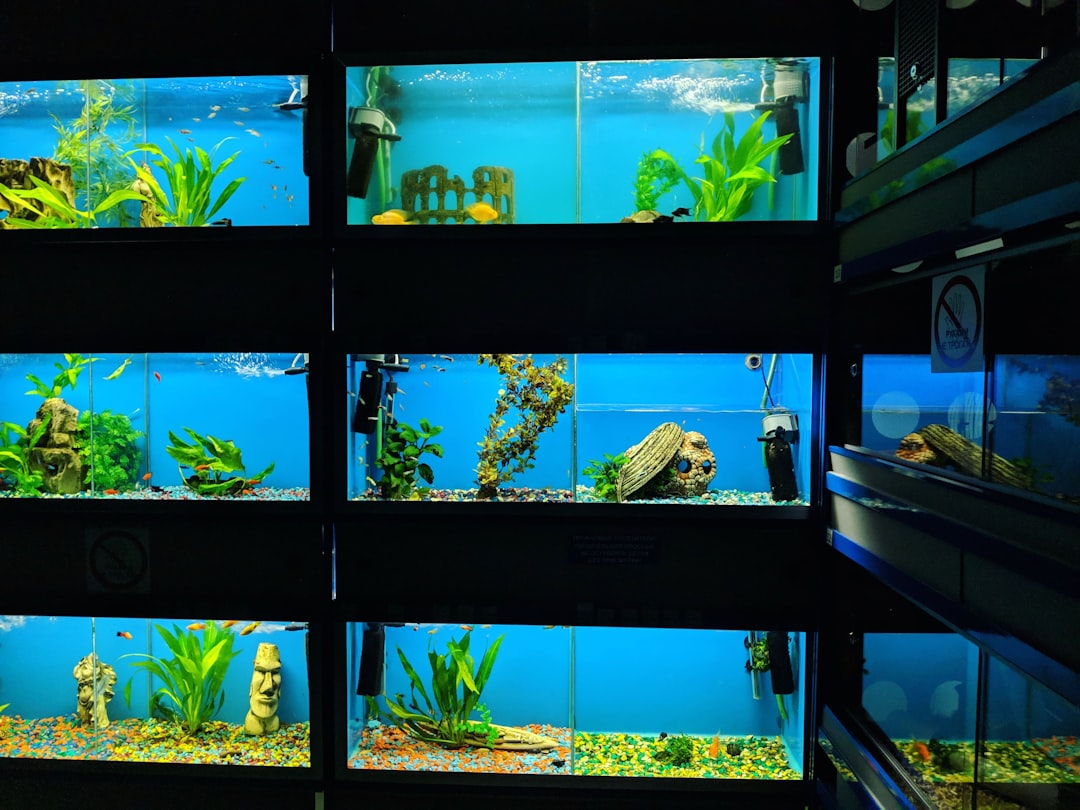
Precise control over water and gas flow is essential in a well-tuned aquarium system, yet flow regulation is often overlooked by hobbyists. Whether you are fine-tuning CO2 delivery, adjusting filter output or managing drip acclimation, the best flow controller valve aquarium setups rely on makes a real difference to stability and convenience. At Gensou Aquascaping at 5 Everton Park, we use quality valves across all our systems, and this guide helps you choose the right ones for your needs.
Why Flow Control Matters
Aquarium systems involve multiple flows: filter return, CO2 gas line, airline tubing, dosing pumps and sometimes water change systems. Each of these benefits from precise adjustment. Too much filter flow can uproot delicate plants and stress slow-swimming fish. Too little CO2 flow leads to deficient plant growth, while too much drops the pH dangerously. An air pump without a regulator may drive a sponge filter too aggressively. Flow controller valves give you the ability to dial in the exact rate needed for each application, and quality valves hold their setting reliably over time.
Types of Flow Controller Valves
There are several valve types commonly used in the aquarium hobby. Ball valves offer a quarter-turn open or closed action and are best for on-off control rather than fine adjustment. Gate valves use a screw mechanism for more gradual control but are bulky. Needle valves provide the finest adjustment, allowing precise metering of gas or liquid through a tapered needle and seat. Gang valves split a single airline into multiple outputs with individual controls. For most aquarium applications, needle valves and gang valves cover the majority of needs.
Best Valves for CO2 Systems
CO2 regulation demands the highest precision. The needle valve is non-negotiable here. Cheap brass needle valves included with budget CO2 regulators are often coarse and prone to drift, meaning your carefully set bubble rate changes over time. Upgrading to a precision needle valve from brands like Fabco, Ideal or Swagelok transforms the reliability of your CO2 system. These industrial-grade valves cost SGD 25 to 60 but offer ultra-fine adjustment and consistent settings. The Fabco NV-55 is a popular choice among planted tank hobbyists in Singapore. CO2Art also produces purpose-built aquarium needle valves that strike a good balance between precision and affordability at around SGD 20 to 35.
Best Valves for Air Pump Lines
Air pumps typically output more air than a single sponge filter requires. A gang valve, which splits one airline into two, three or four outlets with individual lever controls, solves this neatly. Stainless steel gang valves from brands like JW Pet or Taam are durable and resist corrosion. Plastic gang valves are cheaper but tend to crack after a year or two, especially in Singapore’s humid climate. For a single-line setup, a simple inline air flow control valve suffices. These plastic twist valves cost just a few dollars and are available at any local fish shop. Position the valve between the air pump and the sponge filter, and adjust until the bubble rate is gentle and consistent.
Best Valves for Filter Flow Adjustment
Many canister filters and hang-on-back filters include built-in flow adjustment mechanisms, but these are not always precise or reliable. External ball valves fitted to the outflow hose provide a more robust solution. Look for true-union ball valves in PVC or polypropylene that match your tubing diameter, typically 12/16 mm or 16/22 mm for aquarium use. These valves allow you to throttle the return flow without affecting the filter’s intake, which is important because restricting intake can cause cavitation and damage the impeller. Position the valve on the return line, close to the tank, for easy access.
Valves for Drip Acclimation and Water Changes
Drip acclimation is the safest method for introducing new fish and shrimp to your tank, and it requires a valve to control the drip rate from the display tank into the acclimation container. A simple airline control valve works perfectly for this purpose. For automated water change systems, solenoid valves controlled by a timer or float switch offer hands-free operation. A quarter-inch solenoid valve rated for low-pressure fresh water is suitable for most setups. These can be sourced from hardware suppliers or online for SGD 10 to 25.
Material and Durability Considerations
Aquarium valves must resist corrosion from constant water and moisture exposure. Stainless steel and brass with chrome plating perform well, though bare brass can corrode over time in saltwater environments. Plastic and nylon valves are corrosion-proof but may not hold up to repeated adjustment as well as metal alternatives. For CO2 needle valves, brass with a stainless steel needle is the standard. For airline and water valves, quality plastic or stainless steel are both suitable. Whichever material you choose, inspect valves periodically for leaks, stiffness or degradation, and replace them proactively rather than waiting for a failure.
Final Recommendations
Invest in quality valves where precision matters most, particularly for CO2 regulation, and use affordable options where simple on-off or coarse adjustment is sufficient. A precision needle valve for your CO2 system, a stainless steel gang valve for your air pump and a ball valve for your filter return will cover most planted aquarium needs for under SGD 80 total. Visit Gensou Aquascaping at 5 Everton Park to see our valve selections and get advice on integrating flow control into your aquarium system.
Related Reading



