Best Aquarium Glass Cleaners Compared: Magnetic, Blade and Scraper
Algae on aquarium glass is inevitable. Even perfectly balanced tanks develop a film that dulls the view within days. The right glass cleaner makes maintenance fast and satisfying, while the wrong one scratches your glass, traps sand against the panel or simply fails to remove stubborn green spot algae. This best aquarium glass cleaner comparison from Gensou Aquascaping at 5 Everton Park, Singapore tests the main categories of cleaners to help you choose the tool that matches your tank and algae type.
Types of Aquarium Glass Cleaners
Three main categories dominate the market. Magnetic cleaners use an internal magnet inside the tank paired with an external handle, letting you clean without getting your hands wet. Blade scrapers attach a razor blade or stainless steel blade to a long handle for manual scraping. Handheld scraper pads use abrasive surfaces for gentle wiping. Each type has strengths and weaknesses depending on your glass thickness, algae type and personal preference.
Magnetic Cleaners
The Flipper range is the benchmark for magnetic cleaners. The Flipper Standard suits glass up to 12 mm thick, which covers most tanks up to 300 litres. The Flipper Max handles 15 to 19 mm glass found on large display tanks. What sets the Flipper apart is its dual surface: one side has a scrubbing pad for soft algae, and flipping it over exposes a blade for stubborn green spot algae. Prices range from $35 for the Nano to $70 for the Max. Budget alternatives from brands like Mag-Float cost $15 to $25 but lack the blade function and tend to have weaker magnets that slip on thicker glass.
A critical warning: always check for trapped sand between the magnet and glass before dragging the cleaner across the panel. A single grain of sand will leave a visible scratch that cannot be removed. Lift and replace the internal magnet if you suspect debris is caught.
Blade Scrapers
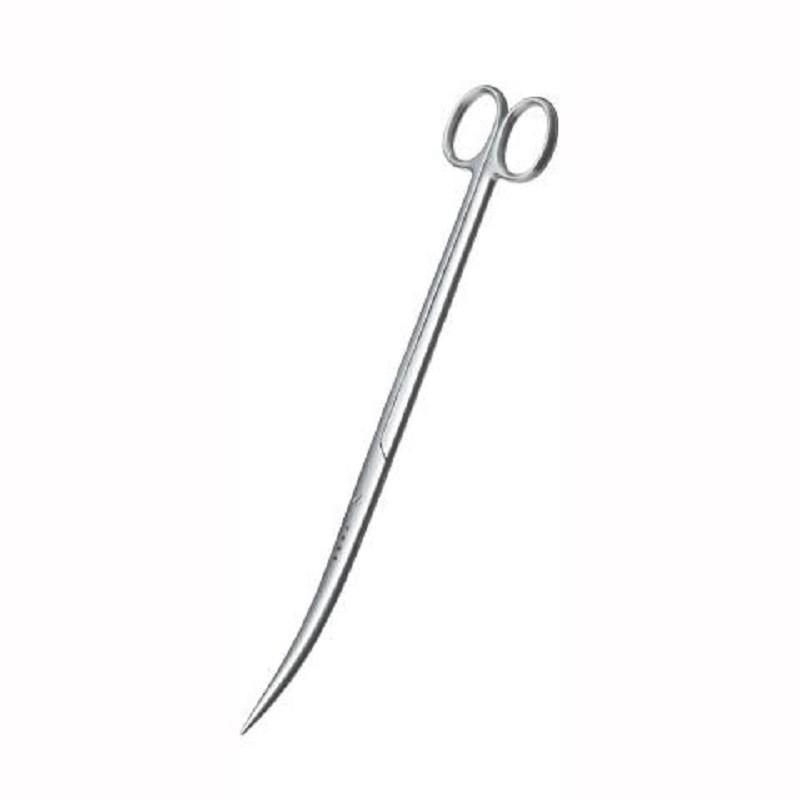
A simple razor blade on a long handle remains one of the most effective tools for green spot algae and coralline algae. The ADA Pro Razor is a beautifully designed option at around $60, but generic stainless steel blade holders from Shopee at $8 to $12 do the same job. Use standard utility razor blades, which cost cents each, and replace them when they dull. Blade scrapers work on glass tanks only. Using a metal blade on acrylic will cause deep, permanent scratches. Keep the blade flat against the glass at a 30 to 45-degree angle for clean, scratchless results.
Scrubbing Pads and Sponges
For light algae films and regular maintenance between deep cleans, a simple algae pad does the job. White non-scratch pads suit acrylic and glass alike, while green pads are more abrasive and should only be used on glass. Avoid kitchen scouring pads, as many contain chemicals or metal fibres that are toxic to aquarium inhabitants. Dedicated aquarium pads from brands like Seachem and API cost $3 to $5 and last months with regular rinsing. These are ideal for weekly maintenance to prevent algae from building up to the point where you need a blade.
Acrylic Tank Considerations
Acrylic tanks scratch far more easily than glass. Only use cleaners specifically rated for acrylic: soft foam magnetic cleaners, microfibre cloths or plastic blade scrapers. Never use metal blades or abrasive pads on acrylic. The Flipper Nano has an acrylic-safe option, and Mag-Float produces acrylic-specific models with softer pad materials. If your acrylic tank already has fine scratches, a dedicated acrylic polish and buffing pad can restore clarity, though prevention is always better than correction.
Cleaning Technique and Frequency
Clean the front glass every three to five days to prevent algae from hardening into stubborn spots. Side and back panels can be left longer or even allowed to develop a natural algae coating that some fish graze on. Start from the top and work downward in overlapping strokes. Rinse your cleaner frequently during use to dislodge trapped algae and debris. For tanks with sand substrate, stop your magnetic cleaner at least 2 cm above the sand line to avoid dragging particles across the glass.
Our Top Picks
For glass tanks under 200 litres, the Flipper Standard is the single best investment at around $45 from local shops or Shopee. It handles both soft and hard algae without switching tools. For large display tanks, pair a Flipper Max with a long-handled blade scraper for green spot algae in corners the magnet cannot reach. Budget-conscious hobbyists can get by perfectly well with a $10 blade holder and a $4 algae pad. Whatever tool you choose, consistency is key. Five minutes of cleaning every few days keeps your glass crystal clear with minimal effort.
Related Reading