Best Powerheads for Aquarium Flow and Circulation
Proper water circulation is one of the most underrated factors in aquarium health, yet it affects everything from nutrient distribution to algae prevention. A well-chosen powerhead transforms stagnant dead zones into a dynamic, well-oxygenated environment where fish thrive and plants flourish. This best powerhead aquarium guide covers everything you need to know about selecting, positioning and maintaining a powerhead for your setup. At Gensou Aquascaping at 5 Everton Park, we fine-tune flow in every aquascape we create for clients across Singapore.
Why Flow and Circulation Matter
In nature, fish live in rivers, streams and lakes with constant water movement. This flow delivers oxygen, carries away waste, distributes nutrients and prevents the buildup of harmful pockets of stagnant water. Replicating this movement in an aquarium is essential for a healthy ecosystem.
Poor circulation leads to dead spots where debris accumulates, anaerobic bacteria develop and algae thrives. Fish in low-flow areas may exhibit stress, reduced appetite and increased susceptibility to disease. Plants deprived of flowing water receive fewer nutrients at the leaf surface, resulting in slower growth and vulnerability to algae attachment.
In Singapore’s warm aquariums, where dissolved oxygen is naturally lower, good circulation becomes even more critical for maintaining adequate oxygenation throughout the water column.
Types of Powerheads
Submersible powerheads: The most common type, these sit inside the tank and create a directional flow. They are versatile, affordable and available in a wide range of flow rates. Most attach to the glass via suction cups or magnetic mounts.
Wavemakers: These specialised powerheads create alternating, pulsing flow patterns that mimic natural wave action. They are particularly popular in planted tanks and reef aquariums. Many models feature controllers that allow you to programme wave patterns, intervals and flow intensity.
DC-powered powerheads: These use direct current motors with electronic controllers that offer precise speed adjustment. They are quieter and more energy-efficient than traditional AC models, though they cost more upfront. The ability to dial in the exact flow rate makes them ideal for planted aquascapes where too much current can damage delicate stems.
Choosing the Right Flow Rate
Flow rate is measured in litres per hour (LPH). A general guideline is to aim for a combined turnover of 8 to 12 times the tank volume per hour across all circulation sources — filter and powerhead combined.
For a 150-litre tank with a canister filter rated at 600 LPH, you already have four times turnover from the filter alone. Adding a powerhead rated at 800 to 1,200 LPH brings the total to the ideal range.
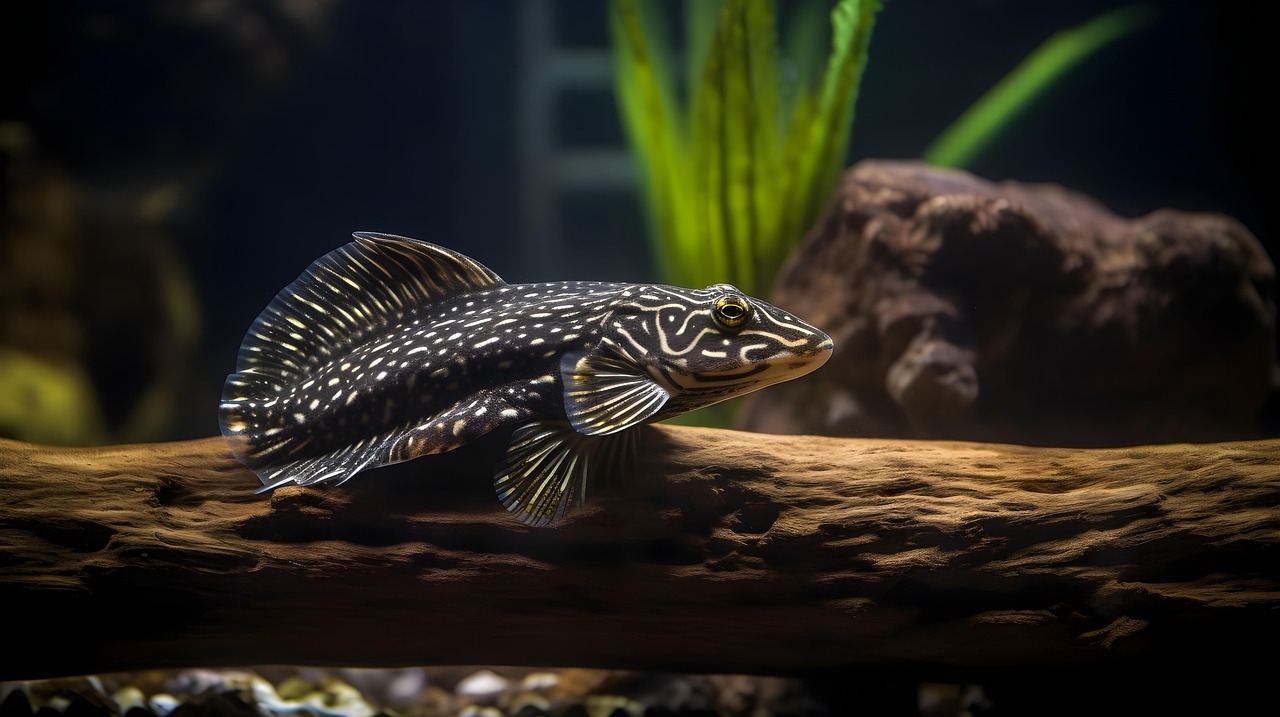
However, these numbers are guidelines, not rules. Planted tanks with delicate stems and slow-growing species may prefer gentler flow, while tanks housing river-dwelling fish like hillstream loaches benefit from stronger circulation. Observe your fish and plants — if stems are bending excessively or fish are struggling to swim, reduce the flow.
Positioning for Maximum Effectiveness
Placement is just as important as flow rate. The goal is to create a circular or figure-eight flow pattern that reaches every area of the tank without creating excessively turbulent zones.
Position the powerhead on the opposite side of the tank from the filter outflow, angled slightly towards the front glass and downward. This creates a broad circulation pattern that sweeps across the tank, pushes debris towards the filter intake and prevents dead spots in corners.
Avoid pointing the powerhead directly at delicate plants, resting spots for fish or the substrate surface, which can scatter sand and uproot plants. Experiment with angles and heights until you find a configuration that provides even flow without disruption.
Top Powerhead Recommendations
For small tanks (up to 80 litres): Compact DC powerheads with adjustable flow are ideal. Look for models rated at 500 to 1,000 LPH with magnetic mounts that sit flush against the glass. Their small size minimises visual impact in nano and desktop aquariums.
For medium tanks (80 to 200 litres): A mid-range powerhead rated at 1,000 to 2,500 LPH provides sufficient circulation. Wavemaker models in this range offer programmable flow patterns that benefit planted tanks and community setups alike.
For large tanks (200 litres and above): Higher-capacity powerheads rated at 3,000 to 6,000 LPH are necessary to move the larger water volume effectively. Consider using two smaller powerheads on opposite sides rather than one large unit — this creates more even circulation and provides redundancy if one unit fails.
Noise and Energy Considerations
Noise is a significant factor, especially for tanks in bedrooms, offices and living rooms. DC-powered powerheads are consistently quieter than AC models, thanks to their brushless motors and electronic speed control. If silence is a priority, invest in a quality DC unit.
Energy consumption varies widely. A small powerhead may draw just 3 to 5 watts, while a large wavemaker can consume 15 to 25 watts. In Singapore, where electricity costs are not trivial, choosing an energy-efficient model saves money over the long term. DC powerheads typically consume 30 to 50 per cent less power than equivalent AC models at the same flow rate.
Maintenance and Longevity
Powerheads require regular cleaning to maintain performance. Algae, biofilm and calcium deposits accumulate on the impeller and intake grill, reducing flow and increasing noise. Disassemble and clean the unit every four to six weeks.
Soak the impeller and housing in white vinegar for an hour to dissolve mineral deposits, then scrub with a small brush. Rinse thoroughly before reassembling. Inspect the impeller shaft for wear — a worn shaft causes wobble and noise. Replacement impellers are inexpensive and extend the life of the unit significantly.
Suction cups lose grip over time, especially in Singapore’s warm water. Replace them when they no longer hold securely to prevent the powerhead from falling and potentially damaging the tank or its inhabitants.
Integrating a Powerhead Into Your Aquascape
For aquascapers who value clean aesthetics, concealing the powerhead behind hardscape or dense plantings keeps it out of sight. Magnetic mounts allow quick repositioning during maintenance and photography.
Some hobbyists connect their powerhead to a timer or smart plug, running it on intervals — for example, 30 minutes on and 30 minutes off — to simulate natural tidal or river flow patterns. This approach can benefit certain fish species and reduce energy consumption.
For expert advice on flow design and powerhead selection tailored to your specific aquarium, visit Gensou Aquascaping at 5 Everton Park. We test and recommend equipment that delivers results in real-world conditions across Singapore.
Related Reading