
Best Sump Baffle Kits for Aquarium Filtration Chambers
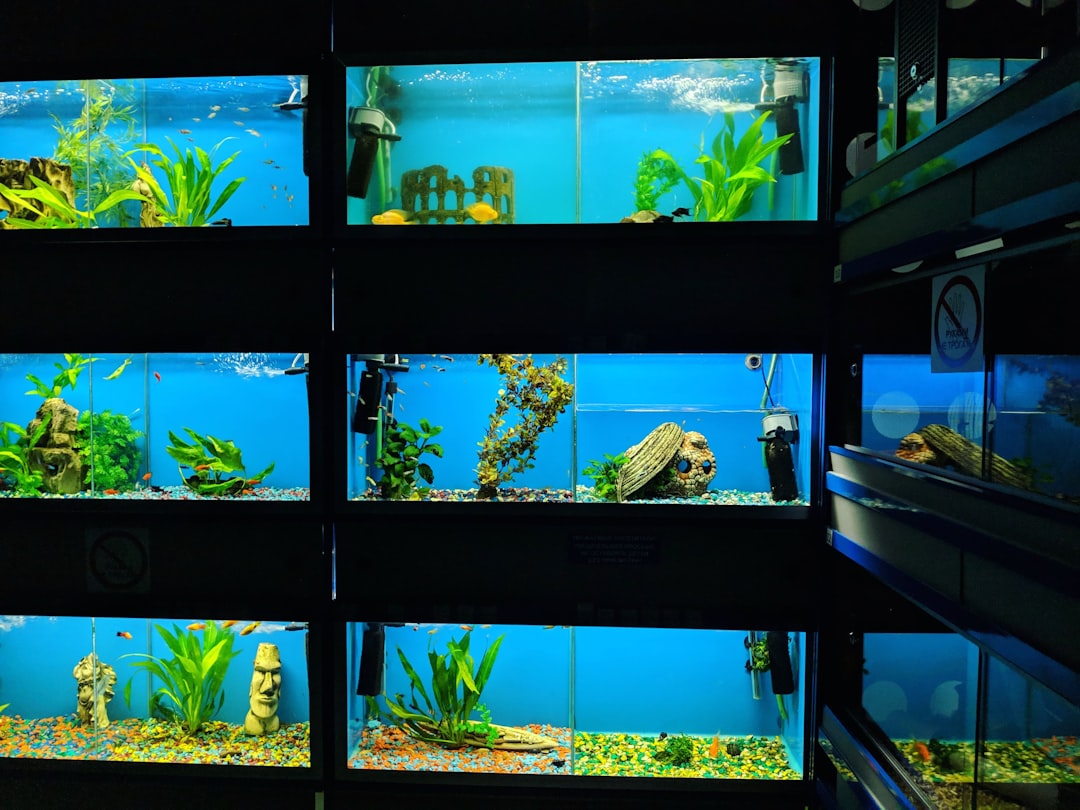
A sump without baffles is just a box of water. Baffles divide the sump into purpose-built chambers for mechanical filtration, biological media, a refugium or a return section, and getting the layout right transforms filtration efficiency. If you are searching for the best sump baffle kit for your aquarium, the choices range from ready-made acrylic panels to fully custom glass cuts. At Gensou Aquascaping in Singapore, we have built and retrofitted sumps for tanks from 60 cm nanos to 180 cm show pieces over more than 20 years, and baffle placement is one of the details that separates a noisy, inefficient sump from a silent workhorse.
What Baffles Actually Do
Each baffle forces water to change direction, either over or under the panel. This slows flow, removes micro-bubbles and ensures water contacts every section of media before reaching the return pump. Without baffles, water takes the shortest path, leaving expensive bio-media sitting in near-stagnant zones.
Bubble trapping is equally important. Micro-bubbles from the overflow drain look unsightly when the return pump sends them back into the display. A classic three-baffle bubble trap, with an over-under-over sequence, eliminates most of them.
Pre-Made Baffle Kits vs DIY
Pre-made kits from brands like Trigger Systems and Fiji Cube ship as precision-cut acrylic panels with silicone-friendly edges and sometimes built-in filter sock holders. They suit standard sump dimensions and save hours of measuring and cutting. Expect to pay $50-$120 for a kit sized for a 60-90 cm sump on Shopee or Lazada.
DIY baffles cut from 5 mm acrylic or 5 mm glass offer total customisation. Local acrylic shops in Aljunied or Tai Seng can cut panels to your exact millimetre specifications for under $30. Glass baffles siliconed in place are sturdier but permanent. Acrylic panels held with aquarium-safe silicone can be removed later if you redesign the sump.
Ideal Chamber Layout
For a three-chamber sump, dedicate the first section to mechanical filtration with a filter sock or sponge pad. The second chamber holds biological media such as ceramic rings, MarinePure blocks or lava rock. The third is the return section housing the pump. Keep the return chamber large enough to absorb back-drain volume when the pump stops, preventing overflow.
Adding a small refugium section between the bio chamber and the return is popular among planted-tank hobbyists. Grow Ceratophyllum demersum or pothos roots here for natural nitrate export. In Singapore’s warm climate, algae in the refugium grows fast, so trim weekly to prevent clogging.
Baffle Height and Gap Sizing
The first baffle should sit about 2-3 cm below the maximum water line and force water over the top. The second baffle should reach the full sump height but leave a 3-4 cm gap at the bottom for water to pass under. This over-under pattern creates the directional changes that trap bubbles and slow flow. Make the gap under the baffle at least 3 cm wide to prevent debris accumulation and flow restriction.
Material Choices and Bonding
Acrylic is lighter, easier to cut at home and bonds well with Weld-On 4 or aquarium-safe silicone. Glass is cheaper per panel but needs a glass cutter and more careful handling. Both work perfectly in freshwater sumps. For saltwater, acrylic resists salt creep better and is easier to clean.
When siliconing baffles, cure for a full 48 hours before adding water. Use 100% pure silicone with no anti-mould additives. In Singapore’s humidity, silicone cures slightly faster, but give it the full time regardless. A bead of silicone on both sides of the panel ensures a watertight seal.
Common Mistakes to Avoid
Placing baffles too close together restricts flow and creates dead spots. Leave at least 8-10 cm between baffles for easy cleaning access. Making all chambers equal in size is another frequent error. The return chamber should be the largest because it acts as your emergency water reserve. Undersizing it means water overflows the sump during a power cut.
Forgetting to account for evaporation is a subtle problem. Singapore’s warm air accelerates surface evaporation, and the return chamber water level drops first. An auto top-off sensor placed here keeps the level stable and your return pump from running dry.
Recommended Kits Worth Considering
The Trigger Systems Tideline baffle kit fits standard 60 cm sumps and includes a removable filter sock holder, three precision-cut baffles and all necessary hardware. For larger setups, the Fiji Cube baffle set offers modular panels that accommodate sumps up to 120 cm. Both are available from local marine equipment retailers and online marketplaces. A quality sump baffle kit paired with a well-matched overflow weir gives you a filtration system that runs quietly and efficiently for years.
Related Reading



