Best Heater Guards for Aquarium Safety
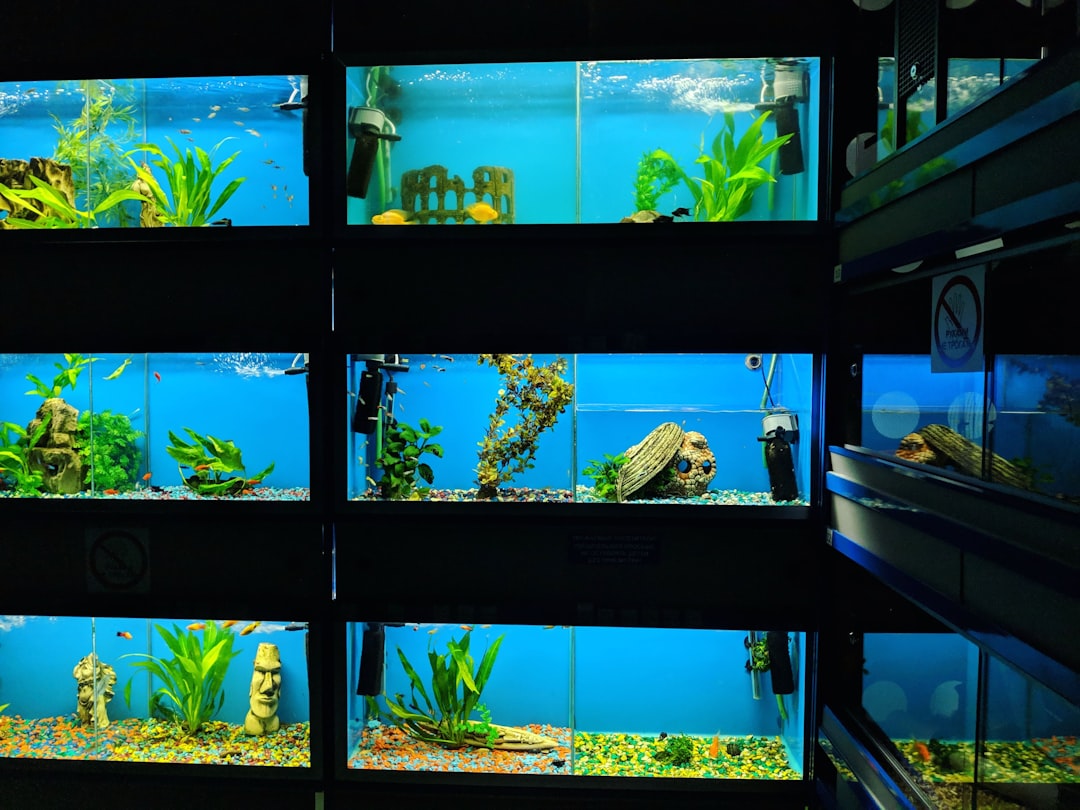
A cracked or exposed aquarium heater can injure fish, melt plastic, or worse — cause an electrical hazard in your living room. Choosing the best heater guard for aquarium safety is one of the simplest upgrades you can make, yet many hobbyists overlook it until something goes wrong. At Gensou Aquascaping in Singapore, with over 20 years of hands-on experience, we have seen burn marks on large cichlids, shattered glass heaters knocked loose by plecs, and melted suction cups that could have been avoided with a $10 guard.
Why Heater Guards Matter More Than You Think
Glass heaters reach surface temperatures above 40°C during their heating cycle. Fish that rest against the glass — common behaviour for plecos, loaches, and large catfish — risk thermal burns that ulcerate and invite secondary infection. Heater guards create a physical barrier, typically 1-2 cm of clearance, that allows water to circulate while keeping livestock safe.
Beyond fish protection, a guard also shields the heater from impact. Spooked arowanas and large cichlids can slam into equipment hard enough to crack the glass tube, releasing the heating element into the water. In Singapore’s HDB flats, where a 120 cm tank might sit in the living room next to the sofa, this is not a risk worth taking.
Stainless Steel Cage Guards
The most common type is a stainless steel cage that clips or screws around the heater. Look for 304-grade stainless steel — lower grades corrode in freshwater within months. Most cages fit heaters between 20-30 cm in length, so measure yours before ordering. Prices on Shopee and Lazada typically range from $6 to $18 depending on size and brand.
One drawback: steel cages can trap debris. Rinse them during water changes to prevent mulm from restricting flow around the heater element.
Plastic Mesh Guards
Plastic guards made from heat-resistant ABS or polycarbonate suit smaller nano tanks where a bulky steel cage looks out of place. They are lighter, cheaper (often under $5), and easy to trim with scissors for a custom fit. However, check the rated temperature — cheap unbranded guards can warp if pressed directly against a heater running at 32°C for extended periods.
DIY PVC Pipe Guards
Some hobbyists fashion guards from PVC pipe with drilled holes. A 50 mm diameter pipe from any local hardware store costs about $2 per metre. Drill 5-6 mm holes every 2 cm for water circulation, cap one end, and secure it with cable ties. It works, but the aesthetics leave something to be desired in a display tank. For sump compartments or quarantine setups, though, this is a perfectly practical solution.
Sizing and Fit Considerations
Your guard must allow at least 1 cm of clearance on all sides of the heater. Too tight, and heat cannot dissipate properly — the heater’s thermostat reads its own radiated warmth rather than tank water, leading to under-heating. Too loose, and small fish or shrimp slip inside, defeating the purpose entirely.
For inline or external heaters, guards are unnecessary since the element never contacts the aquarium directly. If you use an external system, your budget is better spent on a controller with automatic shut-off.
Installation Tips for Singapore Setups
Position the guarded heater near a return outlet so that heated water disperses quickly. In our tropical climate, heaters run less frequently — often only during air-conditioned nights when room temperature drops to 23-24°C — but when they do cycle on, even distribution prevents localised hot spots. Use suction cups rated for aquarium use, not generic ones, as humid Singapore conditions degrade cheap rubber fast.
Recommended Picks
For tanks 90 cm and above housing large fish, a 304 stainless cage from brands like ISTA or Qanvee offers reliable protection at around $12-$15. Nano tank keepers with 25-50W heaters should consider the Aquael heater with its integrated plastic guard — an all-in-one solution that eliminates compatibility guesswork. Budget-conscious fishkeepers running quarantine racks will find the DIY PVC route hard to beat on cost.
When to Replace Your Heater Guard
Inspect guards monthly during maintenance. Rust spots on steel guards mean the grade is too low or the guard has reached end of life — replace immediately, as rust particles irritate gills. Plastic guards showing white stress marks or warping should also be swapped out. A heater guard for aquarium safety only works if it remains structurally sound, so treat it as a consumable item rather than a lifetime purchase.
Related Reading