
Best UV Bulb Replacements for Aquarium Sterilisers
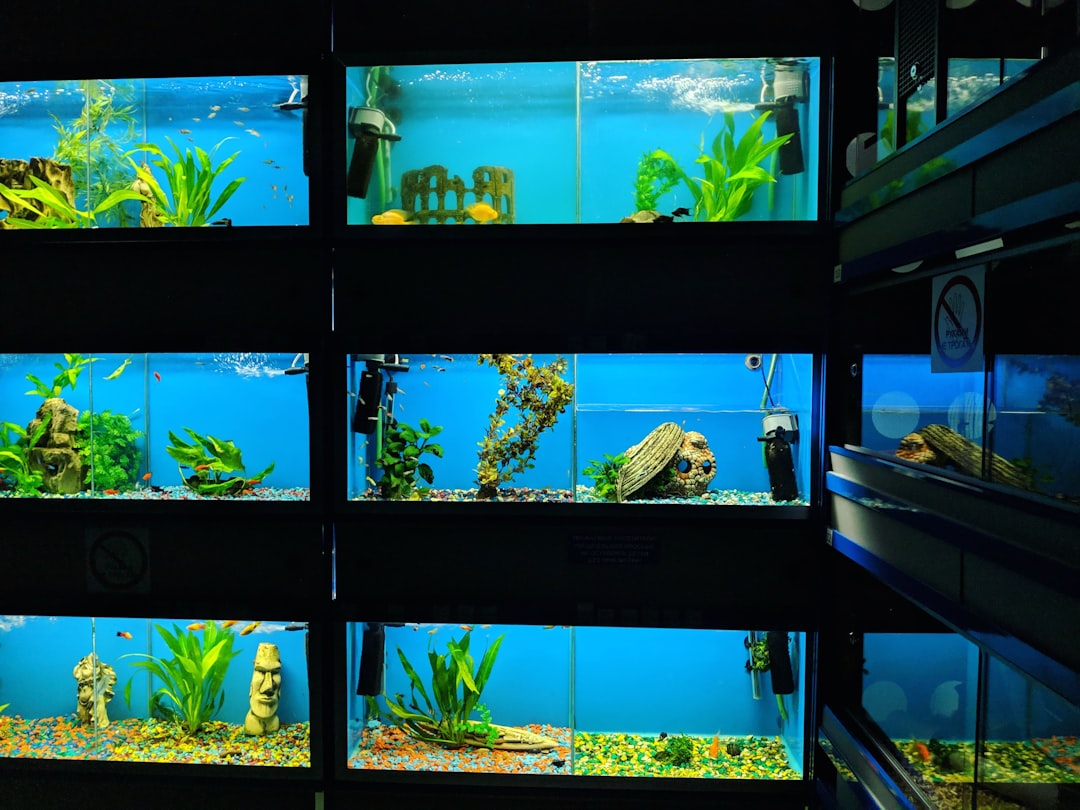
Your UV steriliser might look like it is working — the blue glow is still visible — but UV-C bulbs lose germicidal effectiveness long before they stop producing light. Replacing the bulb on schedule is essential for maintaining the parasite and algae control you invested in. Finding the best UV bulb replacement for your aquarium steriliser means matching wattage, fitting type and quartz sleeve compatibility. This guide from Gensou Aquascaping in Singapore covers everything you need to make the right choice.
Why UV Bulbs Need Regular Replacement
UV-C output at the germicidal wavelength of 253.7 nm degrades over time, even though the bulb still visibly glows. Most aquarium UV bulbs retain effective germicidal output for about 6,000-8,000 hours of continuous use — roughly 8-11 months if running 24/7. After that threshold, the bulb may still emit light at other wavelengths but fails to kill pathogens or green water algae reliably. Running an expired bulb wastes electricity and gives a false sense of security.
Matching Your Bulb Specifications
Before ordering a replacement, check three things on your existing bulb or steriliser manual: wattage (commonly 5W, 9W, 11W, 13W, 18W, 25W or 36W), pin configuration (2-pin or 4-pin), and bulb length. The most common aquarium UV sterilisers — JBL, Aqua Medic, TMC Vecton, ISTA and Atman — use standard G23 (2-pin) or 2G11 (4-pin) fittings. Using the wrong wattage or pin type can damage the ballast or simply not fit the housing.
Take a photo of your old bulb before disposing of it. This makes matching at the shop or online much easier.
Top Replacement Bulb Brands
Philips TUV PL-S series bulbs are the industry benchmark for reliability and consistent UV-C output. A Philips TUV 9W/2P (G23 fitting) costs $12-18 locally and is compatible with most 9W aquarium units. Osram Puritec HNS series offers comparable quality at a similar price point. Both are available on Shopee, Lazada and from electrical supply shops. Generic Chinese UV bulbs are significantly cheaper ($5-8) but independent tests show they often produce 30-50% less UV-C output from new, making them false economy for disease prevention.
Quartz Sleeve Maintenance
While replacing the bulb, always inspect and clean the quartz sleeve that surrounds it. Calcium deposits, biofilm and mineral scale reduce UV transmission dramatically — a dirty sleeve can cut effectiveness by 40% even with a brand-new bulb. Clean the sleeve with a soft cloth and white vinegar, then rinse with dechlorinated water. Cracked or cloudy sleeves should be replaced entirely; aftermarket quartz sleeves for popular models run $10-20.
Installation Tips
Handle the new bulb by its base, never the glass tube — oils from your fingers create hot spots that shorten bulb life. Ensure the steriliser is unplugged and drained before opening. Seat the bulb firmly into the socket until you hear or feel it click. Reassemble the unit, check the O-ring seals for cracks (replace if worn), and run water through for a minute before powering on the UV to prevent dry starts that stress the quartz sleeve.
In Singapore’s humid environment, moisture can creep into the ballast housing during bulb changes. Wipe the electrical contacts dry and ensure the end cap seals properly.
Choosing the Right Wattage for Your Tank
General guidance is 1-2 watts of UV-C per 40 litres for green water control, and 2-4 watts per 40 litres for parasite management. A 200-litre planted tank benefits from a 9-11W unit for algae control, while a 500-litre cichlid system may need 25-36W for effective pathogen reduction. Undersized sterilisers are the most common mistake — the flow rate and dwell time inside the chamber matter as much as raw wattage. Slow the flow for better kill rates.
How Often to Replace
Mark your calendar on the day you install a new UV bulb replacement. Set a reminder for 9 months if running continuously, or 12 months if you only run the steriliser part-time (e.g., during disease outbreaks or green water episodes). Some premium sterilisers like the TMC Vecton include a bulb-life indicator, but most do not. Keeping a simple log prevents the common trap of forgetting when the last change happened — by the time green water returns, you have already lost weeks of protection.
Disposal and Safety
UV bulbs contain small amounts of mercury and should not go into regular household waste. In Singapore, you can dispose of them at designated e-waste bins found at community centres and selected electronics shops. Never look directly at an exposed, operating UV-C bulb — the radiation causes painful eye damage (photokeratitis) within seconds. Always ensure the bulb is fully enclosed in its steriliser housing before powering on, and keep the unit unplugged during any maintenance.
Related Reading



