
Best Wave Makers for Nano Aquariums
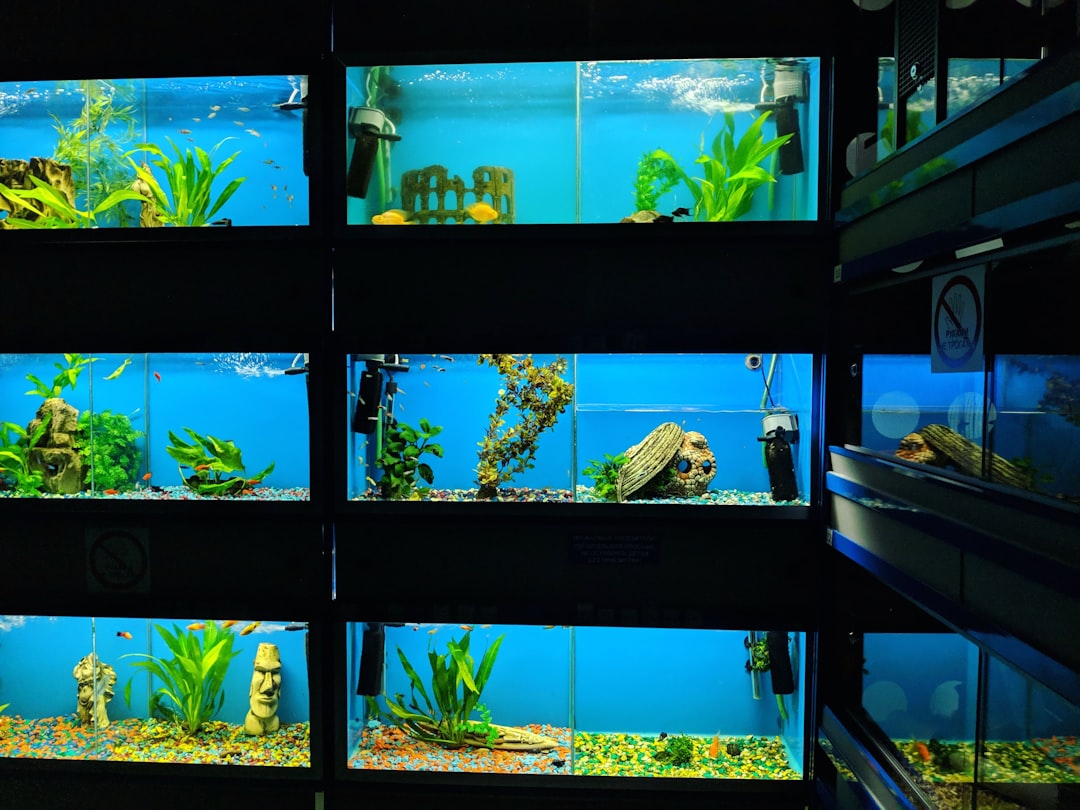
Choosing the best wave maker nano aquarium model ensures proper water circulation without overpowering your small tank’s inhabitants. At Gensou Aquascaping, based at 5 Everton Park in Singapore, we test and recommend wave makers that deliver gentle, effective flow for nano setups.
Why Nano Tanks Need Wave Makers
Water circulation is often overlooked in nano aquariums. While larger tanks generate adequate flow from canister or hang-on-back filters alone, nano tanks under 60 litres frequently develop dead zones where water stagnates. Stagnant water accumulates waste, depletes oxygen, and encourages algae and cyanobacteria growth. A wave maker creates broad, gentle water movement that reaches every corner of the tank. In planted nano tanks, improved circulation also distributes CO2 and nutrients more evenly, promoting healthier plant growth throughout the aquascape.
Key Features to Look For
For nano tanks, the most important feature is adjustable flow rate. A wave maker designed for a 200-litre tank will create a hurricane in a 30-litre nano. Look for models with flow rates starting at 500 to 1,500 litres per hour with variable speed control. Compact size matters in small tanks, as a bulky powerhead can dominate the aquascape visually. Magnetic mounting systems are preferable to suction cups, which tend to lose grip in Singapore’s warm, humid conditions. Quiet operation is essential, particularly for tanks on desks or in bedrooms. A noisy pump detracts from the tranquil atmosphere a nano aquarium should create.
Top Wave Maker Recommendations
The Hygger Mini Wave Maker is a popular entry-level choice among Singapore hobbyists. Priced at around $20 to $30 SGD, it offers adjustable flow and a compact magnetic mount suitable for glass up to 8 millimetres thick. The Jebao SOW series, particularly the SOW-2 and SOW-4 models, provides excellent flow control via a wireless controller and costs between $40 and $60 SGD. For premium builds, the Ecotech Vortech MP10 is the gold standard for nano reef and planted tanks, delivering unmatched flow patterns and programmability, though its price tag of $350 to $450 SGD reflects its quality.
The Sicce Voyager Nano is another strong contender, offering reliable Italian engineering in a compact form factor for around $40 to $55 SGD. Its adjustable venturi allows you to add subtle aeration if needed. The IceCap 1K Gyre is worth considering for rectangular nano tanks, as its elongated design creates a wide, sheet-like flow pattern that covers more area than traditional propeller-style wave makers.
Positioning Your Wave Maker
Placement is as important as the wave maker itself. In a planted nano tank, position the wave maker on the back wall, angled slightly downward towards the substrate. This creates a circular flow pattern that distributes nutrients while keeping the surface gently agitated for gas exchange. Avoid pointing the wave maker directly at delicate plants like mosses or Bucephalandra, as constant direct flow can damage their fronds. For shrimp tanks, mount the wave maker higher and use the lowest setting, as shrimp prefer calmer conditions near the substrate where they forage.
Wave Mode Versus Constant Flow
Many modern wave makers offer programmable wave modes that alternate between different flow intensities. This mimics natural water conditions and prevents fish and plants from being subjected to relentless unidirectional current. Pulse mode, where the pump cycles between high and low output, is particularly effective for planted tanks. It helps prevent algae from establishing on surfaces by creating unpredictable flow patterns. However, not all fish appreciate pulsing flow. Observe your fish after installation and switch to constant mode if they seem agitated or struggle to maintain position.
Noise and Vibration Concerns
In Singapore’s compact living spaces, equipment noise is a common complaint. Wave makers that vibrate against the glass or produce a high-pitched whine can be distracting, especially in bedrooms or study areas. Magnetic mounts generally produce less vibration than suction cup mounts. If your wave maker vibrates against the glass, place a thin rubber pad between the magnet and the glass. Run the wave maker at the shop before purchasing if possible, or check online reviews from Singapore-based hobbyists for real-world noise assessments.
Maintenance and Longevity
Wave makers require regular cleaning to maintain performance. Disassemble the pump head monthly and remove any algae, biofilm, or calcium deposits from the impeller and housing. Soak components in a diluted vinegar solution for 30 minutes to dissolve mineral build-up, then rinse thoroughly before reassembling. In Singapore’s warm water, biofilm accumulates faster than in cooler climates, so monthly cleaning is not optional. Replace the impeller every 12 to 18 months or sooner if you notice reduced flow or increased noise.
Making the Right Choice for Your Setup
Match the wave maker to your tank’s inhabitants and purpose. Betta tanks need minimal flow, so the gentlest setting on the smallest model is appropriate. Planted tanks benefit from moderate, broad circulation. Shrimp tanks require soft, diffused flow that does not disturb the substrate or stress the colony. If you are unsure which model suits your nano tank, visit Gensou Aquascaping at 5 Everton Park. We stock several nano-appropriate wave makers and can demonstrate them in our display tanks so you can see and hear the performance before you buy.
Related Reading



