Best Humane Marine Fish Traps: Catch Without the Chase
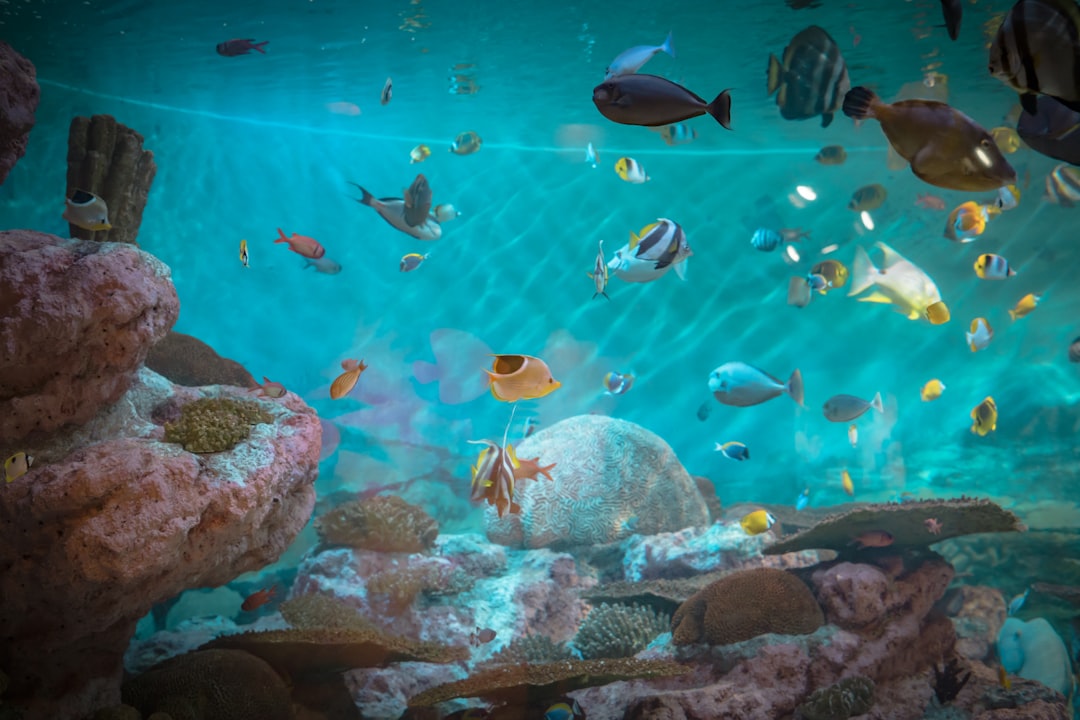
Chasing a rogue damsel through a fully aquascaped reef is a masterclass in frustration — and a fast way to topple coral colonies you spent months growing. The best marine fish trap humane approach removes problem fish calmly, safely and without turning your tank into a demolition site. Gensou Aquascaping Singapore has relocated countless fish from client displays over the years, and a good trap is the single most underrated tool in a marine hobbyist’s kit.
When You Need a Fish Trap
Aggression is the most common trigger. A territorial Dascyllus trimaculatus bullying new tank mates, a rogue wrasse nipping coral polyps, or a mantis shrimp hitchhiker terrorising your clean-up crew — all situations where a trap beats the alternative of pulling rockwork. Traps are also invaluable when you need to isolate a sick fish for treatment or rehome a species that has outgrown your tank.
Types of Humane Fish Traps
Acrylic box traps are the most popular design. A clear chamber with a spring-loaded or gravity-drop door sits inside the tank, baited with food. The fish enters, triggers the door mechanism and is contained without injury. The Aqua Medic Fish Trap and the DIY acrylic versions sold on Carousell and Shopee in Singapore both follow this principle, typically priced between $20 and $50.
Bottle traps — made from a cut plastic bottle with the top inverted as a funnel — work surprisingly well for small fish like gobies and chromis. They cost nothing to make and can be left in the tank overnight. For larger, smarter fish like tangs and angels, a two-chamber trap with a one-way gate tends to outperform single-door designs because the fish cannot simply back out.
Baiting and Placement Strategy
Bait the trap with the target fish’s favourite food. Mysis shrimp, nori sheets or small pellets work for most species. Place the trap near the fish’s preferred territory — usually a specific cave or overhang — and leave the door mechanism disabled for the first day or two. This lets the fish enter and exit freely, building confidence. On day three, arm the door. Patience is the real tool here; rushing the process rarely works.
Position the trap on a flat section of sandbed or rockwork where it will not topple. Wedge small pieces of rubble around the base if needed. Avoid placing it directly under strong flow from a powerhead, as the current can prevent the door from closing cleanly.
DIY Trap Tips for Singapore Hobbyists
Local acrylic fabricators can cut custom trap panels to your specifications for under $30. Use 3 mm clear acrylic, solvent-weld the seams with Acrifix or similar cement, and drill ventilation holes (5 mm diameter, spaced 15 mm apart) on at least two sides. A simple guillotine door held by a monofilament line that you pull from outside the tank is effective and easy to build. Several hobbyists in Singapore reef community groups share templates — check local forums and Facebook groups for inspiration.
Catching Stubborn Fish
Some fish are trap-wise. Wrasses, in particular, learn quickly and avoid enclosed spaces. For these individuals, try a clear barrier method instead: use two sheets of acrylic to slowly herd the fish into a corner, then scoop with a soft mesh net. This works best with two people — one managing each barrier panel. It is less stressful than a prolonged net chase and far less destructive to your aquascape.
Feeding the tank heavily before a herding attempt makes fish sluggish and less flighty. Dimming the lights also calms most species.
After the Catch
Transfer the captured fish into a bucket of tank water immediately. If rehoming, acclimate the fish to the new system using a drip method over 30–45 minutes. If the fish needs medication, move it to a quarantine tank with matching salinity and temperature. Never release marine fish into Singapore waterways — it is both illegal and ecologically harmful.
Preventing Future Catch-and-Chase Scenarios
Research compatibility before adding any fish. Stock less aggressive species first and introduce territorial fish last. Quarantine new arrivals for two to four weeks to screen for disease and assess temperament before committing them to your display. A little planning up front saves a lot of trap-setting later.
Related Reading
Ocellaris Clownfish Care Guide for Beginners