Best Shrimp Food: Pellets, Powders and Supplements Compared
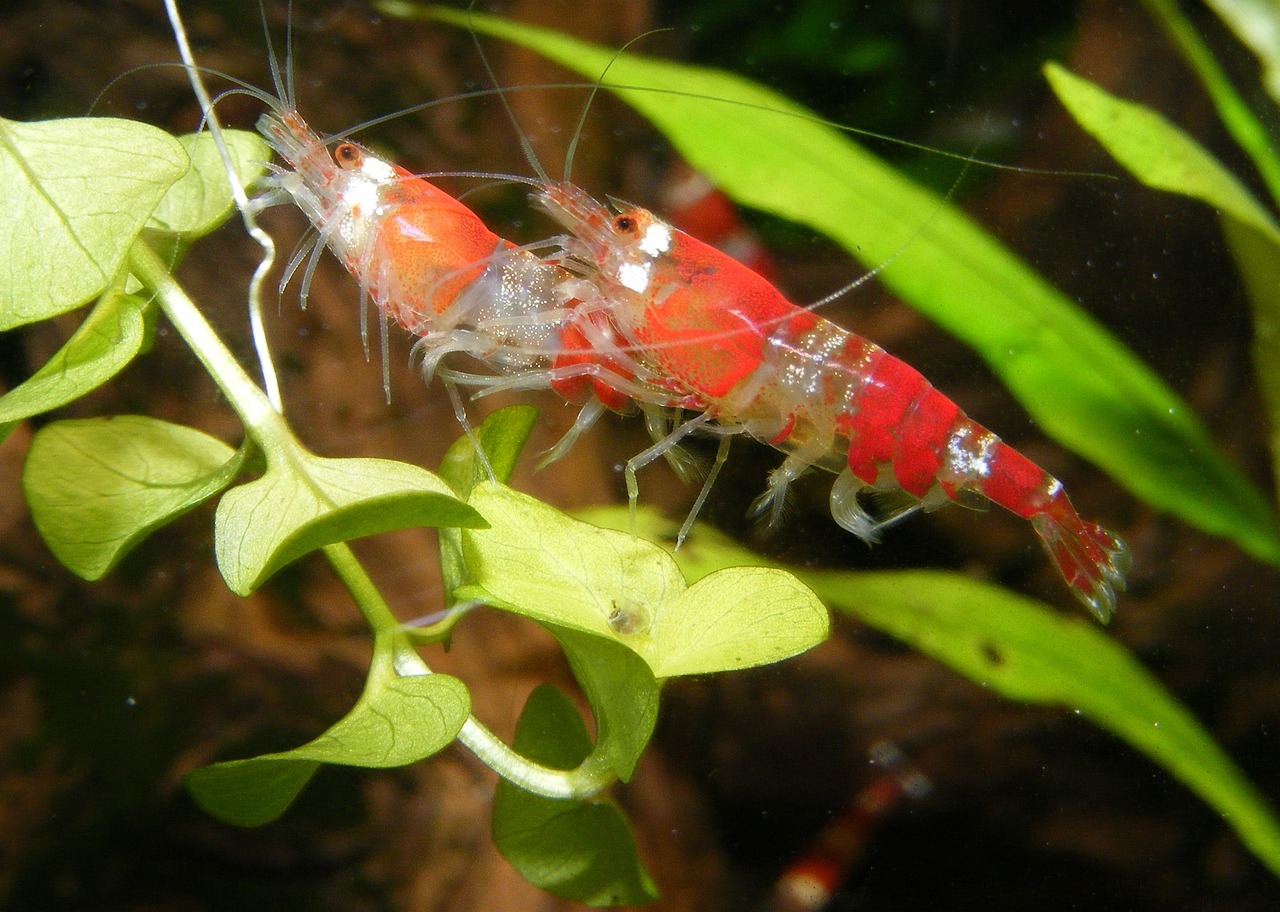
Table of Contents
- Why Shrimp Diet Matters
- Staple Pellets and Wafers
- Supplemental Foods and Leaves
- Mineral Supplements
- Powder Food for Shrimplets
- Feeding Schedule and Portions
- Overfeeding Dangers
- DIY Shrimp Food
- Frequently Asked Questions
Why Shrimp Diet Matters
Dwarf shrimp are not fussy eaters, but the quality and variety of their diet directly influences colour intensity, breeding frequency and survival rates. In Singapore’s warm climate, where aquarium temperatures sit between 28 and 32 degrees Celsius without a chiller, a well-balanced feeding plan becomes even more important. Higher temperatures speed up metabolism, meaning shrimp burn through nutrients faster and produce more waste.
A good feeding strategy combines a staple food with supplemental treats, mineral support and specialist powder for shrimplets. Getting this balance right is the difference between a colony that merely survives and one that thrives with vibrant colour and consistent berried females.
Staple Pellets and Wafers
Staple pellets form the backbone of your shrimp feeding routine. They are formulated to provide a balanced mix of protein, fibre and vitamins in a sinking format that shrimp can easily grasp and nibble on over several hours.
Top Staple Pellets Compared
| Product | Protein Content | Key Ingredients | Best For | Approx. Price (SGD) |
|---|---|---|---|---|
| Hikari Shrimp Cuisine | 35% | Fish meal, spirulina, seaweed | Beginners, Neocaridina | $8-12 |
| Glasgarten Shrimp Dinner Pads | 38% | Moringa, walnut leaves, spinach | Caridina and Neocaridina | $15-20 |
| Shrimp King Complete | 36% | Proteins, herbs, minerals | All-round colony health | $14-18 |
| Borneo Wild Bebi | 32% | Mulberry, soybean, kelp | Caridina species | $12-16 |
Hikari Shrimp Cuisine is widely available at local fish shops across Singapore. For more discerning keepers, Glasgarten pads contain a broader spectrum of plant-based ingredients and produce less water cloudiness. Break one pad into pieces for a colony of 20 to 30 shrimp.
Supplemental Foods and Leaves
Variety is crucial for shrimp health. Supplemental foods mimic the natural diet of biofilm, decaying leaves and plant matter that shrimp would encounter in the wild.
Dried Leaves
- Indian almond leaves (ketapang) – Readily available in Singapore, these release tannins that lower pH slightly and have mild antibacterial properties. Shrimp graze on the biofilm that forms as the leaf breaks down. Replace every two to three weeks.
- Mulberry leaves – High in calcium and protein, mulberry leaves are excellent for supporting moults. Shrimp devour them quickly, usually within 48 hours.
- Guava leaves – Another locally sourced option with antibacterial properties. Rinse thoroughly before use as leaves from local trees may have been exposed to pesticides.
Specialty Supplements
- Snowflake food – Made from soybean husks, snowflake food does not foul water and can be left in the tank indefinitely. It grows a layer of beneficial bacteria that shrimplets feed on. Ideal for tanks where you cannot feed frequently.
- Blanched spinach – A cheap and effective supplemental food. Blanch for 30 seconds, cool, and drop a small piece into the tank. Remove uneaten portions after six hours to prevent ammonia spikes in warm Singapore water.
Mineral Supplements
Singapore’s PUB tap water is treated with chloramine and tends to be soft with low mineral content. After treatment with a water conditioner, many keepers find their water still lacks the calcium and trace minerals shrimp need for healthy moulting.
Montmorillonite Clay
Montmorillonite powder is a volcanic clay rich in over 60 trace minerals. A small pinch added once a week provides calcium, magnesium and other minerals that support shell formation. It temporarily clouds the water but settles within an hour. Many breeders in Singapore swear by it for improving moult success rates, especially during the hotter months when temperatures climb toward 32 degrees Celsius and moult-related deaths increase.
Mineral stones placed in the tank release minerals slowly over several months, a set-and-forget option for HDB and condo setups. Replace every three to four months.
Powder Food for Shrimplets
Newly hatched shrimplets are too small to eat standard pellets. They rely on biofilm, and powder foods help establish a rich biofilm layer throughout the tank.
Top Powder Foods
| Product | Type | How It Works | Dosage |
|---|---|---|---|
| Bacter AE | Biofilm enhancer | Feeds beneficial bacteria that coat surfaces, creating biofilm for shrimplets to graze on | One micro-scoop per 20 litres, 2-3 times per week |
| SL-Aqua Baby Shrimp Food | Micro-particle powder | Dissolves into ultra-fine particles that shrimplets can consume directly | One micro-scoop per 30 litres, daily |
| Glasgarten Shrimp Baby Food | Powder blend | Combination of micro-algae and proteins sized for shrimplets | One micro-scoop per 20 litres, 2-3 times per week |
Bacter AE is not technically a food but a bacterial supplement that boosts biofilm growth. In Singapore’s warmer water, biofilm develops quickly but can also be consumed quickly by a growing colony. Regular dosing ensures shrimplets always have food on every surface. Be cautious with powder foods in small tanks as they reduce dissolved oxygen. Ensure good surface agitation when dosing.
Feeding Schedule and Portions
Shrimp are constant grazers that pick at biofilm and algae around the clock. Dedicated food is a supplement to what they find naturally in the tank.
Recommended Weekly Schedule
| Day | Food Type | Notes |
|---|---|---|
| Monday | Staple pellet | Half a Glasgarten pad or 2-3 Hikari pellets per 20 shrimp |
| Tuesday | No feeding | Shrimp graze on biofilm and algae |
| Wednesday | Blanched vegetable or leaf | Spinach, courgette or mulberry leaf |
| Thursday | Powder food (if shrimplets present) | Bacter AE or SL-Aqua |
| Friday | Staple pellet | Same as Monday |
| Saturday | No feeding | Fasting day to let shrimp clean up |
| Sunday | Supplemental or mineral | Snowflake food or montmorillonite pinch |
Adjust upward for large colonies (100+ shrimp) or downward for small groups. The key principle: shrimp should finish all food within two to four hours. If food remains after six hours, reduce the amount.
Overfeeding Dangers
Overfeeding is the number one killer of shrimp in Singapore aquariums. Here is why it is especially dangerous in our tropical climate.
- Faster decomposition – At 28 to 32 degrees Celsius, uneaten food breaks down rapidly, producing ammonia and nitrite spikes that can wipe out a colony overnight.
- Planaria and pest snails – Excess food fuels pest populations. Planaria in particular are dangerous to shrimplets and nearly impossible to eradicate once established.
- Bacterial bloom – Cloudy water from bacterial blooms depletes oxygen, which is already lower in warm water. This combination can cause mass die-offs.
- Substrate fouling – Leftover food trapped in substrate creates anaerobic pockets that release hydrogen sulphide, toxic to all aquarium inhabitants.
If you are going away for a weekend, your shrimp will be fine. A well-established tank sustains a colony for up to two weeks on biofilm and algae alone.
DIY Shrimp Food
Making your own shrimp food is straightforward and can save money, especially for larger colonies. Here are some tried-and-tested options using ingredients easily sourced in Singapore.
Blanched Vegetables
- Spinach – Blanch for 30 seconds. High in iron and calcium.
- Courgette (zucchini) – Blanch for 60 seconds. Shrimp love it, but remove after 6 hours.
- Cucumber – Can be added raw in small slices. Less nutritious but readily accepted.
- Sweet potato – Blanch for 2 minutes until soft. Rich in vitamins A and C.
- Carrots – Blanch for 3 minutes. May improve red colouration in cherry shrimp.
You can also make homemade shrimp lollies by blending equal parts blanched spinach, spirulina powder and a pinch of calcium carbonate. Spread the paste thinly on baking paper, freeze and break off small pieces as needed.
For a comprehensive guide to keeping healthy shrimp colonies, including water parameters and tank setup, see our cherry shrimp care guide.
Frequently Asked Questions
How often should I feed my shrimp?
Feed dedicated food three to four times per week for a colony of 20 to 50 shrimp in a well-established tank. Shrimp graze on biofilm and algae between feedings, so they are never truly “hungry.” In Singapore’s warmer water, less is more because uneaten food decomposes faster and can cause dangerous ammonia spikes.
Can I use the same food for Neocaridina and Caridina shrimp?
Yes, most commercial shrimp foods are suitable for both Neocaridina (cherry shrimp) and Caridina (crystal shrimp, Taiwan bees). The main difference in care is water parameters, not diet. However, Caridina species tend to be more sensitive to water quality, so be extra careful about removing uneaten food promptly.
Do I need to remove Indian almond leaves after a certain time?
Indian almond leaves can be left in the tank until they are fully consumed by shrimp and beneficial bacteria. This usually takes two to four weeks. The skeleton of the leaf is harmless and provides additional grazing surface. Only remove them if they begin to break apart into unsightly fragments that bother you aesthetically.
Is Bacter AE safe for fish in a community tank?
Bacter AE is safe for fish when used at the recommended dosage. However, overdosing can cause a bacterial bloom that depletes oxygen. If you keep shrimp in a community tank with fish, dose conservatively and ensure good surface agitation. Start with half the recommended amount and increase gradually.
Get Expert Shrimp-Keeping Advice
Choosing the right food and feeding schedule can make or break a shrimp colony, especially in Singapore’s tropical conditions. At Gensou Aquascaping, we have over 20 years of experience helping hobbyists build thriving shrimp tanks. Visit our studio at 5 Everton Park to see our shrimp setups in person and pick up premium shrimp foods. Browse our aquascaping services or get in touch to discuss your shrimp-keeping goals.
Related Reading