
Blue Bolt and Taiwan Bee Shrimp Guide: Premium Caridina for Experienced Keepers
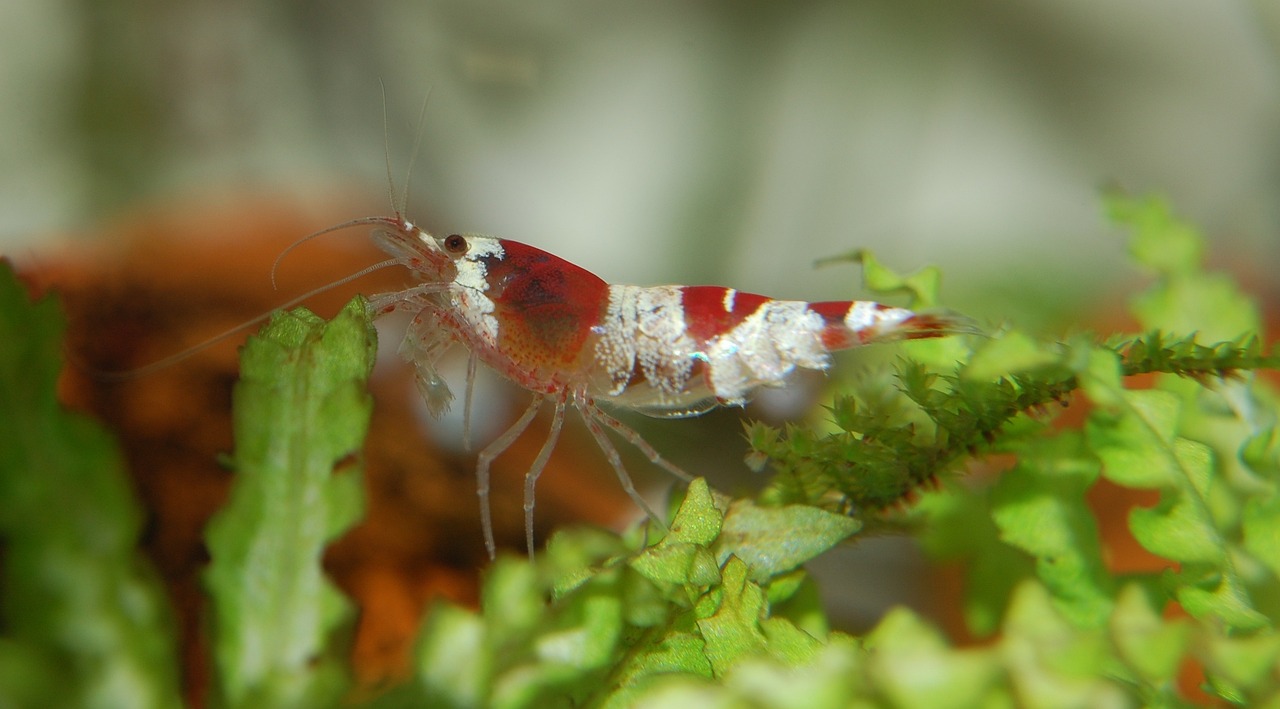
Among the upper echelon of ornamental shrimp, Taiwan bee varieties occupy a place of prestige that few other invertebrates can rival. The blue bolt, with its intense steel-blue to sky-blue carapace, is perhaps the most iconic of the group. Originally emerging from crossbreeding projects involving crystal shrimp and wild-type bee shrimp mutations, Taiwan bees now encompass a family of premium Caridina morphs that reward experienced keepers with extraordinary colour. This blue bolt taiwan bee shrimp guide shares the practical knowledge we have accumulated at Gensou Aquascaping, 5 Everton Park, Singapore.
Taiwan Bee Varieties Explained
Taiwan bee is an umbrella term covering several distinct colour morphs that share a common genetic background. Blue bolts display a deep blue body with varying degrees of white or translucent patterning on the head. King Kong shrimp are solid black with thick, opaque colouration. Wine red shrimp present a rich, dark red that differs markedly from crystal red colouring. Panda shrimp combine black and white in striking patterns. Shadow bees, including shadow mosura and shadow panda, add further complexity. Each variety is graded on colour density, opacity, and pattern clarity, with top specimens fetching SGD 40 to SGD 150 or more in Singapore.
Water Parameters: Precision Required
Taiwan bees share the same fundamental requirements as crystal shrimp but are less tolerant of fluctuations. Target pH 5.8 to 6.5, GH 4 to 5, KH 0 to 1, TDS 100 to 150 ppm, and temperature 22 to 25 degrees Celsius. In Singapore, this mandates a chiller or a consistently air-conditioned room. Many serious local breeders dedicate a spare room to shrimp, keeping the air conditioning at 23 to 24 degrees around the clock. The electricity cost is real but unavoidable for long-term Taiwan bee keeping in our climate.
Use RO water remineralised with Salty Shrimp GH+ or an equivalent product. PUB tap water, even when dechlorinated, carries KH and minerals that interfere with the buffering substrate’s ability to hold pH low. Active soil substrates like ADA Amazonia or Brightwell Aquatics Rio Escuro are essential. Replace substrate every 12 to 18 months as buffering capacity depletes.
Tank Setup for Taiwan Bees
A species-only tank of 20 to 45 litres is standard among Singapore breeders. Sponge filtration with dual sponges provides redundancy and ample biofilm surface. Mature the tank for six to eight weeks before introducing shrimp, a longer cycling period than most beginners expect. Fill the tank with moss, Bucephalandra, and botanicals such as Indian almond leaves and alder cones. These create a rich microfauna environment where shrimp graze constantly.
Avoid strong lighting, which stresses shrimp and promotes algae over biofilm. A low to moderate LED on a six to eight hour photoperiod is sufficient. Dark substrates enhance colour perception, making blue bolts appear even more vibrant against a black soil bed.
Feeding Premium Shrimp
Quality nutrition is non-negotiable for maintaining colour intensity. Rotate between specialised shrimp foods from reputable brands, including powdered biofilm supplements, enzyme-rich pellets, and mineral-fortified wafers. Feed sparingly, every other day at most, and remove uneaten food promptly. Overfeeding is the fastest route to bacterial bloom, hydra infestations, and colony collapse in a small Taiwan bee setup.
Snowflake food, which slowly breaks down over 24 to 48 hours, works well as a supplemental food that does not foul water as quickly as pellets. Blanched nettle leaves, mulberry leaves, and moringa powder are favoured by experienced breeders for their nutritional density. The blue bolt taiwan bee shrimp guide principle of “less is more” applies firmly to feeding.
Breeding Taiwan Bees
Taiwan bee genetics are complex, involving interactions between multiple colour genes. Breeding blue bolt to blue bolt generally produces blue bolt offspring, but outcrossing with other Taiwan bee varieties introduces unpredictability. Some breeders maintain pure lines, while others experiment with crosses to produce new patterns. Understanding the basics of Mendelian inheritance and the Taiwan bee gene pool helps, though much knowledge in this niche is empirical rather than formally documented.
Females carry 15 to 25 eggs for approximately 28 to 35 days. Survival rates are lower than Neocaridina, and colony growth is slow. A successful breeding colony of 20 to 30 shrimp in a well-maintained tank may produce 5 to 10 juveniles per month that survive to adulthood. Patience and consistency are the defining traits of successful Taiwan bee breeders.
Common Challenges in Singapore
Heat is the single biggest obstacle. Even brief temperature spikes above 28 degrees during an air conditioning outage can trigger mass die-offs. Invest in a reliable chiller with a backup plan. Monitor TDS creep from evaporation, topping up with pure RO water only to maintain stable mineral concentration. Weekly water changes of 10 per cent, temperature and TDS matched, keep conditions consistent without shocking the colony.
Planaria and hydra sometimes appear in shrimp tanks, preying on shrimplets. Fenbendazole-based treatments such as No Planaria are shrimp-safe when dosed correctly, but always follow manufacturer instructions precisely. Avoid copper-based medications entirely.
Is Taiwan Bee Keeping Worth the Investment?
Taiwan bee shrimp are not entry-level. They require dedicated equipment, stable environmental control, and ongoing attention to water chemistry. However, for hobbyists who have successfully bred crystal shrimp and are looking for the next challenge, blue bolts and their relatives offer unmatched visual reward. A well-established colony of high-grade blue bolts in a lush moss tank is among the most beautiful displays in the freshwater hobby. Gensou Aquascaping stocks select Taiwan bee varieties and can advise on the complete setup, from RO units to chillers, suited to Singapore conditions.
Related Reading
- How to Breed Blue Bolt Shrimp: Taiwan Bee Colour Selection
- Blue Bolt Shrimp Care Guide: The Crown Jewel of Caridina
- Taiwan Bee Shrimp Care Guide: King Kong, Panda and Red Wine
- Aura Blue Shrimp Care Guide: Caridina Cantonensis Blue Morph
- How to Breed Blue Dream Shrimp: Neocaridina Colour Line Selection



