
Built-in Fish Tank Complete Guide: Custom Installations
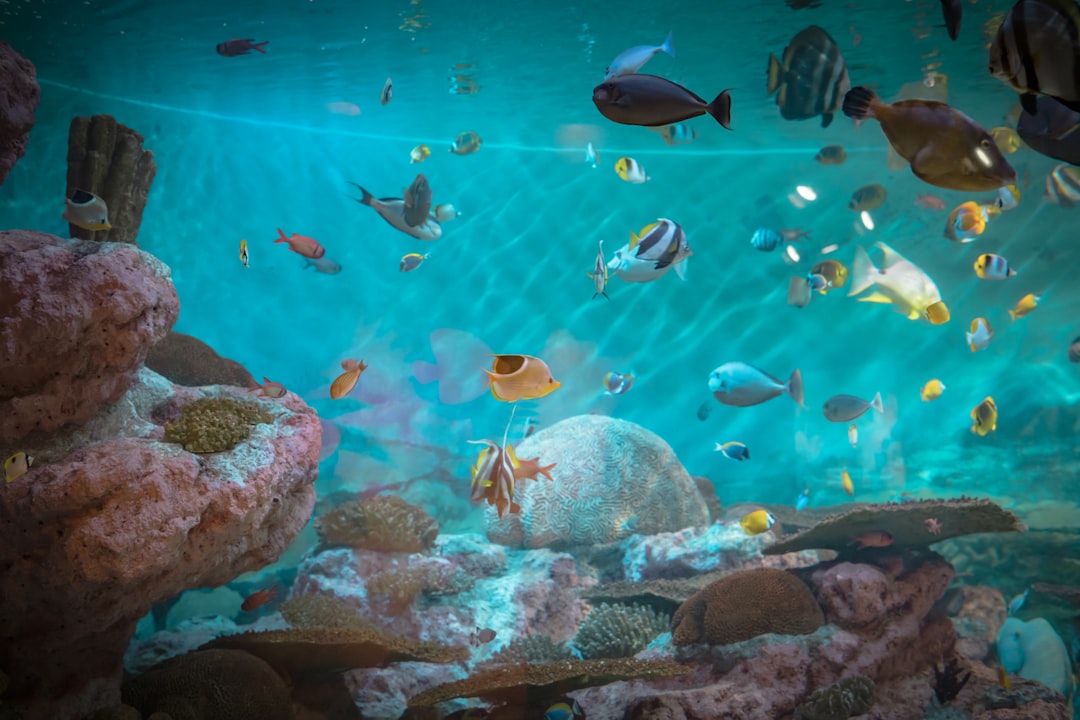
A built-in aquarium is a piece of furniture and a live ecosystem simultaneously, which is why it costs more than either alone and fails more often than either alone when planning is thin. This built-in fish tank complete guide from Gensou Aquascaping at 5 Everton Park covers the commissioning process used for custom installations in Singapore homes — from site survey and fabricator choice through cabinet specification, sump integration, water-in and the first six months of running-in. Built-in means the tank is not moving again, so every decision upstream has years of downstream consequences.
Defining Built-In vs Wall-Mounted
“Built-in” in Singapore practice means a tank integrated into fixed cabinetry or wall framework such that removal requires dismantling the surrounding structure. This covers flush-front cabinet builds, half-wall partitions, drywall recesses and column niches. It excludes freestanding tanks on standard cabinet stands, which remain portable. The built-in definition matters because fabrication tolerances, service access and plumbing are fundamentally different.
Fabricator Selection in Singapore
Polyart at Geylang is the best-known local fabricator for integrated tank-cabinet-sump packages, quoting SGD 4,000-8,000 for 90-120 cm display units with matched cabinetry. Smaller fabricators in the Serangoon North Avenue 1 cluster offer custom tanks without full cabinetry integration at SGD 800-2,500 for the same glass sizes. For a true turnkey built-in, a combined fabricator plus carpentry contractor is typical; coordinate both before ordering to ensure dimensions match.
Tank Specification for Fixed Installs
Built-in tanks should use starphire low-iron glass for clarity, silicone-only rimless bonding for clean lines, and bottom-drilled overflows for sump integration. 12 mm glass is standard for 90-100 cm lengths; 15 mm for 120 cm and larger. Specify internal dimensions not external — cabinetry is built to the tank, so a 3 mm measuring error ripples into a visible gap. The aquarium tanks range covers starphire stock options.
Cabinet Integration and Finish
Custom cabinetry either matches the room’s existing carpentry (laminate, veneer, lacquer) or states itself as a designed feature with contrasting material. Carcass construction should be 18 mm marine ply or moisture-resistant MDF on a steel reinforcement frame — water will touch these surfaces at some point. The Custom Aquarium Cabinet is designed for built-in integration with structural reinforcement rated for 200+ litre displays.
Sump and Filtration Layout
Built-in tanks almost universally use external sumps hidden in the cabinet base. Plan the sump bay with 150 mm minimum clearance on all sides for servicing, a drip tray beneath the pump chamber, and a quick-disconnect union on the return line so the sump can be removed without cutting plumbing. A 60-80 litre sump suits a 200-litre display; step up to 100-120 litres for 300+ litre tanks. See the filtration equipment range.
Lighting Integration
Built-in tanks look amateur the moment a light fixture dangles from a cable above the water. Concealed bar fixtures behind a top bulkhead, recessed ceiling pendants aligned with the tank centre line, or integrated under-cabinet LED strips delivering 50-80 µmol PAR at substrate level are the three professional options. The LED lighting range carries bar fixtures and pendants suited to integration. Iwarna and C328 also stock high-CRI fixtures for built-in pairings.
Auto-Top-Off and Water Changes
Evaporation in Singapore’s climate runs 2-4 litres daily on an open-top 200-litre display. A 15-20 litre auto-top-off reservoir in the cabinet base with float switch and dosing pump handles this invisibly. For water changes, run a dedicated 12 mm drain line from the sump to a floor waste or bathroom outlet — built-in tanks you must bucket-siphon end up neglected. Plan the plumbing at fabrication stage.
Heating, Cooling and Climate Control
Ambient tank temperatures in air-conditioned Singapore homes drift 24-30°C depending on HVAC scheduling. Most tropical planted setups run happily at 25-27°C with a 100W sump heater; no chiller needed unless you keep Crystal shrimp or wild-type livestock requiring under 24°C. Hide the heater in the sump bay. The heating and cooling range covers reliable inline heaters and chiller options.
Aquascaping a Permanent Install
Built-in tanks reward nature-style and iwagumi layouts that age gracefully over 2-3 years — themed dioramas date quickly and become painful to rescape in a fixed install. Use high-quality aquasoil capped with inert sand for longevity, select slow-growing plants like Anubias, Bucephalandra and Microsorum that tolerate minimal intervention, and plan a pruning schedule from day one. Browse live plants and aquasoil options.
Commissioning and First Six Months
A built-in install is not finished at water-in. Expect 4-8 weeks of cycling, 2-3 months of algae succession, and quarterly filter servicing once stable. Keep a simple log of water parameters (pH, KH, nitrate, phosphate) for the first six months — patterns reveal what the tank needs long-term. Professional monthly servicing at SGD 200-350 is worthwhile for owners who travel or prefer a hands-off relationship with their feature tank.
Related Reading



