
Clown Killifish Care Guide: The Tiny Rocket of Surface Dwellers
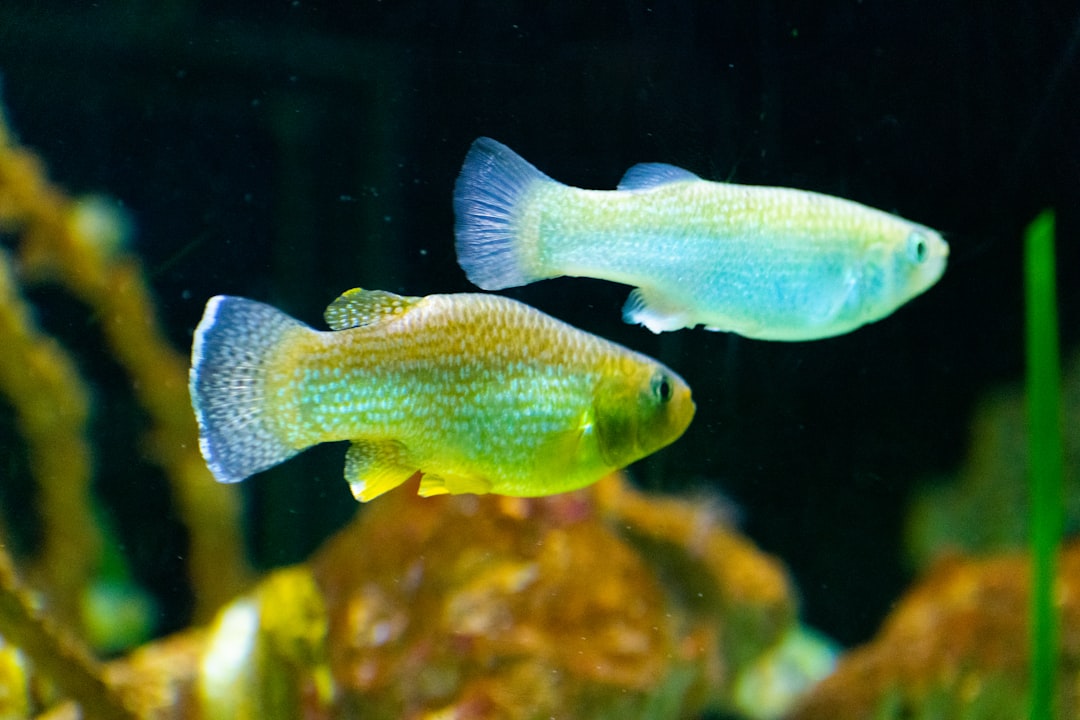
The clown killifish (Epiplatys annulatus) packs an extraordinary amount of personality into a body barely 3.5 cm long. Its flame-tipped, rocket-shaped tail, bold banding and habit of patrolling the water surface make it one of the most distinctive nano fish available. Better still, it is not an annual killifish — there is no need for peat-spawning or drying eggs. This hardy little surface dweller breeds readily and thrives in Singapore’s warm climate. This guide sits inside our broader Tropical Fish Species Master Index reference.
This clown killifish care guide covers everything you need to know: habitat, feeding, breeding and how to set up a tank that lets this tiny rocket shine.
Table of Contents
Clown Killifish Overview
Epiplatys annulatus, commonly called the clown killifish or rocket killifish, originates from the shallow streams and swampy areas of West Africa — Guinea, Liberia and Sierra Leone. In the wild, it occupies the topmost layer of slow-moving, heavily vegetated waterways.
| Attribute | Detail |
|---|---|
| Scientific Name | Epiplatys annulatus |
| Common Names | Clown killifish, rocket killifish, banded panchax |
| Adult Size | 3–3.5 cm |
| Lifespan | 3–5 years |
| Temperament | Peaceful, shy |
| Diet | Micro carnivore; surface feeder |
| Minimum Tank Size | 20 litres (nano suitable) |
Males are the stars, displaying vivid blue-black vertical bands on a cream-yellow body and a caudal fin shaped like a tiny rocket flame — red, blue and yellow streaks fanning outward. Females are plainer, with muted banding and less fin colour, but equally charming in behaviour.
Not Your Typical Killifish
Many hobbyists avoid killifish because they associate the group with annual species that require special peat substrates for egg-laying and have lifespans of under a year. The clown killifish breaks every one of those stereotypes:
- Non-annual — it lives three to five years under good conditions.
- No special spawning medium — eggs are deposited on floating plants, not buried in soil.
- Easy breeding — pairs spawn readily in a well-planted tank.
- Community-compatible — provided tankmates are small and gentle.
If you have been curious about killifish but put off by the complexity, the clown killifish is the ideal gateway species.
Tank Setup
Clown killifish are surface dwellers through and through. Tank design should prioritise surface area over depth. A long, shallow tank is preferable to a tall, narrow one.
Essential Elements
- Floating plants — Salvinia, Amazon frogbit, water lettuce or duckweed. These provide shade, security and spawning sites. Without floating cover, clown killifish will be permanently stressed.
- Dense stem plants — Rotala, Hygrophila, Ludwigia. These break sightlines and give shy fish places to retreat.
- Subdued lighting — floating plants naturally dim the tank, which is exactly what these fish prefer.
- Gentle filtration — a small sponge filter is ideal. Avoid strong surface agitation, as this disrupts their feeding and territory.
- Tight-fitting lid — clown killifish can and will jump through surprisingly small gaps.
A nano tank of 20 litres is sufficient for a trio (one male, two females). For a larger group, 40–60 litres gives everyone enough surface real estate to establish small territories without conflict.
Water Parameters for Singapore
Clown killifish tolerate a range of conditions and adapt well to Singapore’s climate:
| Parameter | Ideal Range | SG Considerations |
|---|---|---|
| Temperature | 23–28 °C | Ambient 28–30 °C is fine; use a fan in extreme heat |
| pH | 5.5–7.0 | Acidic to neutral; tannins from botanicals help |
| GH | 3–10 dGH | Soft to moderate; SG tap water may need diluting with RO |
| KH | 1–5 dKH | Low buffering preferred |
Always treat Singapore tap water with a conditioner that specifically neutralises chloramine — PUB uses chloramine rather than chlorine, and many basic dechlorinators do not address it. Indian almond leaves or driftwood provide natural tannins that lower pH and make clown killifish feel at home.
Feeding
This is the area that trips up most new clown killifish keepers. Two rules to remember:
- They feed almost exclusively from the surface. Food that sinks is ignored.
- Their mouths are tiny. Standard-sized flakes and pellets are too large.
Recommended Foods
- Live baby brine shrimp — the single best food; eagerly taken from the surface
- Micro worms and vinegar eels — float momentarily at the surface, which is perfect
- Daphnia (small strains) — live or frozen, crushed if necessary
- Crushed flake or micro pellets — accepted by some individuals after conditioning, but should not be the sole diet
- Fruit flies (wingless) — a natural surface food; excellent enrichment
Feed small amounts twice daily. In a planted tank with a healthy population of infusoria and micro-organisms, clown killifish will also graze on naturally occurring surface life between meals. Browse our shop for quality frozen and micro foods suitable for surface feeders.
Tank Mates
Clown killifish are peaceful but extremely small. Tankmates must meet two criteria: they must be too small to eat the killifish, and they must be gentle enough not to outcompete them for food.
Good Tank Mates
- Dwarf rasboras (Boraras species)
- Ember tetras
- Pygmy corydoras
- Otocinclus
- Neocaridina and Caridina shrimp
- Small snails (nerite, ramshorn)
Avoid
- Bettas (territorial at the surface)
- Guppies and endlers (too active, outcompete for food)
- Any fish above 5 cm
- Aggressive or fast-swimming species
In a nano tank, a species-only setup or a pairing with shrimp is the safest approach. This keeps feeding simple and lets you enjoy the killifish’s natural behaviour without competition.
Breeding Clown Killifish
One of the great joys of keeping clown killifish is how willingly they breed. No special substrates, no egg-drying — just healthy fish, floating plants and patience.
Spawning Process
- Condition a pair or trio (one male, one or two females) with live foods for one to two weeks.
- Ensure floating plants are abundant — roots of frogbit and water lettuce are preferred egg-deposition sites.
- Males display by flaring their rocket-shaped tails and positioning themselves beside females near the surface.
- Eggs are laid individually among floating plant roots over several days — typically one to three eggs per day.
- Eggs hatch in 10–14 days depending on temperature.
Raising Fry
Fry are tiny but relatively robust. In a densely planted tank, some fry will survive without intervention — the parents are not aggressive egg or fry predators. For higher survival rates, remove eggs on plant roots to a separate container. First food should be infusoria or commercially available liquid fry food, graduating to baby brine shrimp after a week.
Common Issues
- Jumping: A tight lid is essential. Even small gaps at the back for filter tubing should be blocked with foam or mesh.
- Refusing dried food: Newly purchased clown killifish often reject flakes and pellets. Persevere with live and frozen foods first, then gradually introduce crushed dry food.
- Fading colour: Usually caused by stress from bright lighting, strong flow or aggressive tankmates. Add more floating plants and reduce surface agitation.
- Oodinium (velvet disease): Clown killifish can be susceptible. Maintain stable temperatures and consider a dim-light environment, as the parasite uses photosynthesis.
Frequently Asked Questions
How many clown killifish should I keep together?
A minimum of three (one male, two females) is recommended. In tanks of 40 litres or more, a group of six to eight creates a more natural dynamic. Males may spar lightly, but this rarely causes harm if the tank is well-planted with enough surface territory for each.
Can clown killifish live in an unheated tank in Singapore?
Yes. Singapore’s ambient room temperature of 28–30 °C falls within their tolerable range. A heater is unnecessary in most HDB and condo setups. During exceptionally hot spells above 32 °C, a clip-on fan aimed at the water surface provides adequate cooling.
Do clown killifish eat shrimp?
Adults will not eat adult shrimp. However, very small shrimplets (particularly newborn Caridina) may occasionally be picked off at the surface. If you are breeding shrimp for maximum survival, a species-only shrimp tank is preferable. In a mixed setup, dense moss and hiding spots give most shrimplets a fighting chance.
Are clown killifish hard to keep?
Not inherently. The main challenge is feeding — their insistence on surface food and tiny mouth size means you may need to culture or purchase live micro foods. Once feeding is sorted, they are hardy, long-lived and undemanding. For help sourcing appropriate foods, check our shop or visit us at 5 Everton Park.
Add a Splash of Colour to Your Nano Tank
The clown killifish proves that extraordinary beauty does not require a large aquarium or complicated care. A simple 20-litre nano tank with floating plants, gentle filtration and a diet of live micro foods is all it takes to enjoy one of the hobby’s most charming surface dwellers.
For Singapore hobbyists, the warm ambient temperatures and growing availability of quality nano fish make the clown killifish a natural choice. If you would like help setting up a nano tank or sourcing these fish, contact our team — we have been helping Singapore aquarists create beautiful setups for over 20 years.
Related Reading
- How to Breed Clown Killifish: Rocket Panchax Spawning in Nano Tanks
- Clown Loach Care Guide: The Gentle Giant That Clicks
- Clown Loach Growth Rate and Tank Size: Planning for Adult Size
- Clown Pleco Care Guide: Small, Striped and Wood-Loving
- Long-Fin Clown Pleco Care Guide: Driftwood Dweller With Flowing Fins



