
Copper in Your Aquarium: Essential Guide for Shrimp Keepers
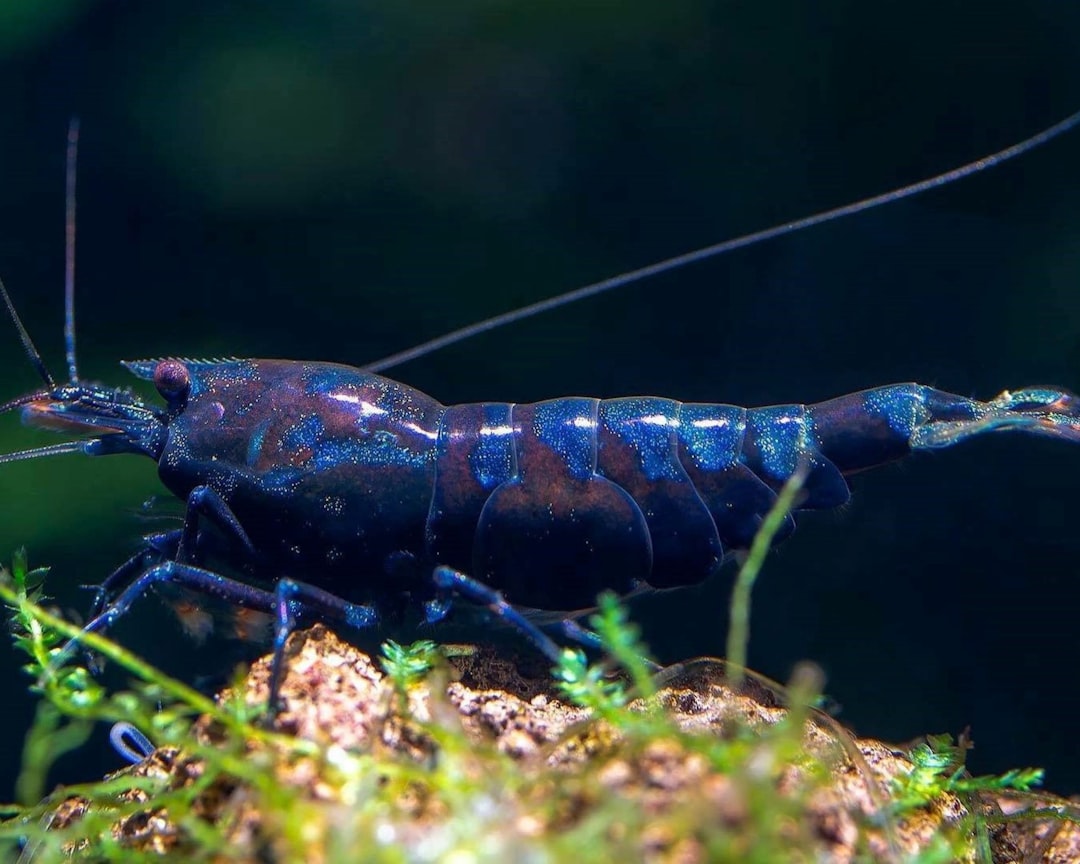
Copper is one of the most dangerous substances you can introduce into a shrimp tank. At concentrations as low as 0.01–0.03 ppm, it can kill shrimp and snails within hours. What makes copper especially treacherous is how many everyday aquarium products contain it — from common fish medications to plant fertilisers to the plumbing in your HDB flat.
At Gensou, we have helped hundreds of shrimp keepers in Singapore avoid copper-related disasters over our 20-plus years in the hobby. This guide covers everything you need to know: where copper comes from, how to test for it, and how to keep your invertebrates safe.
Why Copper Kills Shrimp
Copper is toxic to invertebrates because their blood chemistry is fundamentally different from that of fish. Shrimp and other crustaceans use haemocyanin (a copper-based protein) for oxygen transport, unlike fish which use haemoglobin (iron-based). This means shrimp are exquisitely sensitive to copper concentrations in their environment — even tiny amounts disrupt their oxygen-carrying capacity and nervous system function.
The lethal concentration for most freshwater shrimp species is shockingly low:
| Species | Approximate Lethal Concentration | Time to Death |
|---|---|---|
| Neocaridina (Cherry Shrimp) | 0.03–0.05 ppm | Hours to 2 days |
| Caridina (Crystal/Bee Shrimp) | 0.01–0.03 ppm | Hours to 1 day |
| Amano Shrimp | 0.03–0.06 ppm | Hours to 2 days |
| Snails (general) | 0.05–0.10 ppm | 1–3 days |
For perspective, many fish medications are dosed at 0.25–0.50 ppm copper — five to fifty times the lethal dose for shrimp. A single treatment with a copper-based ich medication in a shrimp tank will kill every invertebrate in it.
Sources of Copper in Your Aquarium
Copper can enter your tank from numerous sources, many of which are not immediately obvious.
Medications
This is the most common cause of copper-related shrimp deaths. Many popular fish medications contain copper sulphate or copper chelates as active ingredients:
- Ich (white spot) treatments — many commercial ich medications use copper as the primary active ingredient. Always read the label before using any medication in a tank with invertebrates.
- Velvet disease treatments — copper is the standard treatment for Oodinium (velvet), and virtually all velvet medications contain it.
- Anti-parasitic treatments — some broad-spectrum anti-parasitic products include copper alongside other ingredients.
The danger is compounded when medications do not prominently list their ingredients, or when hobbyists assume “aquarium-safe” means safe for all aquarium inhabitants. For a comprehensive guide to safely treating diseases in tanks with shrimp, see our aquarium medication guide.
Plumbing and Pipes
Copper pipes are common in Singapore’s older HDB flats and some condo developments. When water sits in copper pipes overnight, it can leach measurable amounts of copper into the first litres of water drawn in the morning. This is particularly relevant for shrimp keepers who do early morning water changes.
Newer HDB flats and condos increasingly use PVC or stainless steel plumbing, but the internal pipework within older individual units may still be copper. PUB’s water supply infrastructure uses a mix of materials, and while the main supply lines are not copper, the connection between PUB’s mains and your tap involves your building’s internal plumbing.
Brass Fittings
Brass is a copper-zinc alloy. Common brass fittings that can leach copper into aquarium water include:
- Hose connectors and tap adaptors
- Certain types of aquarium heater casings (older models)
- Brass valves on CO2 regulators (these generally do not contact aquarium water, but be aware)
- Garden hose nozzles and connectors used for water changes
Plant Fertilisers
Copper is a plant micronutrient, and many comprehensive aquarium fertilisers contain small amounts of copper (typically 0.001–0.005 ppm per dose). At recommended dosages, these amounts are generally safe for shrimp. However, overdosing fertiliser — particularly in small tanks — can push copper to dangerous levels.
Tap Water
PUB’s water quality reports show trace copper levels in Singapore’s tap water, typically well below 0.01 ppm at the treatment plant. However, by the time water travels through your building’s plumbing, levels may be higher. This is why we recommend testing your tap water for copper if you keep sensitive Caridina shrimp.
How to Test for Copper
Testing for copper is straightforward with the right kit. There are two main options:
Liquid Test Kits
Brands like Seachem, API and Salifert offer copper test kits that detect copper down to 0.01–0.05 ppm. For shrimp keepers, choose a kit with the lowest detection threshold available. The Seachem MultiTest Copper kit is popular among Singapore hobbyists for its sensitivity.
Digital Copper Meters
For the most accurate readings, digital copper meters (such as the Hanna Instruments HI702) provide precise measurements. These are more expensive (S$50–100) but invaluable if you are keeping high-value Caridina colonies.
When to Test
- Before setting up a new shrimp tank — test your tap water source.
- After using any new product (fertiliser, water conditioner, substrate) in a shrimp tank.
- If you notice unexplained shrimp deaths.
- After any plumbing work in your HDB flat or condo unit.
- Periodically (monthly) if you keep high-value Caridina colonies.
Safe Medication Alternatives for Shrimp Tanks
When disease strikes a tank containing shrimp, you need copper-free treatment options. Here are safe alternatives for common diseases:
| Disease | Copper-Based Treatment (AVOID) | Shrimp-Safe Alternative |
|---|---|---|
| Ich (white spot) | Copper sulphate medications | Raise temperature to 30 °C + salt (remove shrimp first) or use formalin-based treatments with caution |
| Velvet | Copper sulphate | Dim lights + remove shrimp to separate tank, treat fish tank with copper, wait 30 days before returning shrimp |
| External parasites | Copper-containing anti-parasitics | Salt dips (fish only, remove from main tank), praziquantel |
| Bacterial infections | Some contain copper | Kanamycin, erythromycin (generally shrimp-safe at standard doses) |
The safest approach when fish in a mixed fish-and-shrimp tank need copper-based treatment is to remove either the fish or the shrimp to a separate tank during treatment. Never add copper-based medication to a tank containing shrimp.
Copper-Based Treatments and Shrimp
If you absolutely must use a copper-based treatment in a tank that will later house shrimp, be aware that copper can bind to substrates, silicone sealant, filter media and hardscape. Even after treatment ends and water changes are performed, copper can leach back into the water from these surfaces for weeks or months.
Decontamination Steps
- Run activated carbon in the filter for at least two weeks after treatment. Replace the carbon halfway through.
- Perform large water changes — 50% changes every two to three days for two weeks.
- Use a copper-removing product — Seachem CupriSorb is specifically designed to absorb copper from aquarium water.
- Test repeatedly — test for copper over several weeks. Only consider the tank safe when copper reads zero across multiple tests spaced a week apart.
- Trial with inexpensive shrimp — before adding valuable Caridina, introduce a few inexpensive Neocaridina and monitor for 2–4 weeks.
Even with these steps, some hobbyists report lingering copper issues in tanks that were heavily dosed. If in doubt, it may be safer to start fresh with new substrate and filter media.
Removing Copper from Your Tank
If you detect copper in your shrimp tank, act immediately:
- Identify and remove the source — stop any medication, check for brass fittings, test your tap water.
- Perform an immediate 50% water change with dechlorinated, copper-free water.
- Add activated carbon to your filter — it adsorbs dissolved copper effectively.
- Add Seachem CupriSorb or equivalent copper-removing resin to the filter.
- Test daily until copper reads zero on consecutive days.
- Monitor shrimp for signs of stress (lethargy, loss of colour, failure to eat, unusual swimming).
Prevention: Keeping Copper Out
Prevention is far easier than treatment. Follow these practices to minimise copper risk:
- Read every label — before adding any product to a shrimp tank, read the full ingredient list. If copper is listed (in any form), do not use it.
- Flush pipes before water changes — run your tap for 30–60 seconds before collecting water for the tank, especially if water has been sitting in the pipes overnight. This is particularly important in older HDB flats with copper plumbing.
- Use food-grade or aquarium-grade fittings — avoid brass. Use plastic or stainless steel connectors for hoses and equipment.
- Dose fertilisers carefully — follow the recommended dosage for your tank volume. In nano tanks (under 30 litres), even small overdoses can spike copper levels.
- Quarantine new plants — plants from farms that use copper-based pesticides can carry residual copper. Soak new plants in clean water for 24–48 hours before adding to a shrimp tank, or use a plant dip protocol.
- Keep a dedicated shrimp tank — if possible, maintain your shrimp in a tank that has never been exposed to copper-based treatments.
Frequently Asked Questions
Will a tiny amount of copper in fertiliser kill my shrimp?
At recommended dosages, the copper in most aquarium fertilisers is present in such small quantities (typically 0.001–0.003 ppm per dose) that it is safe for shrimp. The danger arises from overdosing, particularly in small tanks where the margin for error is minimal. Always dose according to your actual water volume, not the tank’s nominal size, and account for substrate, hardscape and equipment displacement.
How long does copper remain in a treated tank?
Copper can persist in a tank for weeks to months after treatment, especially if it has bound to the substrate, silicone or filter media. With active removal (carbon, CupriSorb, water changes), you can typically clear detectable copper within two to four weeks. However, test repeatedly over several weeks before considering the tank safe for shrimp. Some aquasoils can adsorb and later release copper, extending the contamination period.
Can I use copper-based ich treatment if I remove my shrimp first?
You can treat the fish tank with copper after removing the shrimp, but you must thoroughly decontaminate the tank before returning the shrimp. Follow the decontamination steps outlined above, and do not return shrimp until copper tests read zero consistently over at least two weeks. Better yet, consider using a heat treatment (raising temperature to 30 °C for one to two weeks) as an alternative to copper for ich, which avoids the contamination issue entirely.
Is Singapore tap water safe for shrimp regarding copper?
PUB’s treated water generally contains negligible copper levels. However, your building’s internal plumbing can add copper before the water reaches your tap. We recommend testing your tap water at least once, especially if you live in an older HDB block. Run the tap for a minute before collecting water for your tank to flush standing water from the pipes. If copper is detected, using RO water or a copper-removing filter is the safest approach for sensitive Caridina shrimp.
Protect Your Shrimp Colony
Copper awareness is fundamental to successful shrimp keeping. If you are setting up a new shrimp tank or have questions about product safety, visit us at Gensou, 5 Everton Park, Singapore. With over 20 years of experience in the hobby, we can help you choose shrimp-safe products and build a setup that keeps your invertebrates healthy and thriving. Get in touch any time.
While too much copper endangers shrimp, plants still need a trace of it, and our guide on copper deficiency in aquarium plants covers that delicate balance.



