
Coral Acclimation: Temperature and Light Adjustment
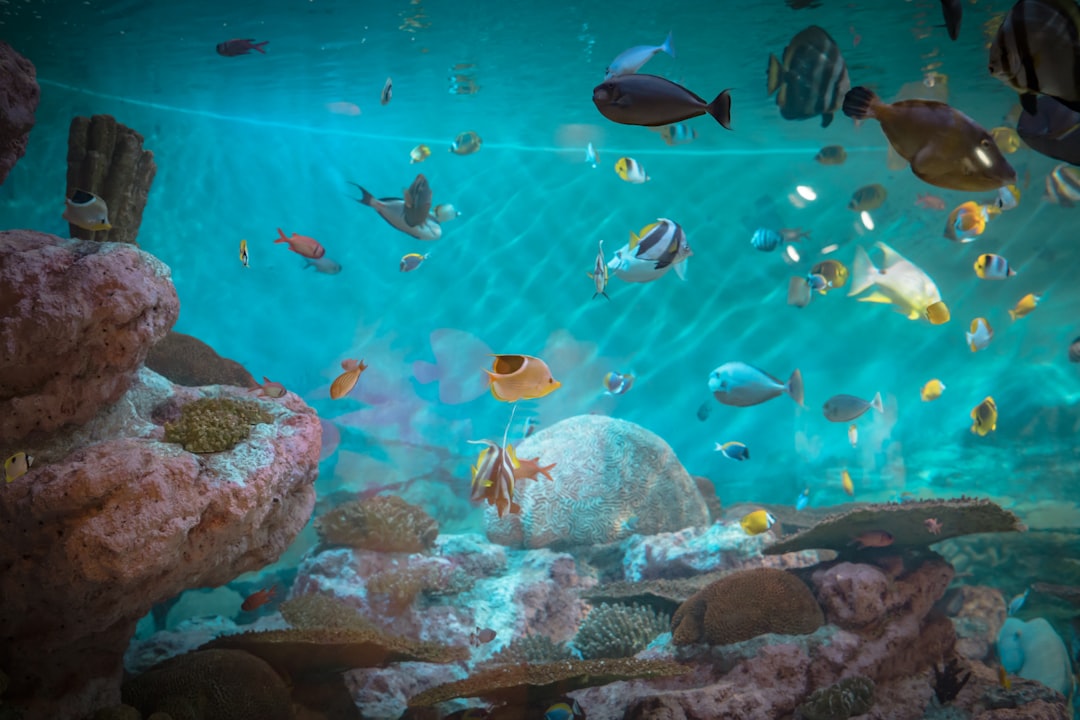
Most coral losses in the first week come down to the transition, not the tank. A careful coral acclimation temperature light protocol addresses two distinct stresses — the water chemistry shock of transport bags, and the lighting intensity gap between a shop’s LEDs and yours. This guide from Gensou Aquascaping at 5 Everton Park, Singapore lays out the float, drip, and PAR ramp steps we use on every frag that enters our systems. The method works for softies, LPS, and SPS with minor adjustments by type.
Quick Facts
- Float bag for 15-20 minutes to match temperature
- Drip acclimation: 3-5 drops per second over 45-60 minutes
- Start light at 30-50 percent of final target intensity
- Ramp light 10 percent per week over 5-8 weeks
- Place SPS on sand bed first, not on rock peak
- Dip before acclimation; never skip pest protocol
- Target final PAR: 50-150 softies, 100-200 LPS, 200-400 SPS
Why Acclimation Matters More Than Beginners Think
A transport bag sitting in a car for two hours in Singapore heat can hit 32 °C and drop pH to 7.6 from built-up CO2. Your tank sits at 25 °C and pH 8.2. Dropping that coral straight in subjects it to a 7 °C swing and a 0.6 pH jump in seconds — thermal and osmotic shock that triggers tissue recession within hours. Acclimation closes those gaps gradually so the coral expends energy on attachment, not survival.
Step 1: Float for Temperature
Float the sealed bag in your display or a quarantine container for 15-20 minutes. Do not open it yet. This brings the water inside the bag to within one degree of tank temperature without introducing external contaminants. If the bag water looks visibly brown or smells of ammonia on opening later, that is transport stress the fish or coral has already processed — the bag water is not going in your tank under any circumstance.
Step 2: Drip Acclimation
Pour bag contents into a clean container — a small plastic bucket or acclimation box. Start a slow siphon from the tank with airline tubing, tied off with a knot or valve, dripping at 3-5 drops per second. Let it run 45-60 minutes until the container volume has roughly tripled. Check temperature mid-way; if the container has cooled, raise it or add a small heater. Discard the container water at the end and transfer only the coral — never bag water — to the display.
Step 3: Coral Dip
Between the drip and final placement, dip the coral for pest control. CoralRx, Bayer Advanced, or Tropic Marin Pro Coral Cure for 5-10 minutes strips hitchhiking flatworms, nudibranchs, and red bugs. Follow with a clean saltwater rinse. Skipping this step is the single most common way hobbyists introduce Acropora-eating flatworms or zoanthid-eating nudibranchs into established reefs.
Step 4: Lighting Placement
Shop lighting is rarely as intense as a home reef display running high-end LEDs like Radion G6 or Kessil AP9X. Place every new coral on the sand bed or lowest rock for the first two weeks regardless of its eventual target position. This gives roughly 30-50 percent of final PAR and lets zooxanthellae adjust without photoshock. Bleaching and browning both trace back to skipping this step.
Step 5: Light Ramp Schedule
After two weeks on the sand, begin moving the coral upward by 5-10 cm per week while monitoring colour. A PAR meter like the Apogee MQ-510 is worth the $500 investment for multi-coral reefs; otherwise judge by tissue colour and extension. Healthy acclimating coral polyps out normally and shows gradual colour development; pale tissue or receding polyps means you moved too fast — step back.
Differences by Coral Type
Softies and zoanthids tolerate faster acclimation — 30 minute drips and immediate mid-height placement are often fine. LPS like Euphyllia and Acanthastrea want the full 60 minute drip and low-flow, moderate-light starting zones. SPS demand the strictest protocol: full drip, dip, sand-bed start, and an 8 week ramp before final high-flow, high-light placement near the top.
Common Mistakes
Dropping coral straight onto the peak of the rockwork is the classic error. So is leaving dip water in the drip container. Skipping quarantine for new frags introduces pests that take months to eradicate. In Singapore’s warm rooms a bag sitting in a car boot for 30 minutes at 4pm can already be heat-stressed — if you suspect this, skip the drip, rinse in fresh tank water, and place immediately in deep shade.
Related Reading



