

How to Set Up a Coral Frag Grow-Out Tank: Light, Flow and Racking
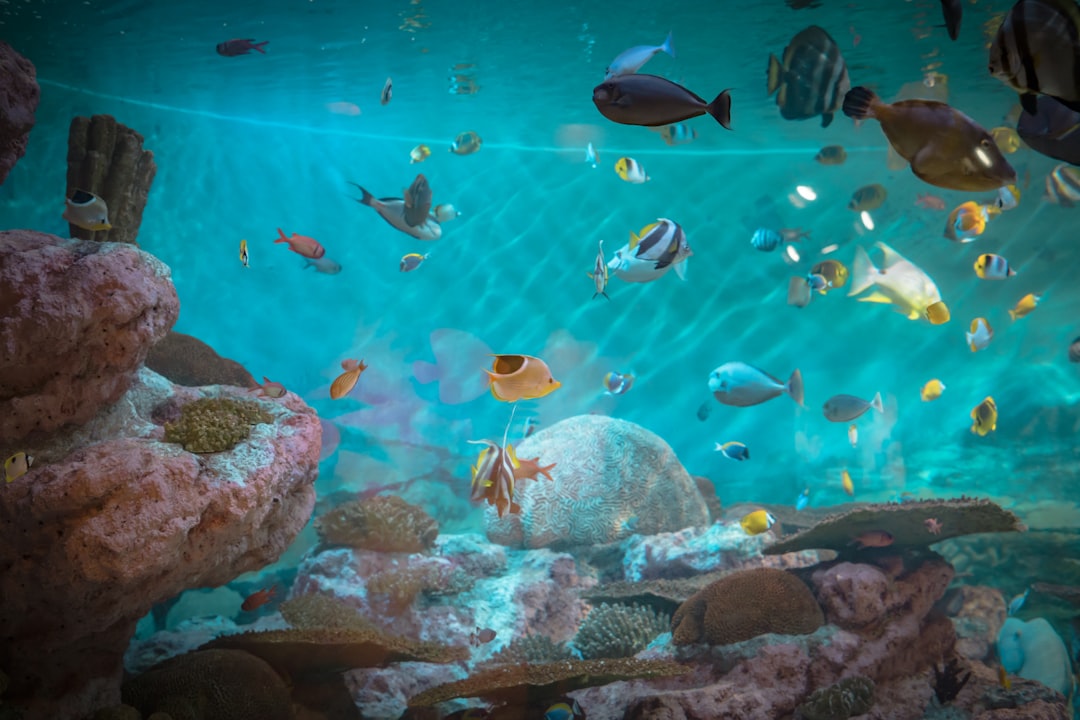
A dedicated propagation system is the single biggest upgrade a serious reefer can make. Getting your coral frag grow out tank setup right means faster healing, better colouration, and far less hassle than trying to grow frags in a busy display reef. Here at Gensou Aquascaping, 5 Everton Park, Singapore, we have run multiple frag systems over the years and refined the design down to what genuinely works in our tropical climate.
Choosing the Right Tank
Shallow tanks outperform tall ones for frag work. A standard 60 cm by 45 cm by 25 cm tank (roughly 70 litres) provides ample surface area while keeping frags close to the light source. Rimless glass tanks from local suppliers typically cost $50-80 SGD and do the job perfectly. Avoid anything taller than 30 cm for an SPS grow-out, as light penetration drops sharply beyond that depth. If you plan to grow LPS frags as well, a slightly deeper 35 cm tank works because they tolerate lower PAR levels.
Lighting for Growth and Colour
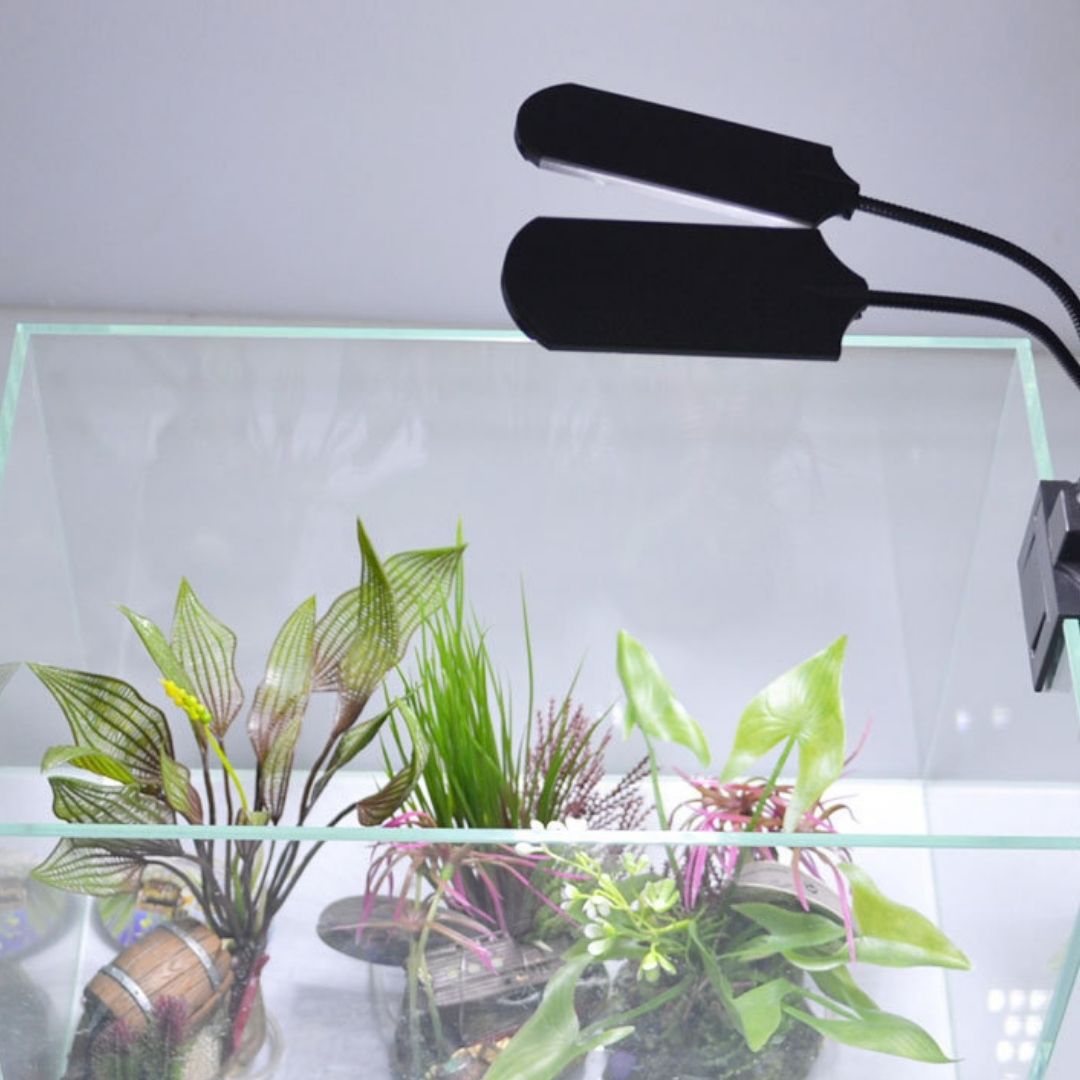
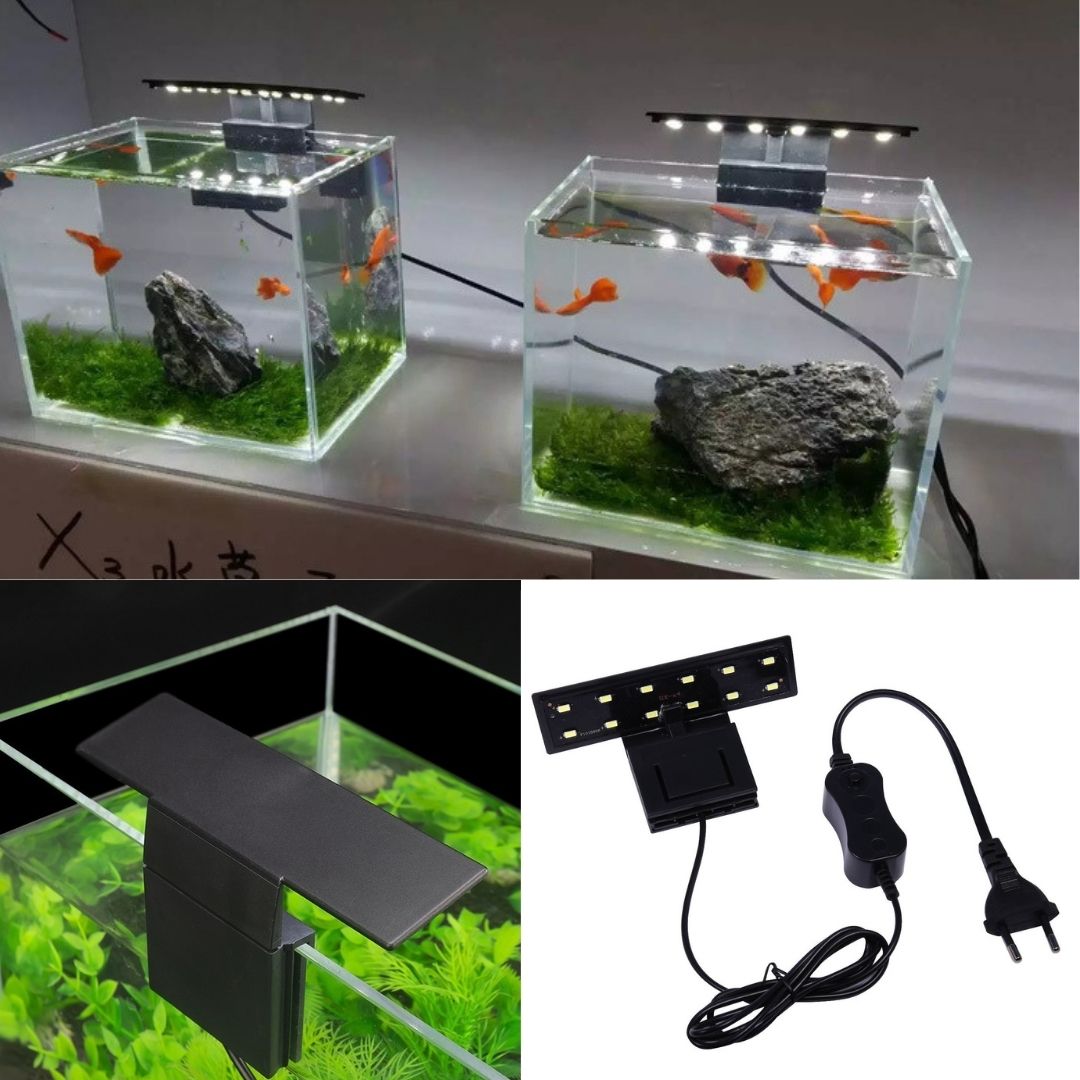
Frag tanks do not need the intense lighting of a display reef. A budget LED panel running between 150 and 250 PAR at the frag surface promotes steady growth without bleaching freshly cut pieces. Many Singapore reefers use Chinese-made black box LEDs that cost $80-150 SGD and deliver more than enough output for a shallow frag system. Mount the light 15-20 cm above the water surface and run a photoperiod of ten hours with a gentle ramp-up and ramp-down of one hour each. Blue-heavy spectrums in the 14,000-20,000 Kelvin range encourage fluorescent protein expression and show off coral colours during the grow-out phase.
Flow Patterns
Random, turbulent flow is ideal. Position a single wavemaker rated for roughly five to eight times the tank volume on one end, aimed across the surface. For a 70-litre tank, a pump pushing 500-600 litres per hour creates enough movement to keep detritus off frag plugs without blasting delicate tissue. Avoid laminar flow directly onto healing frags, as this can peel recovering tissue from the skeleton. If your budget allows, a small controller-based pump with a random mode eliminates dead spots and makes maintenance simpler.
Filtration and Water Quality
Keep it simple. A hang-on-back filter with filter floss for mechanical filtration, changed every two to three days, handles particulate removal. Running the frag tank on the same sump as your main display is even better because it provides stable parameters and a larger total water volume. If the frag tank runs independently, perform 20 percent water changes weekly using the same salt mix as your display. Maintain alkalinity at 7.5-8.5 dKH, calcium at 400-420 ppm, and magnesium at 1,300-1,350 ppm. With PUB tap water treated by a good RODI unit, your starting TDS should read zero before mixing.
Frag Racks and Organisation
Egg crate (light diffuser grid) is the classic frag rack material. Cut it to fit your tank dimensions and elevate it on PVC pipe legs about 8-10 cm above the tank bottom. This lifts frags into the light zone and allows detritus to settle underneath for easy siphoning. Frag plugs sit snugly in the grid openings. For a more polished look, acrylic magnetic frag racks from brands like Oceans Wonders or DIY versions cut from acrylic sheet work well and can be repositioned without draining the tank. Label rows with waterproof tape so you can track lineage and growth rates.
Temperature Control in Singapore
This is non-negotiable. Ambient temperatures of 28-32 degrees Celsius in Singapore will push an uncontrolled frag tank well above the safe range for SPS corals. A small chiller rated for 100-200 litres, or at minimum a clip-on fan blowing across the surface, keeps water at 25-26 degrees Celsius. Budget $300-500 SGD for a compact chiller unit. Running the frag tank in an air-conditioned room is another option, though electricity costs add up over time. Whichever method you choose, pair it with a temperature controller and alarm to catch failures early.
Stocking and Maintenance Routine
Resist the urge to overcrowd. Space frags at least 3 cm apart to prevent sweeper tentacle warfare and ensure each piece receives adequate light and flow. A weekly routine should include siphoning detritus from below the rack, replacing filter floss, topping off evaporated water with RODI, and testing alkalinity and calcium. Monthly, scrub the glass and inspect frags for pests. A well-maintained grow-out tank turns raw frags into saleable colonies in eight to twelve weeks, making the initial investment worthwhile many times over.
Related Reading