
Coral Red Pencilfish Care Guide: Crimson Hovering Beauty
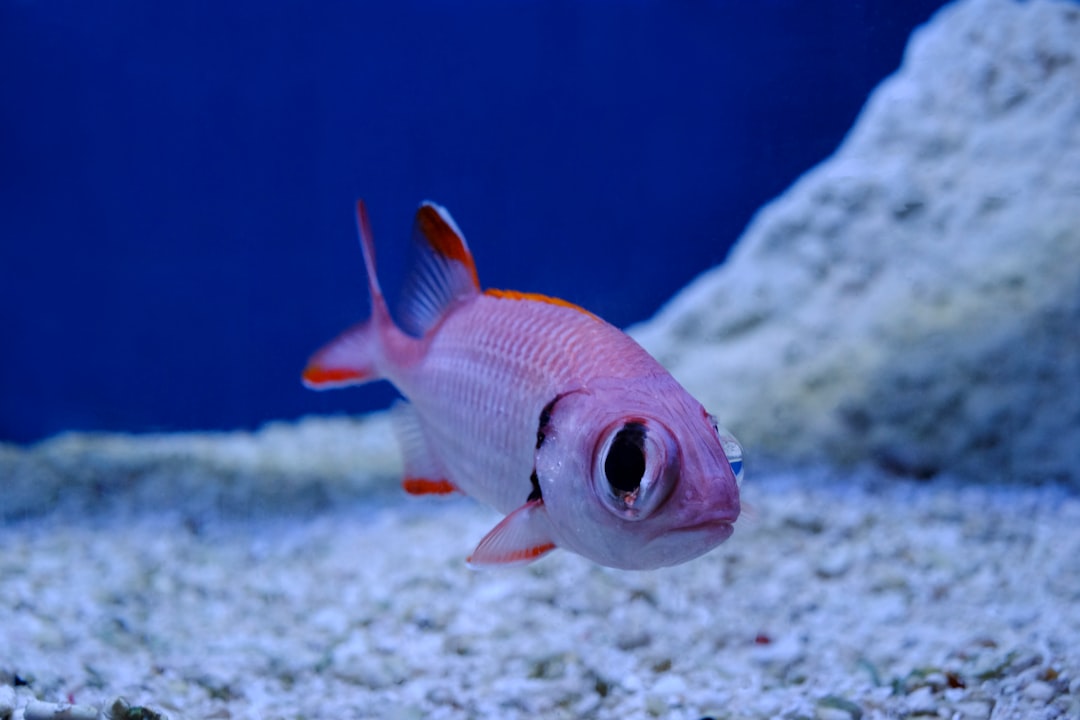
This coral red pencilfish care guide celebrates one of the most visually stunning nano fish available to aquascapers in Singapore. At Gensou Aquascaping, 5 Everton Park, we consider the coral red pencilfish a premium choice for planted tanks, combining intense crimson colour with an elegant, poised swimming style.
Species Overview and Origin
The coral red pencilfish (Nannostomus mortenthaleri) was first described in 2001 from the Rio Nanay in Peru. Males display vivid red and black horizontal bands across a slender, elongated body, earning them a reputation as one of the most colourful freshwater fish relative to their size. Females are paler, with less saturated red tones. Adults reach approximately 3 centimetres, making them ideal candidates for nano and mid-sized planted aquariums. Their habit of hovering at a slight angle, characteristic of all pencilfish, adds a unique dynamic to any aquascape.
Tank Size and Setup
A group of eight to ten coral red pencilfish does well in a tank of 60 litres or more. Provide dense plantings of fine-leaved species such as Rotala, Pogostemon helferi and mosses, along with floating plants to diffuse overhead light. These fish are most comfortable in subdued conditions with gentle flow. A dark substrate enhances their colour dramatically, making them appear even more vivid against a backdrop of lush greenery. Include driftwood and botanicals such as catappa leaves to create tannin-stained water reminiscent of their blackwater origins. This setup also pairs beautifully with popular aquascaping styles favoured in Singapore.
Water Parameters
Coral red pencilfish require soft, acidic water for optimal health and colour. Aim for a pH of 4.5 to 6.5, a temperature of 24 to 28 degrees Celsius and hardness below 8 dGH. Singapore’s tap water is moderately soft, but further softening through reverse-osmosis remineralised water or generous use of botanicals may be necessary to reach the lower end of their preferred range. Ammonia and nitrite must read zero, and nitrate should be kept below 15 parts per million. Use a gentle sponge filter or small canister filter to maintain water quality without creating strong currents.
Diet and Feeding
In the wild, coral red pencilfish feed on tiny invertebrates and organic particles. In captivity, offer a varied diet of micro pellets, crushed high-quality flakes, frozen daphnia, cyclops and baby brine shrimp. Their small mouths mean food must be appropriately sized. Feed small amounts two to three times per day rather than one large meal, ensuring all fish in the group have the opportunity to eat. Pencilfish tend to feed in the middle and upper water column, so floating or slow-sinking foods work best. Good nutrition is directly linked to the intensity of their red colouration.
Behaviour and Social Structure
Coral red pencilfish are mildly territorial, particularly the males. In a group, males establish small territories and display to one another by intensifying their colours and flaring their fins. These interactions are generally harmless and add visual interest. Keeping a ratio of two females to each male helps distribute attention and reduces persistent chasing. Despite their territorial tendencies, they are peaceful towards other species and never bother tankmates of a different shape or size. They spend most of their time hovering mid-water, occasionally darting forward to snatch a morsel of food.
Compatible Tankmates
Ideal companions include other small, peaceful species such as ember tetras, pygmy corydoras, small rasboras like Boraras brigittae, and dwarf shrimp. Avoid boisterous or fast-swimming fish that may outcompete pencilfish at feeding time. Large or aggressive species should be excluded entirely. Otocinclus catfish make excellent algae-cleaning partners without posing any threat. At Gensou Aquascaping, we often pair coral red pencilfish with Amano shrimp and a carpeting plant like Eleocharis for a striking, low-maintenance community.
Breeding Coral Red Pencilfish
Breeding this species is possible in soft, acidic water with gentle filtration. Condition pairs with high-quality live and frozen foods for two weeks. Provide clumps of fine-leaved plants or spawning mops for egg deposition. Males court females with intensified colour displays. The female scatters small adhesive eggs among vegetation. Remove adults after spawning to prevent predation. Eggs hatch within 24 to 48 hours, and fry are extremely small, requiring infusoria or commercially prepared liquid fry food for the first week before graduating to freshly hatched brine shrimp nauplii.
Health and Maintenance Tips
Coral red pencilfish are delicate compared to hardier community species. They are sensitive to parameter fluctuations and poor water quality. Acclimatise new arrivals using the drip method over at least 45 minutes. Common issues include fungal infections and ich, typically triggered by sudden temperature changes or transport stress. Maintain a strict schedule of weekly 20 per cent water changes and test parameters regularly. A stable, mature tank is preferable to a newly cycled setup. For expert help sourcing and acclimatising coral red pencilfish in Singapore, visit Gensou Aquascaping at 5 Everton Park.
Related Reading
- Red Arc Pencilfish Care Guide: Vivid Stripes That Hover
- Colombian Blue and Red Tetra Care Guide: Kerri Tetra Brilliance
- Crystal Red Shrimp Grading Guide: SSS to C Grade Explained
- Dwarf Pencilfish Care Guide: Hovering Jewels for Nano Tanks
- Fire Red Cherry Shrimp Selective Breeding: From Sakura to Painted



