
Crinum Calamistratum Care Guide: The Curly Onion Plant
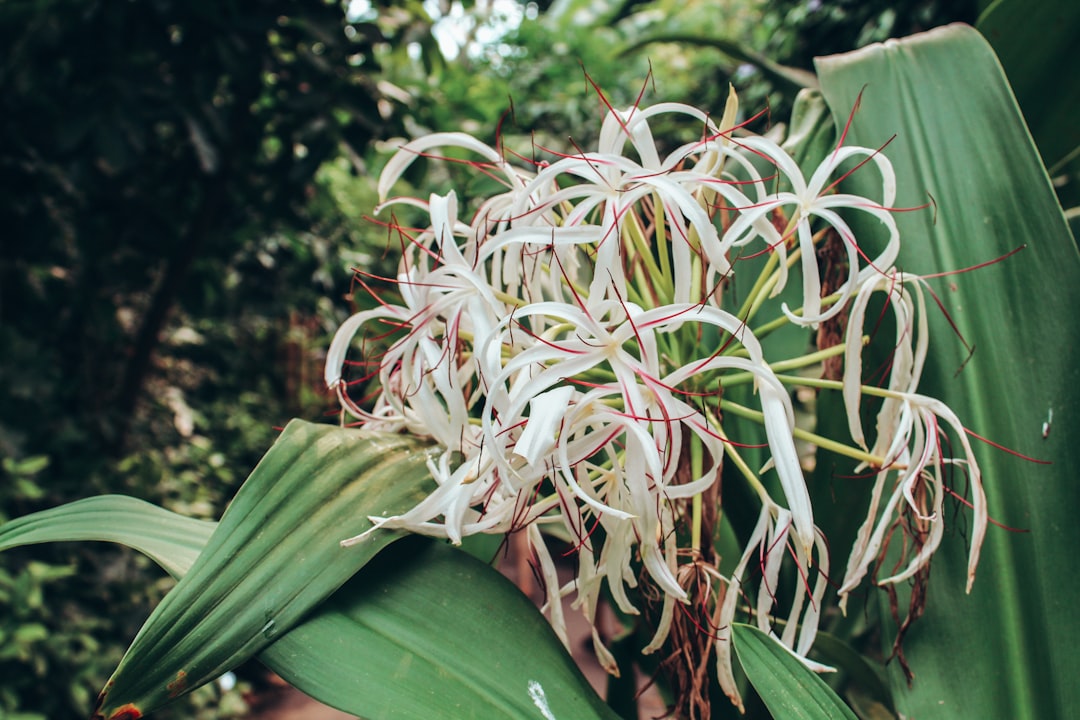
Table of Contents
- Introduction to Crinum Calamistratum
- Origin and Description
- Growing Conditions
- Substrate and Nutrition
- Propagation
- Trimming and Maintenance
- Aquascaping Uses
- Common Problems and Solutions
- Frequently Asked Questions
- Conclusion
Introduction to Crinum Calamistratum
With its long, impossibly curly, dark green leaves streaming through the water like elegant ribbons, Crinum calamistratum is one of the most striking and distinctive plants in the aquascaping hobby. Often nicknamed the “curly onion plant” owing to its onion-like bulb and corkscrew foliage, this West African species brings a level of textural interest that few other aquatic plants can match. This crinum calamistratum care guide covers every aspect of growing this extraordinary plant in Singapore’s aquarium conditions.
At Gensou, headquartered at 5 Everton Park in Singapore, we have been working with Crinum calamistratum for more than 20 years. Despite its exotic reputation, this plant is surprisingly manageable once you understand its preferences — and the results are well worth the effort.
Origin and Description
Crinum calamistratum is native to Cameroon in West Africa, where it grows in fast-flowing rivers and streams, often in rocky substrates. It belongs to the family Amaryllidaceae, the same family as terrestrial amaryllis and certain onion species, which explains its characteristic bulb.
The plant grows from a large, elongated bulb that can reach 5–8 cm in length and 2–3 cm in diameter. From the top of this bulb emerges a rosette of narrow, strap-like leaves, each heavily crinkled and curled along its entire length. Individual leaves can grow 60–120 cm long but are only about 0.5–1 cm wide. The intense crinkling causes the leaves to twist and spiral, creating a mesmerising display of flowing, curly foliage.
Key Identifying Features
- Leaf shape: Narrow, strap-like with extreme crinkling and curling
- Leaf size: 60–120 cm long, 0.5–1 cm wide
- Root system: Large onion-like bulb with thick, fleshy roots
- Colour: Dark green to olive green
- Growth form: Rosette from central bulb
- Flower: White, fragrant flowers on a tall stalk (rare in aquariums)
Growing Conditions
Crinum calamistratum is a robust plant that tolerates a wide range of conditions, though it does have some specific preferences that will help it truly flourish. Our crinum calamistratum care guide recommendations are drawn from extensive experience growing this species in Singapore’s warm climate.
| Parameter | Recommended Range |
|---|---|
| Light | Low to High (20–80+ PAR at substrate) |
| CO2 Injection | Beneficial but not required |
| Difficulty | Easy to Moderate |
| Growth Rate | Slow to Moderate |
| Height | 60–120 cm (leaves trail across surface) |
| Temperature | 22–28 °C (ideal for Singapore) |
| pH | 6.0–7.5 |
| Water Hardness | Soft to Moderate (2–15 dGH) |
Lighting Requirements
Crinum calamistratum is flexible with lighting. Under low light, the plant grows more slowly but still produces its characteristic curly leaves, albeit with longer internodal spacing between leaf bases. Medium to high light (40–80 PAR) encourages more compact rosette growth and a higher rate of new leaf production.
Because the leaves are extremely long and often trail along the water surface, the base of the plant may end up in a relatively shaded position even in well-lit tanks. This is perfectly acceptable — the upper portions of the leaves capture ample light, and the plant is well-adapted to this kind of variable light exposure.
CO2 and Water Parameters
CO2 injection noticeably improves the growth rate and overall vigour of Crinum calamistratum but is not essential. In low-tech tanks, the plant grows more slowly — which can actually be an advantage, as it reduces the frequency of maintenance. The plant’s natural habitat features well-oxygenated, flowing water, so good water circulation in your aquarium is beneficial.
Singapore’s dechlorinated tap water generally suits this species well. Slightly soft, neutral to mildly acidic water produces the best results. The plant also tolerates moderate water movement, which helps prevent debris from settling on its curly leaves.
Substrate and Nutrition
Like other bulb plants, Crinum calamistratum is a heavy root feeder. Its large bulb and extensive root system are designed to extract nutrients efficiently from the substrate, making proper planting and substrate choice especially important.
Planting the Bulb
- Select a permanent location: Crinum calamistratum does not respond well to being moved frequently. Its thick roots take time to establish, and uprooting disturbs the plant significantly. Choose your planting site carefully from the start.
- Bury correctly: Plant the bulb so that roughly the lower two-thirds is buried in the substrate, with the top third and the growing point exposed above the surface. Never bury the bulb completely.
- Allow space: The leaf spread of a mature specimen can extend 30–40 cm from the bulb. Ensure neighbouring plants are not too close, or they risk being smothered by the trailing curly leaves.
- Anchor firmly: The bulb is large and buoyant when first planted. Use small stones or plant weights around the base to prevent it from floating up before the roots take hold.
Substrate and Fertilisation
- Nutrient-rich substrate: Aquasoil or a dedicated plant substrate provides the best foundation. The plant’s thick roots will quickly colonise the surrounding 10–15 cm of substrate.
- Root tabs: Essential in inert substrates. Place two to three tabs around the bulb every six to eight weeks. Crinum calamistratum’s nutrient demands are modest compared to fast-growing stem plants, but it does require a steady supply of macronutrients.
- Iron supplementation: Like many bulb plants, Crinum calamistratum benefits from iron-rich fertilisation. Pale new leaves are a classic sign of iron deficiency.
- Liquid fertilisers: Supplement with a comprehensive liquid fertiliser for micronutrients, but remember that the bulk of nutrition should come through the roots.
Propagation
Crinum calamistratum propagates slowly, primarily through the production of daughter bulbs (offsets) from the mother plant. This is a patient process that rewards long-term cultivation.
Offset Division
- Wait for maturity: The mother plant typically needs to be well-established (often a year or more) before producing offsets. A healthy, well-fed plant in good conditions produces offsets more readily.
- Identify offsets: Small bulbs will appear at the base of the mother plant, often partially buried in the substrate. Each offset will develop its own small leaves.
- Separate carefully: Once the offset has developed three to four leaves and is roughly 3–4 cm in size, gently uproot the mother plant and twist or cut the offset free. Take care not to damage the roots of either plant.
- Replant: Plant the offset using the same technique as the original bulb — two-thirds buried, growing point exposed.
Flower and Seed Propagation
Crinum calamistratum occasionally produces a tall flower stalk bearing fragrant white blooms. This is a rare and exciting event in the aquarium. If pollination is successful (which can be done manually), seeds may develop. However, seed propagation is extremely slow and unreliable in aquarium settings, making offset division the practical choice for most hobbyists.
Trimming and Maintenance
Maintenance for Crinum calamistratum is minimal but important, given the plant’s propensity for producing extremely long leaves.
Leaf Management
- Trim old leaves: Older leaves eventually turn yellow or brown, starting from the tips. Snip these at the base of the leaf where it meets the bulb. Use long aquascaping scissors for easy access.
- Manage leaf length: In tanks shorter than 60 cm, the leaves will inevitably reach the surface and spread horizontally. You can either trim them to a preferred length or allow them to trail naturally across the surface — this creates a beautiful floating canopy effect.
- Clean the leaves: The curly texture of the leaves can trap detritus and attract algae. Gently wipe the leaves during water changes using your fingers or a soft brush. Good water circulation also helps keep the leaves clean.
- Do not move the plant: Once established, avoid uprooting Crinum calamistratum unless absolutely necessary. The plant resents being moved and may sulk for weeks, producing little new growth as it re-establishes its root system.
Aquascaping Uses
Crinum calamistratum is a sculptural plant that brings unique movement and texture to aquascapes. Its curly, flowing leaves are unlike anything else in the planted tank repertoire.
Layout Applications
- Background statement piece: Position the bulb at the rear of the tank and allow the long curly leaves to sweep upward and across the water surface. The flowing movement adds life and dynamism to static hardscapes.
- Midground focal point: In larger tanks (90 cm and above), the plant can serve as a striking midground specimen, with its curly leaves contrasting against flat-leaved species surrounding it.
- Textural contrast: Pair Crinum calamistratum with broad-leaved plants like Anubias or Echinodorus to create dramatic textural juxtaposition. The narrow, curly leaves look especially striking alongside smooth, round leaf forms.
- Biotope aquariums: For West African biotope tanks, Crinum calamistratum is an authentic and visually compelling choice, paired with African wood and stone.
- Large display tanks: In commercial and public aquariums, the plant’s dramatic size and flowing form make it a natural centrepiece. We regularly use it in our custom aquarium installations for offices and restaurants across Singapore.
Companion Plants
Crinum calamistratum pairs well with a variety of species. Consider combining it with:
- Anubias barteri (for broad-leaf contrast)
- Bolbitis heudelotii (another African species with finely divided leaves)
- Cryptocoryne wendtii (for a lush midground)
- Java moss or Christmas moss (attached to nearby hardscape for softening)
Common Problems and Solutions
Bulb Rot
Burying the bulb too deeply is the primary cause of rot. Ensure the top third remains above the substrate surface. If you detect soft, mushy tissue on the bulb, carefully remove the affected portion with a sharp, clean knife and replant in fresh substrate. If the core of the bulb is still firm and white or pale green, recovery is possible.
Extremely Slow Growth
Crinum calamistratum is naturally slow-growing, but near-zero growth usually indicates inadequate nutrition at the root zone. Check that your substrate is not exhausted and refresh root tabs. Adding CO2 injection can also significantly boost the growth rate. Be patient — even under optimal conditions, the plant produces only one to two new leaves per week.
Algae on Curly Leaves
The textured, curly surface of the leaves is prone to catching algae, particularly hair algae and green dust algae. Improve water circulation around the plant, introduce algae-grazing fauna (Amano shrimp are particularly effective), and ensure your lighting period is not excessive. A photoperiod of seven to eight hours is usually sufficient.
Leaf Tips Turning Brown
Browning leaf tips often indicate a potassium or micronutrient deficiency. Increase your fertiliser dosing, paying particular attention to potassium and iron. In some cases, excessive water current directly hitting the leaves can also cause tip damage — redirect your filter outlet if necessary.
Frequently Asked Questions
How large does Crinum calamistratum grow in an aquarium?
The leaves can reach 60–120 cm in length, though they remain very narrow (0.5–1 cm wide). In most home aquariums, the leaves will reach the surface and trail horizontally. The bulb itself grows to about 5–8 cm long. Expect the total leaf spread to cover a diameter of 30–40 cm around the bulb.
Is Crinum calamistratum suitable for beginners?
Yes, with one caveat — patience. The plant is not technically demanding, but it grows slowly and takes time to establish. Beginners who can resist the urge to uproot and reposition the plant frequently will find it a rewarding and low-maintenance species. Its tolerance of low light and absence of CO2 makes it technically easy to care for.
Can I trim Crinum calamistratum leaves to a shorter length?
You can trim individual leaves shorter, but the cut ends will not regrow. Instead, the plant will produce new full-length leaves from the centre of the rosette. If the leaves are too long for your tank, regular trimming of the oldest leaves and accepting the natural surface-trailing habit is the most practical approach. Alternatively, consider the closely related Crinum natans, which tends to produce slightly shorter leaves.
Why is my Crinum calamistratum not producing new leaves?
A newly planted bulb may take two to four weeks to begin producing visible new growth as it establishes its root system. If the plant has been established for several months without new growth, check substrate nutrition (add fresh root tabs), ensure the bulb is not buried too deeply, and verify that the bulb is still firm. A soft, decaying bulb will not produce new growth and should be replaced.
Related Reading
- Active vs Inert Substrate: Which Is Right for Your Planted Tank?
- Alternanthera Reineckii Mini Care Guide: Compact Red Carpet Plant
- Amazon Frogbit Care Guide: Shade, Filtration and Beauty
- Anchor Worm in Fish: Identification and Removal
- Anubias Barteri Round Leaf Care Guide: Broad Circular Foliage
Add Crinum Calamistratum to Your Aquascape
Crinum calamistratum is a plant that rewards patience with unparalleled beauty. Its impossibly curly, flowing leaves create a mesmerising display that no other aquatic plant can replicate. Once established, it requires minimal intervention — just steady nutrition and the occasional removal of ageing leaves. For Singapore aquascapers seeking a distinctive, long-lived focal point for their tanks, the curly onion plant is an outstanding choice.
At Gensou, we stock healthy Crinum calamistratum bulbs and can advise on the best placement and companion plants for your specific setup. With over two decades of aquascaping expertise, our team knows how to help you get the most from this exceptional species.
Visit our shop at 5 Everton Park to select a premium Crinum calamistratum bulb, or reach out to our team for expert advice. Planning a large-scale installation or custom aquascape? Explore our bespoke aquarium design services and let us create something truly unforgettable.



