DIY Fish Trap Aquarium Bottle Method Guide: Catch Without Stress
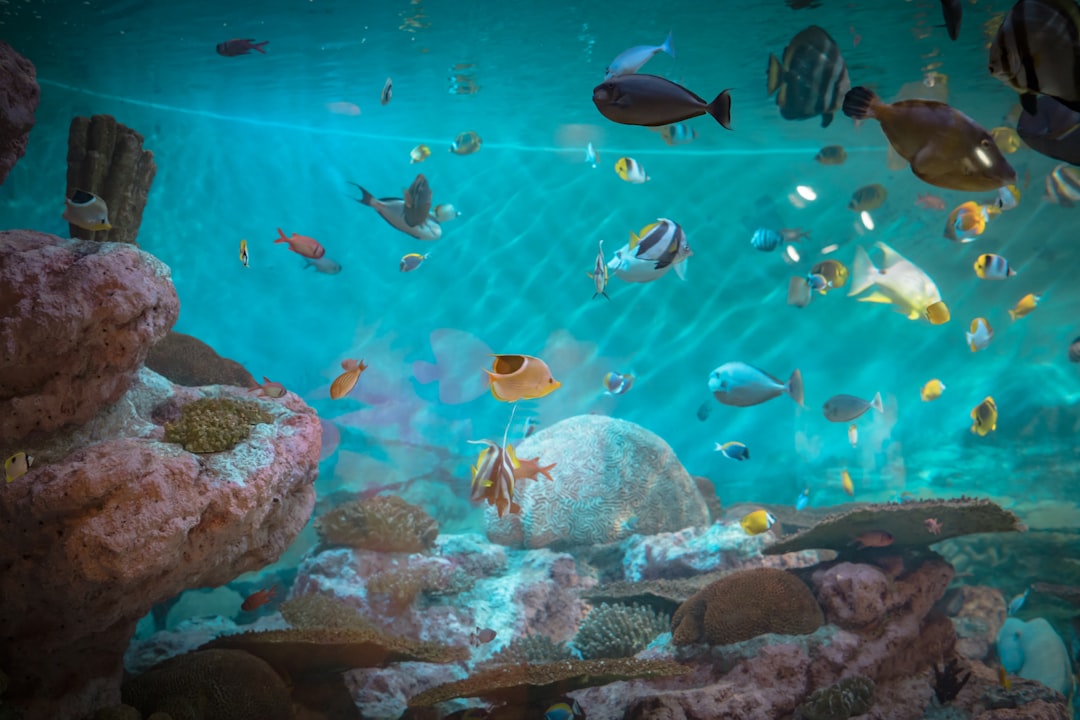
Trying to catch one specific tetra in a heavily planted 90cm scape with a hand net is how aquascapes get destroyed. Twenty minutes of chasing dislodges driftwood, uproots plants, stresses every fish in the tank, and you usually still miss the target. The hobbyist solution costs SGD 0 — an empty 1.5L Coke bottle, a pair of scissors, and forty minutes of patience. DIY fish trap aquarium builds use a funnel-inversion design that fish swim into freely but cannot find their way out of, and the bait does the work while you read a book. This guide from Gensou Aquascaping at 5 Everton Park walks through the build, the bait choice, and the patience-rewarded technique.
Materials and Tools
One empty 1.5L PET bottle, rinsed and dried (free from any household). Sharp scissors or a craft knife. A few aquarium-safe rubber bands (SGD 1 at Daiso). A short length of fishing line or string for retrieval. Bait — a few sinking pellets from your normal feeding routine, available across the fish food and feeding range. That is the entire build. Total cost effectively zero.
Why This DIY Saves Money
Branded fish traps from Aliexpress and Lazada cost SGD 12-25 plus shipping, and many are bulky moulded plastic that does not fit through aquarium rim apertures. The bottle build fits inside any tank with a top opening larger than 8cm, scales to the size of fish you target, and you simply discard the trap once the catch is complete. No storage space required.
Step 1: Cut the Bottle
Mark a horizontal line around the bottle approximately 8cm below the shoulder where the neck begins to taper. Cut along this line carefully — the cut needs to be straight for a clean reassembly later. The result is two pieces — a tall cylinder body and a shorter funnel-shaped top section.
Step 2: Invert the Top Section
Flip the funnel-shaped top piece upside down so the bottle neck points into the body. The neck opening becomes the entry hole. Slide the inverted top into the body until the cut edges meet flush. The geometry is simple — fish swim toward the wide opening, follow the funnel, and pop into the main chamber. Once inside, the only exit is the small neck hole, which they cannot find easily because instinct sends them swimming along walls rather than exploring centrally.
Step 3: Secure the Joint
Wrap two rubber bands around the bottle at the join line to lock the inverted funnel against the body. Some builders prefer staples or tape — rubber bands are kindest to fish and easiest to remove for the catch. Test the joint by lifting the trap by the body and giving a gentle shake; the funnel should not slide.
Step 4: Add a Retrieval Line
Tie a 30cm length of fishing line through one of the screw threads on the bottle neck. The line stays attached so you can pull the trap out cleanly without disturbing the rest of the tank. Knot the free end to something on the rim so the line does not fall in.
Step 5: Bait and Lower
Drop three or four sinking pellets, a small piece of bloodworm, or a flake or two into the body chamber through the funnel. Lower the trap horizontally to the substrate, oriented so the funnel opening faces toward the area where your target fish hides. Add a small rock to the body to weight it down — fresh PET bottles are buoyant.
Step 6: Wait With the Lights Dimmed
Dim the tank lights or cover the front glass with a cloth. Stay still and out of view. Most community fish enter the trap within fifteen to forty minutes of seeing food without competition. Aggressive fish like plakat bettas and male guppies enter within five minutes. Shy fish like Otocinclus and dwarf cichlids may require an hour or two of patience. Resist the urge to peek constantly.
Sealing and Finishing
No silicone is involved here, but if you plan to reuse the trap, smooth the cut edges with sandpaper or a flame briefly run along the rim to round any sharp burrs. Wash the trap with hot water and air-dry between uses to prevent biofilm carrying disease between tanks. Store the components flat to save space.
Aquasafe Test Before Use
Standard food-grade PET bottles are aquarium-safe out of the box because they are designed to hold beverages. The aquasafe check is simply that the bottle was used for water, soft drink or juice — not chemicals or solvents. Reject any bottle that previously contained bleach, detergent or oil. Rinse thoroughly with hot water before deployment. The bottle should not impart any taste or smell to fresh tap water held in it overnight.
Maintenance, Lifespan and Pitfalls
A single bottle trap lasts for ten to twenty deployments before the PET begins to crack at the cut edge. The cost is low enough that replacement is trivial. Pair the trap with proper aquarium nets from the aquascaping tools range — soft mesh nets transfer the caught fish from the trap to a bucket without injury.
Common pitfalls — skipping the dimmed-lights phase means fish stay alert and wary of the new object, and loud activity near the tank spooks the target fish away. Most importantly, do not leave the trap in the tank overnight unsupervised. Trapped fish stress quickly when caught and crowded; check every thirty minutes and lift the moment you have your target.
Related Reading