DIY Mini Biotope School Project Guide: 20L Native SG Streams
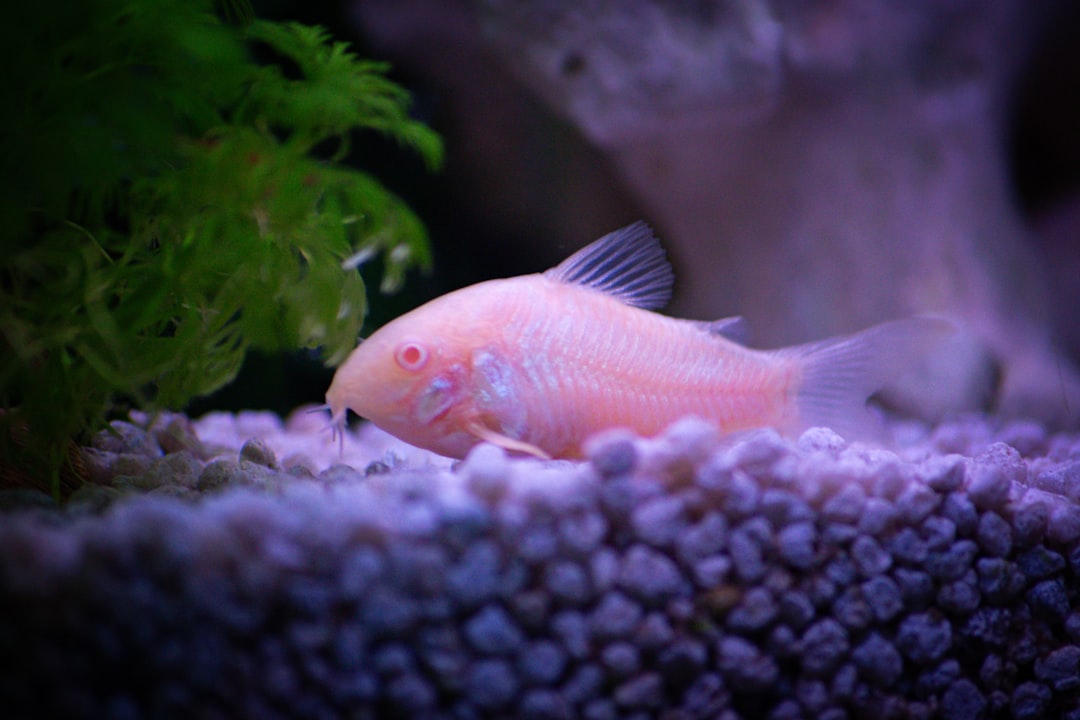
A 20-litre tank set up to mimic a shaded forest stream — leaf litter on the bottom, twisted wood, soft tannin water, and a small shoal of stream-dwelling fish — turns a Secondary 1 biology lesson into a year-long observation project that students remember decades later. This diy mini biotope school project guide from Gensou Aquascaping at 5 Everton Park outlines a Singapore-aware setup approximating the conditions of Sungei Buloh and Bukit Timah forest streams, using ethically-sourced fish substitutes since native species cannot be legally collected. The diy mini biotope school project ties directly to MOE Lower Secondary Science curriculum on ecosystems, food webs, and adaptation.
Materials and Tools
You need a 20L glass tank at SGD 25, fine river sand at SGD 6, a few pieces of seasoned mangrove or local-style driftwood at SGD 12, dried catappa and oak leaves at SGD 5 a pack, a small sponge filter at SGD 8, an air pump at SGD 12, and stocking: 6 white cloud minnows at SGD 2 each, 5 medaka ricefish at SGD 2 each, and 5 cultured Neocaridina at SGD 2 each. Total project budget under SGD 110.
Why a Biotope Differs From a Community Tank
A community tank holds species from across the world chosen for compatibility. A biotope replicates the actual conditions of one specific ecosystem — the same water chemistry, substrate, decor, and species mix the fish would encounter in the wild. The educational value comes from this fidelity: students see how every element of an ecosystem connects, rather than viewing fish as isolated specimens.
Step One: Research the Source Habitat
Before building, research what a Singapore forest stream actually looks like. Sungei Buloh and Bukit Timah streams run shaded under canopy, soft and slightly acidic (pH 5.5-6.5), with sandy beds, fallen leaves, and submerged branches. Water temperature stays around 25-27°C even at midday because of canopy cover. Native species include rasboras and danios, but collection requires NParks permits — ethical substitutes simulate the environment without taking from the wild.
Step Two: Substrate and Hardscape
Spread 3cm of fine river sand to mimic stream-bed deposition. Add two or three pieces of soaked driftwood arranged to create overhangs and shaded zones. Local driftwood from the decoration and substrate range matches the visual style. Scatter dried catappa, oak, and almond leaves across the bottom — these break down slowly, releasing tannins and feeding biofilm that shrimp graze.
Step Three: Tannin-Stained Water
Soak two or three catappa leaves in a jug of tap water for 24 hours, then add to the tank. Water should turn a clear amber, like weak black tea. This visual matches forest streams and lowers pH naturally. Use Seachem Prime for chloramine removal. No CO2 injection — biotopes prioritise authenticity over plant growth.
Step Four: Filtration and Flow
A small sponge filter run on the lowest air-pump setting provides gentle aeration without disrupting the leaf litter. Forest streams have minimal flow except during rain events. Avoid powerful canister filters; the goal is a calm pool, not a fast-flowing creek. The sponge biofilm becomes part of the food web for shrimp and minnows.
Step Five: Cycle and Stock Stages
Cycle the tank for four weeks before adding livestock. During week one, introduce a few hardy native-style aquatic plants like java fern. By week three, ammonia and nitrite test results should read zero with low nitrate. Add the white cloud minnows first — they tolerate slight imperfections. After two weeks, add medaka. Two weeks later, add the Neocaridina shrimp.
Step Six: Curriculum Tie-Ins
Use the tank to teach: nitrogen cycle (weekly water tests with a dedicated journal), food webs (shrimp eat biofilm, fish eat shrimp moults, plants take up nitrate), adaptation (why shaded fish have different colour patterns), and observation skills (timed behavioural studies). Students can sketch the tank weekly to track plant growth and biofilm development.
Maintenance Schedule
Weekly: 20 per cent water change with treated tap water, top up leaves as they decompose, wipe front pane. Monthly: rinse the sponge filter in tank water (never tap), photograph for the project log. Quarterly: replace any hardscape that has decayed beyond visual acceptability. Tank water should remain amber throughout — clear water signals catappa depletion.
Ethics and Sourcing
Singapore native fish collection from streams is restricted under the Wild Animals and Birds Act and NParks regulations. The species suggested above are commercially-bred substitutes that approximate native appearances and behaviours without ecological harm. Teach students that biotope-keeping respects the source habitat by never plundering it. Pair with a Sungei Buloh field trip if curriculum permits.
Documentation for Project Marks
Keep a structured journal: weekly water test readings, photographs from a fixed angle, observed behaviours, plant growth measurements, and any deaths with hypothesis. The journal becomes the assessable artefact. Most schools award strong marks for tanks that demonstrate sustained healthy stewardship over a full term rather than spectacular initial setups.
Related Reading