DIY Pond UV Clarifier Budget Build Guide: Inline 25W PVC Body
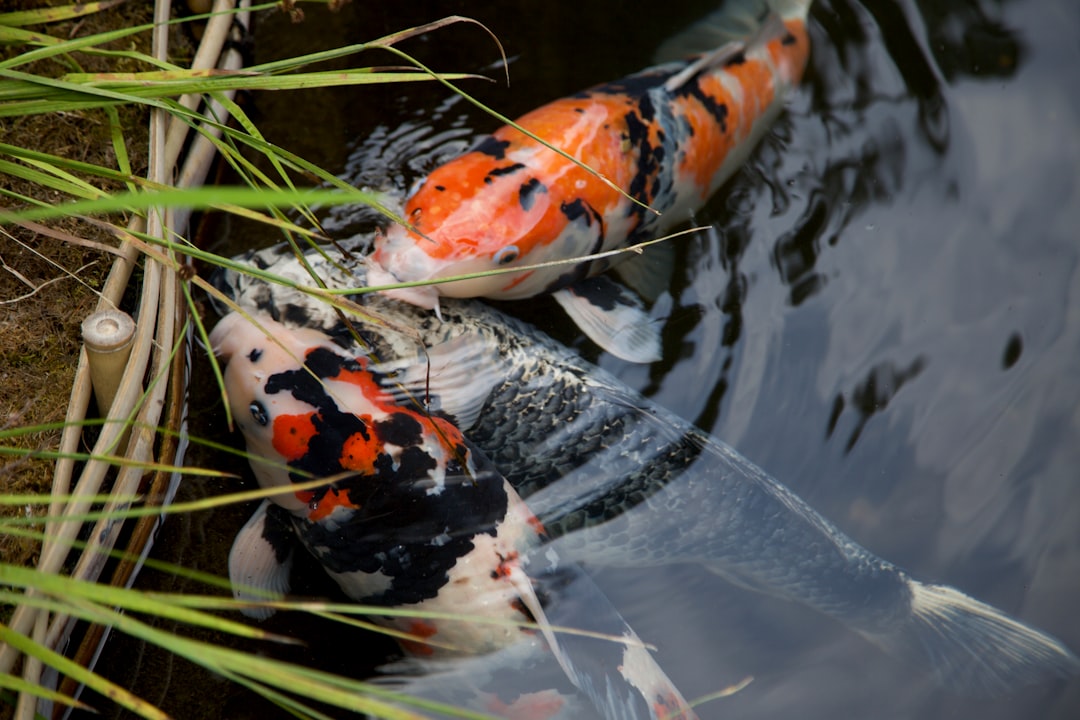
Singapore courtyard ponds turn pea-soup green within 48 hours of bright sun on a nutrient-rich water column, and commercial pond UV clarifiers retail for SGD 120-280 — eye-watering for what is essentially a quartz tube and a UV-C bulb. The same physics work in a SGD 35-50 build using a 25W mosquito-killer UV bulb and an 80mm PVC body. This diy pond uv clarifier budget guide from Gensou Aquascaping at 5 Everton Park walks through the inline plumbing, the bulb sourcing trick, and the safety steps that prevent UV exposure during maintenance. Built right, the diy pond uv clarifier budget clears 1500 litres of green water in three to five days and runs for 8000 hours before bulb replacement.
Materials and Tools
Source a 25W T8 UV-C bulb from any mosquito-zapper supplier on Carousell or Lazada at SGD 12-18 — the same bulbs used in commercial fly-killers emit 254nm. Add an 80mm internal-diameter PVC pipe at SGD 8 from any HDB hardware store, two 80mm-to-25mm reducer caps at SGD 6 each, a quartz sleeve at SGD 8 (this is the only specialty part), a T8 lampholder waterproof variant at SGD 5, and silicone sealant at SGD 4. The pump and tubing reuse your existing pond gear.
Why DIY Beats Commercial Pond UV
Commercial 25W pond UV units list at SGD 220 and use the same UV-C bulb specification as a SGD 15 mosquito-killer replacement bulb. The premium covers a moulded plastic housing, a flow-rated chamber, and the marketing budget. For a backyard koi or fancy goldfish pond under 2000 litres, a hand-built unit performs identically. Avoid this build for fish-sensitive species the moment you see weep at any seal — UV-C will damage skin and eyes in seconds.
Step One: Cut the PVC Body
Cut the 80mm pipe to 60cm — about 5cm longer than the bulb itself. Drill a 25mm hose-barb hole 5cm from each end on opposite sides; this creates the inline flow path. Sand cut edges and dry-fit the reducer caps before sealing. Test-fit the quartz sleeve inside the body; it should sit centred with the bulb suspended dry inside.
Step Two: Seal the Quartz Sleeve
The quartz sleeve isolates the bulb from water — a non-negotiable safety step because mains-voltage glass cracking inside a wet chamber kills livestock and people. Glue the sleeve through O-ring grommets at both end caps using aquarium-grade silicone. Cure for 24 hours. Pressure-test by filling with water and leaving overnight on a towel before connecting power.
Step Three: Mount the Lampholder
Drill the lampholder into one end cap, run the wires through a waterproof gland, and seal everything with marine silicone. The bulb slides into the quartz sleeve from this end, with a gentle push to seat the pins. Verify the holder is rated IP65 or higher — pond service yards see horizontal rain regularly. Add a strain relief on the mains cable.
Step Four: Plumb Inline
Position the unit downstream of your mechanical filter so debris does not shadow the bulb. A 1500-1800 litres-per-hour pump matches a 25W bulb’s contact time — too fast and water passes too quickly to absorb a lethal UV dose, too slow and the chamber overheats. Pumps from the aquarium pump range work for indoor builds; pond-rated submersibles handle outdoor flows.
Step Five: First Run and Greenwater Targeting
Switch on for 18-24 hours per day during the first week of clearing a green-water bloom. Once water clears, drop to 8-12 hours during daylight to maintain. UV-C oxidises free-floating algae cells but does nothing for biofilm or string algae attached to surfaces. For courtyard ponds in full Singapore sun, expect to run 12 hours daily year-round.
Bulb Replacement Schedule
UV-C output drops below 50 per cent of new at 8000 hours — about 11 months of continuous use. Mark the install date on the body in permanent marker and replace annually even if the bulb still glows. The visible blue light is not the germicidal output. Pair the build with quality filter media upstream so suspended particles do not coat the quartz.
Safety Protocols
Never run the bulb dry — heat builds up fast and cracks the quartz. Never look at an unshielded UV-C bulb, even briefly. Always cut mains power before opening the chamber, and wear UV-blocking eyewear during bulb swaps. Pond use means children and pets nearby; site the unit inside a closed equipment box or behind a service-only access panel.
Singapore Hard-Water Notes
Local PUB tap water tops up evaporation losses at GH 2-4, which keeps quartz sleeves cleaner than hard-water countries. Even so, wipe the sleeve with vinegar and a soft cloth quarterly to remove any biofilm. Heavy summer monsoon dilution events with debris runoff sometimes overwhelm small UV units — mechanical pre-filtration matters.
Related Reading