
Dropsy in Aquarium Fish: Causes, Symptoms and Treatment Options
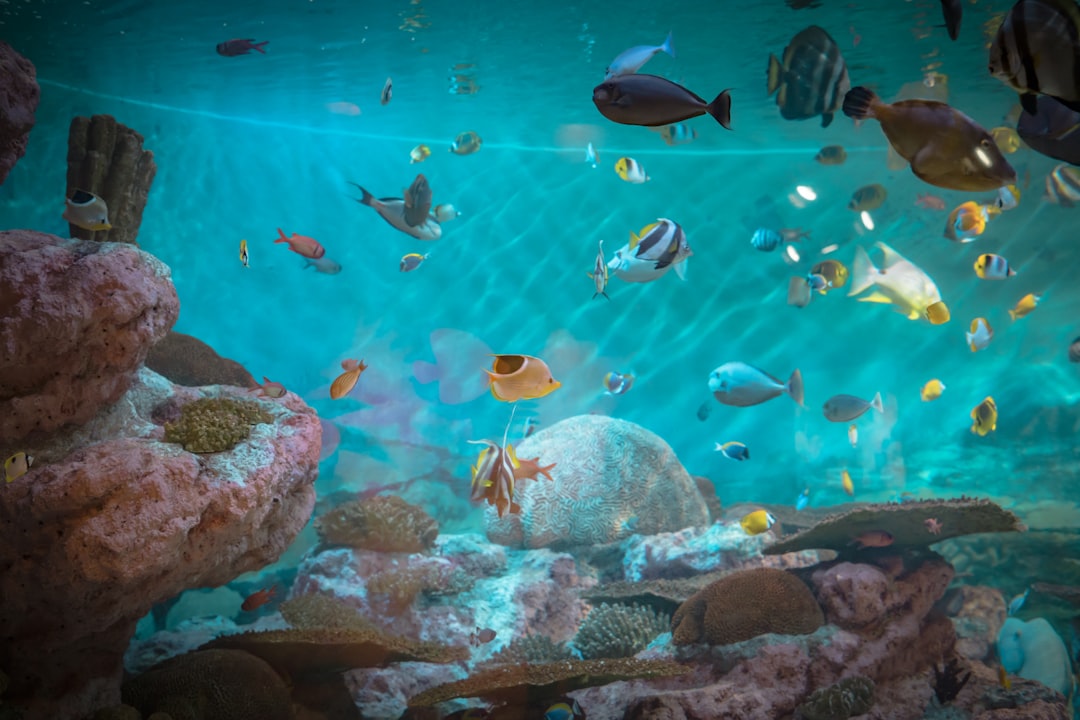
Few sights are as alarming as a beloved fish swelling up with raised scales resembling a pinecone. Dropsy aquarium fish treatment is one of the most searched topics among hobbyists, yet it remains one of the most misunderstood conditions in the hobby. At Gensou Aquascaping, 5 Everton Park, Singapore, we have treated hundreds of dropsy cases over more than 20 years and want to share what actually works, what rarely does, and how to prevent this condition from striking your tank in the first place.
What Dropsy Actually Is
Dropsy is not a disease itself but a symptom of severe internal organ failure, most commonly kidney dysfunction. Fluid accumulates in the body cavity and tissues, causing the characteristic bloating and scale protrusion. The underlying cause is usually a bacterial infection, often Aeromonas hydrophila or related gram-negative bacteria that overwhelm the fish’s immune system. Poor water quality, chronic stress and nutritional deficiencies are the typical triggers that allow these opportunistic bacteria to take hold.
Recognising the Symptoms Early
Pinecone-like raised scales are the hallmark sign, but by the time scales lift visibly, the condition is already advanced. Earlier indicators include bilateral bloating that is not related to breeding condition, lethargy, loss of appetite, pale or stringy faeces and clamped fins. Some fish develop bulging eyes alongside the swelling. Catching dropsy before the scales lift dramatically improves treatment success rates. Check your fish during feeding time when behavioural changes are easiest to spot.
Immediate Isolation and Assessment
Move the affected fish to a hospital tank immediately. A 20- to 40-litre container with a sponge filter and heater is sufficient. Match the temperature and pH of the main tank to avoid additional stress. Singapore’s ambient temperature of 28-32 degrees Celsius means tropical species rarely need a heater in the hospital tank, but a thermometer is still essential for monitoring. Assess severity honestly: if the scales are fully raised around the entire body and the fish is unresponsive, the prognosis is very poor.
Epsom Salt Therapy
Magnesium sulphate, sold as Epsom salt, helps draw excess fluid from the fish’s tissues through osmotic action. Add 1 tablespoon per 20 litres of hospital tank water. This is not a cure but a supportive measure that reduces swelling and discomfort while you address the underlying infection. Perform 50% water changes daily, re-dosing the Epsom salt with each change. Do not use table salt or aquarium salt for this purpose. They contain sodium chloride, which does not have the same osmotic properties for treating dropsy.
Antibiotic Treatment Protocol
Since gram-negative bacteria are the usual culprits, antibiotics targeting them offer the best chance of recovery. Kanamycin sulphate and combination products containing both kanamycin and nitrofurazone are commonly used. Dose according to the product instructions, typically in the hospital tank water for 7-10 days. Medicated food containing antibiotics can be more effective because the medication reaches the internal organs directly. Soak pellets in a kanamycin solution and feed small amounts twice daily. Antibiotic availability in Singapore can be limited at pet shops, but veterinary pharmacies and online suppliers on Shopee carry them.
Water Quality as Treatment
Pristine water in the hospital tank is non-negotiable. Ammonia and nitrite must read zero, and nitrate should stay below 10 ppm during treatment. Perform 50% water changes daily using dechlorinated PUB tap water matched to temperature. Clean water reduces the bacterial load the fish’s struggling immune system must fight. Many mild dropsy cases resolve with Epsom salt and impeccable water quality alone, without antibiotics, particularly in younger fish with strong constitutions.
Prevention Strategies
Preventing dropsy centres on eliminating the stressors that compromise immune function. Maintain ammonia and nitrite at zero, nitrate below 20 ppm, and perform regular partial water changes of 20-30% weekly. Feed a varied, high-quality diet with occasional garlic-soaked foods to support immune health. Avoid overstocking, which is a persistent temptation in Singapore’s vibrant fish market scene. Quarantine all new arrivals for at least two weeks before adding them to your display tank. These basic husbandry practices prevent the vast majority of dropsy cases.
When to Consider Euthanasia
This is a difficult topic but an important one. If a fish shows no improvement after 7-10 days of treatment, has fully raised scales with severe bloating and has stopped eating entirely, the humane option may be euthanasia using clove oil. Dissolve 5-10 drops per litre in a small container. Prolonging suffering in a case with no realistic chance of recovery is not kindness. Dropsy aquarium fish treatment has a success rate of roughly 25-30% once scales are fully raised, so early detection remains your most powerful tool.
Related Reading
- Aquarium Dropsy Treatment Guide: Recognise the Pine Cone
- Dropsy in Fish: Causes, Symptoms and Treatment Options
- Anchor Worm in Fish: Identification and Removal
- Anchor Worm Treatment Guide: Lernaea Parasite Removal and Prevention
- Acriflavine in Aquariums: Antiseptic Treatment for Wounds and Parasites



