
Dwarf Sagittaria Care Guide: Grass-Like and Beginner-Proof
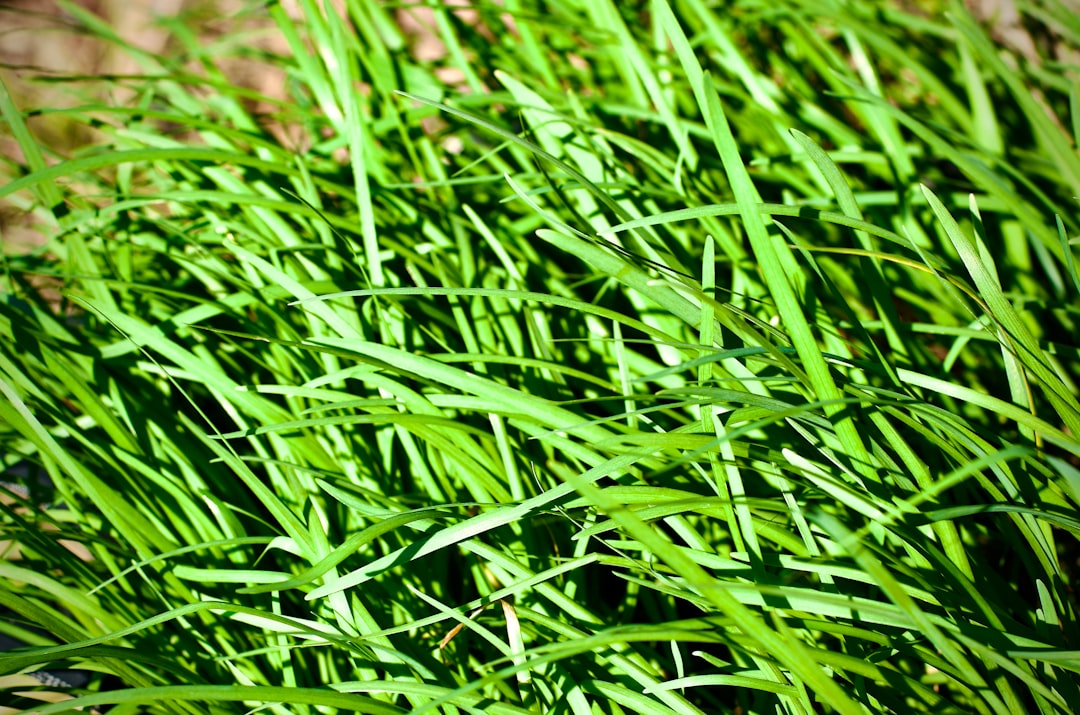
If you want the look of an underwater meadow without the difficulty of a demanding carpeting plant, Dwarf Sagittaria is your answer. This grass-like plant spreads by runners, tolerates a wide range of conditions, and asks for almost nothing in return. It is one of the easiest foreground-to-midground plants available, and it thrives in Singapore’s warm water without CO2 injection.
At Gensou, we have been growing and recommending Sagittaria subulata for over 20 years. Whether you are setting up your first planted tank in an HDB flat or designing a natural biotope aquascape in a custom condo installation, this plant delivers reliable results with minimal fuss.
What Is Dwarf Sagittaria?
Sagittaria subulata, commonly known as Dwarf Sagittaria or Dwarf Sag, is a small rosette plant native to the eastern Americas. It belongs to the family Alismataceae, which also includes larger Sagittaria species used in ponds and the closely related Echinodorus genus. In the aquarium hobby, it has earned a well-deserved reputation as one of the most beginner-friendly foreground plants available.
The plant forms compact rosettes of narrow, grass-like leaves that grow 5–15 cm tall depending on conditions. It spreads horizontally through runners (stolons), gradually filling in the substrate to create a natural, meadow-like effect. Given time and reasonable conditions, a handful of initial plants can carpet the entire foreground of a tank.
Appearance and Growth Habit
Dwarf Sagittaria’s leaves are narrow, slightly curved, and bright to medium green. They emerge from a central rosette and arch gently, creating a flowing, grass-like appearance that sways attractively in water current. The overall effect is remarkably natural — it looks like it belongs in a stream or riverbank, which is exactly where it grows in the wild.
Growth habit varies with conditions:
- Under low to moderate light — leaves tend to grow taller (10–15 cm), stretching upward toward the light. This makes it suitable as a midground plant.
- Under high light — leaves stay shorter and more compact (5–10 cm), behaving more as a true foreground carpeting plant.
- With CO2 — growth is faster and denser, though the plant does not require it.
Care Requirements
| Parameter | Recommended Range | Notes |
|---|---|---|
| Light | Low to high | Adapts to virtually any light level |
| CO2 | Not needed | Benefits slightly but thrives without |
| Temperature | 18–30 °C | Handles SG ambient (28–32 °C) well |
| pH | 6.0–8.0 | Very flexible |
| GH | 2–15 dGH | Tolerates both soft and moderately hard water |
| Substrate | Any (nutrient-rich preferred) | Root feeder; root tabs help in inert substrates |
| Growth Rate | Moderate | Spreads steadily via runners |
Light
Dwarf Sagittaria is genuinely flexible regarding light. It survives under the most basic aquarium lights and grows happily under high-output LEDs. The main difference is height: lower light produces taller, leggier plants, while higher light keeps them compact. For a foreground carpet effect, aim for at least moderate light (30–50 PAR at substrate level).
CO2
This is one of the few carpeting-capable plants that truly does not need CO2 injection. It will grow, spread and fill in without any supplemental carbon. CO2 accelerates the process but is entirely optional. This makes Dwarf Sagittaria ideal for low-tech tanks and beginners who are not ready to invest in a CO2 system.
Singapore Water Conditions
Dwarf Sagittaria handles Singapore’s water conditions with ease. PUB’s chloramine-treated tap water just needs standard dechlorination. The plant tolerates our typical tap water parameters (3–5 dGH, pH around 7.0) without issue. It even handles the warmer end of our ambient temperature range (28–32 °C), though growth may slow slightly above 30 °C compared to its optimum around 24–28 °C.
One advantage for Singapore hobbyists: Dwarf Sagittaria actually tolerates harder water better than many popular carpeting plants like Glossostigma or HC Cuba. If your tap water is on the harder side or you keep African cichlids, this plant still performs.
Root Feeding and Substrate
Dwarf Sagittaria is primarily a root feeder. While it absorbs some nutrients through its leaves from the water column, it draws most of its nutrition through a well-developed root system. This has practical implications for how you set up your tank:
Nutrient-Rich Substrates
The easiest approach is to use an aquasoil or nutrient-rich substrate from the start. Products like ADA Amazonia, Tropica Aquarium Soil or UNS Controsoil provide a ready supply of nutrients that Dwarf Sagittaria can access immediately. In these substrates, the plant typically requires no additional root feeding for the first six to twelve months.
Inert Substrates with Root Tabs
If you are using sand, gravel or another inert substrate, root tabs are essential. Push a root tab into the substrate within 3–5 cm of each plant cluster every four to eight weeks. Without root feeding in inert substrates, Dwarf Sagittaria will grow slowly, develop pale leaves, and may eventually stall completely.
Planting Tips
- Plant individual rosettes 3–5 cm apart — they will fill in the gaps via runners.
- Bury the roots completely but keep the crown (where leaves emerge) above the substrate surface.
- Do not plant too deep — buried crowns can rot.
- Use fine-grained substrate (1–3 mm) if possible, as runners spread more easily through finer material.
Spreading by Runners
The most appealing aspect of Dwarf Sagittaria is its ability to spread naturally through runners. The parent plant sends out horizontal stolons just below the substrate surface, and new plantlets emerge at intervals along these runners. Each new plantlet develops its own root system and becomes an independent plant.
The spreading process typically begins two to four weeks after planting, once the plant has established its root system. In Singapore’s warm water, runner production tends to be robust. A group of ten plants can easily expand to cover a 30 x 30 cm area within two to three months, depending on light and nutrient availability.
This self-propagation is what makes Dwarf Sagittaria so appealing for foreground carpets. Unlike stem plants that need to be manually trimmed and replanted, or demanding carpeting plants that require precise conditions, Dwarf Sag simply fills in on its own. You plant it, feed it, and let nature do the rest.
Trimming and Controlling Spread
The flip side of enthusiastic runner production is that Dwarf Sagittaria can spread into areas where you do not want it. In a small HDB nano tank, this can become an issue within a few months. Here is how to manage it:
Height Trimming
If leaves grow taller than desired, simply trim them with aquascaping scissors. Cut leaves at your preferred height. The plant will not grow the trimmed leaf back to full length, but new, shorter leaves will emerge from the rosette. Regular trimming encourages the plant to stay compact.
Controlling Horizontal Spread
- Physical barriers — use small pieces of slate, plastic dividers or even stainless steel mesh buried vertically in the substrate to block runners from crossing into other areas of the tank.
- Manual removal — periodically pull up runners and plantlets that have encroached into unwanted areas. This is easy to do during routine maintenance.
- Hardscape borders — rocks and driftwood positioned along the edge of your Dwarf Sag area can slow (though not completely stop) runner spread.
Comparison with Vallisneria
Dwarf Sagittaria and Vallisneria are frequently compared because both are grass-like rosette plants that spread by runners. Here is how they differ:
| Feature | Dwarf Sagittaria | Vallisneria (V. nana / V. spiralis) |
|---|---|---|
| Maximum height | 5–15 cm | 15–60+ cm (species dependent) |
| Leaf shape | Narrow, slightly curved | Narrow, ribbon-like, often longer |
| Placement | Foreground to midground | Midground to background |
| Runner production | Moderate | Aggressive |
| CO2 tolerance | Grows with or without | Grows without; excess CO2 can cause melt in some species |
| Difficulty | Very easy | Very easy |
| Aquascaping style | Natural, meadow-like | Jungle, flowing background |
In essence, Dwarf Sagittaria is the short version. If you want a grassy look in the foreground or midground, choose Dwarf Sag. If you want tall, flowing grass in the background, choose Vallisneria. Many aquascapers use both in the same tank, creating a graduated grassland effect from front to back.
Aquascaping Uses
Dwarf Sagittaria shines in naturalistic and biotope-style aquascapes. Here are some popular applications:
- Natural foreground carpet — plant densely across the front of the tank for a meadow effect. Less manicured than HC Cuba or Monte Carlo, but far easier to maintain.
- Biotope tanks — Sagittaria subulata is native to the Americas, making it appropriate for North or South American biotope setups.
- Transition zones — use Dwarf Sag between the foreground carpet and taller midground or background plants for a smooth height transition.
- Around hardscape — plant it around the base of rocks and driftwood to soften the transition between hardscape and substrate.
- Low-tech tanks — in tanks without CO2, where demanding carpeting plants fail, Dwarf Sagittaria provides a green carpet alternative that actually works.
For more on building natural-looking planted tanks, see our aquascaping styles guide. If you are interested in other beginner-friendly plants that pair well with Dwarf Sag, our easy aquarium plants for beginners guide has additional suggestions.
Frequently Asked Questions
Why is my Dwarf Sagittaria turning yellow?
Yellowing leaves almost always indicate nutrient deficiency, particularly iron or nitrogen. Since Dwarf Sag is a root feeder, the fix is usually adding root tabs rather than liquid fertiliser. Push a root tab into the substrate near the affected plants and you should see improvement within one to two weeks. If the entire plant is pale, consider whether your substrate has been depleted — aquasoils lose nutrients over time and may need supplementation after six to twelve months.
How long does it take for Dwarf Sagittaria to carpet?
In a well-lit tank with nutrient-rich substrate, expect reasonable coverage (about 80% fill) within two to three months from an initial planting of one rosette per 5 cm. Without CO2, this may stretch to four to five months. In Singapore’s warm water, growth is generally on the faster end of this range. Patience is key — once runners start producing plantlets, the carpet fills in exponentially.
Can Dwarf Sagittaria grow in gravel?
Yes, but you must supplement with root tabs. In plain gravel without any nutrient source, the plant will slowly starve. Root tabs every four to six weeks, placed within a few centimetres of the plant clusters, provide the nutrients needed for healthy growth. Fine gravel (2–4 mm) is preferable to coarse gravel, as runners navigate more easily through smaller grain sizes.
Is Dwarf Sagittaria compatible with African cichlids?
Surprisingly, yes. Dwarf Sagittaria is one of the few aquarium plants that tolerates the higher pH and harder water typical of African cichlid setups. However, many cichlids are notorious plant uprouters. Dwarf Sag’s runner network gives it some resilience against digging, but heavily planted cichlid tanks remain a challenge regardless of species choice.
Start Your Dwarf Sagittaria Carpet
Looking for healthy Dwarf Sagittaria to start your underwater meadow? Visit us at Gensou, 5 Everton Park, Singapore. With over 20 years of planted tank expertise, our team can help you choose the right substrate, planting density and care routine for your specific setup — whether it is a nano tank in your HDB study or a large display aquarium in your condo living room. Contact us or drop by any time.
Related Reading
- Dwarf Hairgrass Dry Start Method: Eleocharis Carpet From Seed to Flood
- How to Grow Dwarf Baby Tears Without CO2 Injection
- Aquascaping With Dwarf Sagittaria Only: Grass Fields Underwater
- Active vs Inert Substrate: Which Is Right for Your Planted Tank?
- Alternanthera Reineckii Mini Care Guide: Compact Red Carpet Plant



