
Electric Yellow Lab Cichlid Care Guide: Bright and Beginner-Friendly
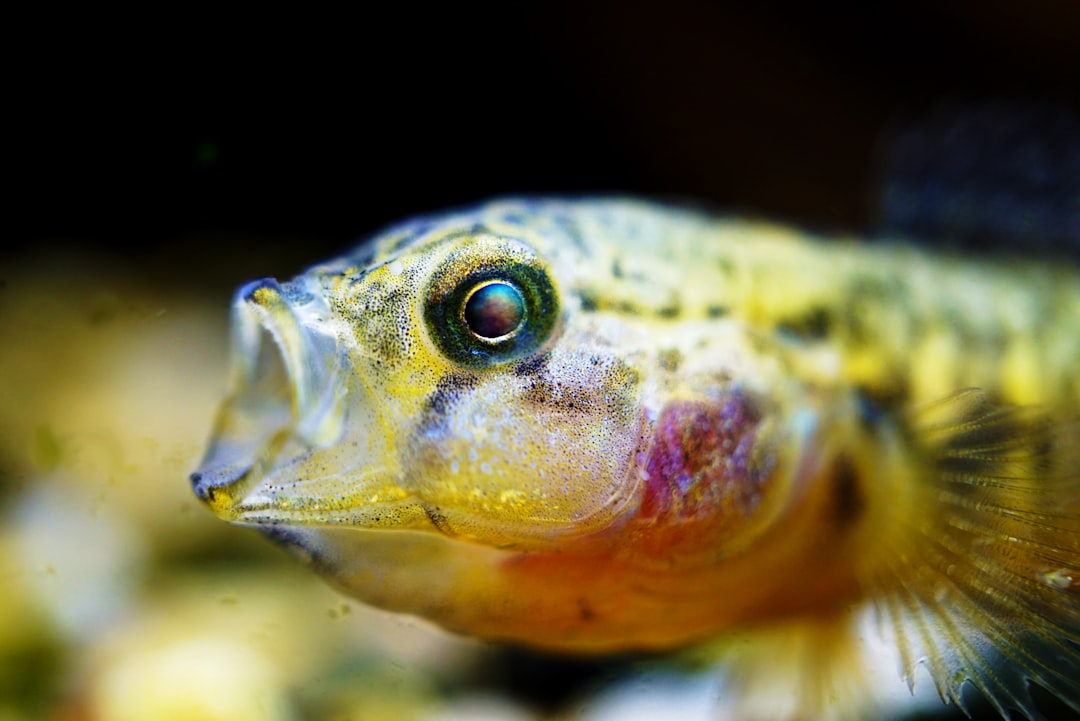
The electric yellow lab (Labidochromis caeruleus) is arguably the most popular African cichlid for beginners. Its vibrant lemon-yellow colouration, manageable size and relatively mild temperament make it a standout choice for anyone venturing into the Mbuna world. This electric yellow lab cichlid care guide from Gensou Aquascaping, located at 5 Everton Park with over 20 years of experience, covers everything you need to succeed in Singapore. This guide sits inside our broader Tropical Fish Species Master Index reference.
Species Overview
Electric yellow labs originate from the rocky shores of Lake Malawi in East Africa. They grow to 10–13 cm and typically live six to ten years in captivity. Males display more intense yellow colouration with prominent black edging on their dorsal and anal fins. Despite being Mbuna cichlids — a group known for aggression — yellow labs are among the most peaceful members of this family.
Tank Setup
A minimum of 200 litres is recommended for a group of six to eight yellow labs. Recreate their natural rocky habitat with stacked limestone, ocean rock or Texas holey rock to create caves and hiding spots. Each fish needs its own territory, so provide more hiding places than fish. Aragonite sand or crushed coral substrate helps buffer the water to the alkaline pH these fish require.
Water Parameters
Yellow labs thrive in hard, alkaline water: pH 7.5–8.5, GH 10–20 dGH and KH 6–12 dKH. Temperature should be maintained between 24 °C and 28 °C — comfortably within Singapore’s range. Singapore’s tap water is typically too soft for Malawi cichlids, so you will need to add mineral buffers or use crushed coral in the filter to raise hardness and pH.
Diet and Feeding
In the wild, yellow labs feed primarily on invertebrates found among rocks, making them more carnivorous than many other Mbuna. In captivity, offer a quality cichlid pellet as a staple, supplemented with frozen brine shrimp, mysis shrimp and spirulina-based foods. Avoid feeding mammalian protein like beefheart, which can cause bloat — a serious and often fatal condition in African cichlids.
Tank Mates
Yellow labs coexist well with other mild-mannered Mbuna such as rusty cichlids (Iodotropheus sprengerae), acei cichlids and peacock cichlids. Avoid housing them with highly aggressive Mbuna like auratus or kenyi cichlids. Do not keep yellow labs with species of similar colour, as this increases territorial aggression. A single-species tank also works beautifully, showcasing their schooling behaviour.
Breeding
Yellow labs are maternal mouthbrooders. The female picks up fertilised eggs and incubates them in her mouth for approximately three weeks, during which she does not eat. Fry are released as fully formed miniatures, about 1 cm long. To increase fry survival, move the holding female to a separate tank or provide dense rockwork where fry can hide. A ratio of one male to three or four females reduces harassment.
Common Health Issues
Malawi bloat is the primary concern — symptoms include swelling, loss of appetite and white, stringy faeces. It is often caused by poor diet or stress. Maintain excellent water quality, avoid overfeeding and provide a varied diet to prevent it. Ich can also occur, particularly after temperature drops or new introductions without quarantine.
Singapore-Specific Tips
Singapore’s soft, slightly acidic tap water needs buffering for Malawi cichlids. Add crushed coral to your filter, use Malawi buffer salts or mix aragonite into the substrate. Many local shops along Serangoon North stock quality yellow labs. Temperature is rarely an issue in Singapore, but ensure good oxygenation with adequate surface agitation or an air pump, as warm water holds less dissolved oxygen.
Conclusion
The electric yellow lab cichlid combines stunning colour with approachable care requirements, making it the ideal gateway into African cichlid keeping. Visit Gensou Aquascaping at 5 Everton Park for expert guidance on creating the perfect Malawi setup.



