
How to Breed Ember Tetras: From Conditioning to Free-Swimming Fry
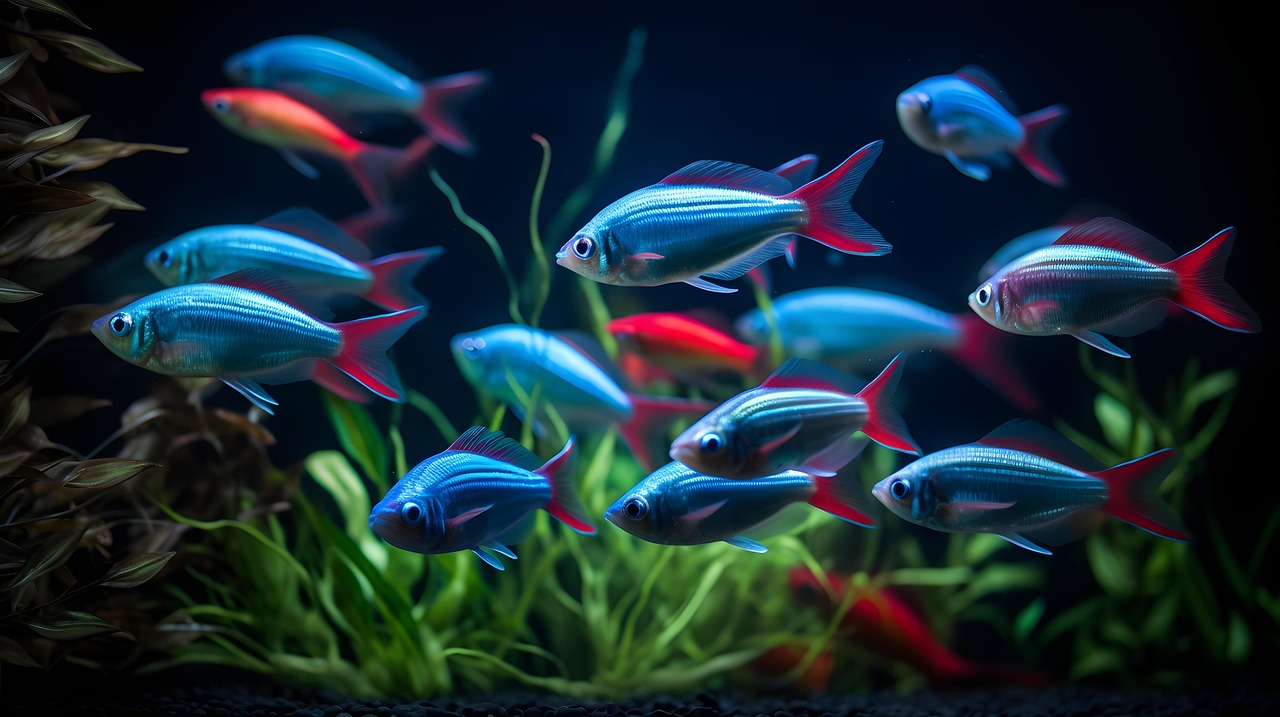
Watching a shoal of Hyphessobrycon amandae glow like tiny embers is satisfying enough, but raising their fry from eggs takes the experience to another level. This breed ember tetra guide from Gensou Aquascaping at 5 Everton Park, Singapore, details the full process from selecting breeders to growing out free-swimming fry. Ember tetras are among the more approachable nano fish to breed, making them an excellent first project for hobbyists looking to move beyond livebearers.
Selecting Breeding Stock
Choose adults that are at least six months old and display vivid orange-red colouration. Males are slimmer and slightly more intensely coloured, while gravid females show a noticeable roundness in the belly when viewed from above. Pick four to six of the healthiest specimens from your main tank. Avoid any fish with faded colour, clamped fins, or visible signs of disease. Quality breeders produce quality fry.
Conditioning Period
Move the selected group to a 20-litre conditioning tank and feed them heavily with live or frozen foods for 10-14 days. Baby brine shrimp, daphnia, and grindal worms are all excellent choices. Feed three small meals daily rather than one large one. Females should become visibly plumper as they fill with eggs. Maintain the conditioning tank at 26-27 degrees C with soft, slightly acidic water, which Singapore’s dechlorinated tap water provides almost naturally.
The Breeding Tank
Set up a separate 15-20 litre spawning tank with aged water at pH 5.5-6.5 and GH 2-5. A bare bottom works well, but placing a layer of glass marbles or a fine mesh 2 cm above the base prevents the adults from eating fallen eggs. Add a generous clump of Java moss or spawning mops as egg-catching surfaces. Filtration should be a gentle sponge filter only. Keep the tank dimly lit, with just enough light to observe activity.
Triggering Spawning
Transfer the conditioned group to the spawning tank in the evening. A slight temperature drop of 1-2 degrees C during the water transfer often triggers spawning the following morning. Males will chase females through the moss, and eggs are scattered among the fine leaves. Each female can release 20-40 eggs per session. Spawning usually occurs within the first two hours of daylight. Remove the adults promptly once activity subsides to protect the eggs.
Egg Development and Hatching
Ember tetra eggs are tiny, semi-transparent spheres about 0.8 mm in diameter. They hatch in 24-36 hours at 26 degrees C. Adding a drop of methylene blue to the spawning tank reduces fungal growth on unfertilised eggs. The newly hatched larvae are nearly invisible, clinging to surfaces with their yolk sacs. They become free-swimming roughly 48 hours after hatching, at which point feeding must begin immediately.
Feeding the Fry
First food is critical. Infusoria, paramecium cultures, or commercial liquid fry food sustain the fry for the first five to seven days. After that, introduce freshly hatched baby brine shrimp nauplii, which the fry can manage despite their small mouths. Micro worms and powdered spirulina flake serve as useful supplements. Feed small amounts four times daily and remove uneaten food with a pipette to prevent ammonia spikes in the tiny volume.
Growing Out
Fry growth is steady but not fast. Expect them to reach 1 cm at around six weeks. Perform 10-15 percent water changes every two days, matching temperature and chemistry precisely. Colour begins developing at roughly eight weeks, starting as a faint peach tone that deepens over subsequent months. At three months, juveniles are large enough to join a community nano tank. A healthy spawn can yield 30-60 juveniles, more than enough to refresh your shoal or share with fellow hobbyists on Carousell.
Troubleshooting
If no eggs appear after two mornings, return the fish to the conditioning tank for another week of live food feeding. Low fertility often indicates the water is too hard; test GH and lower it below 5 if needed. Fry losses in the first 48 hours usually point to starvation, so always have your infusoria culture established before attempting a spawn. With practice, this breed ember tetra guide becomes a repeatable recipe for success. The team at Gensou Aquascaping is happy to advise on live food setups and nano breeding gear.
Related Reading



