
Firemouth Cichlid Care Guide: Fiery Displays and Easy Breeding
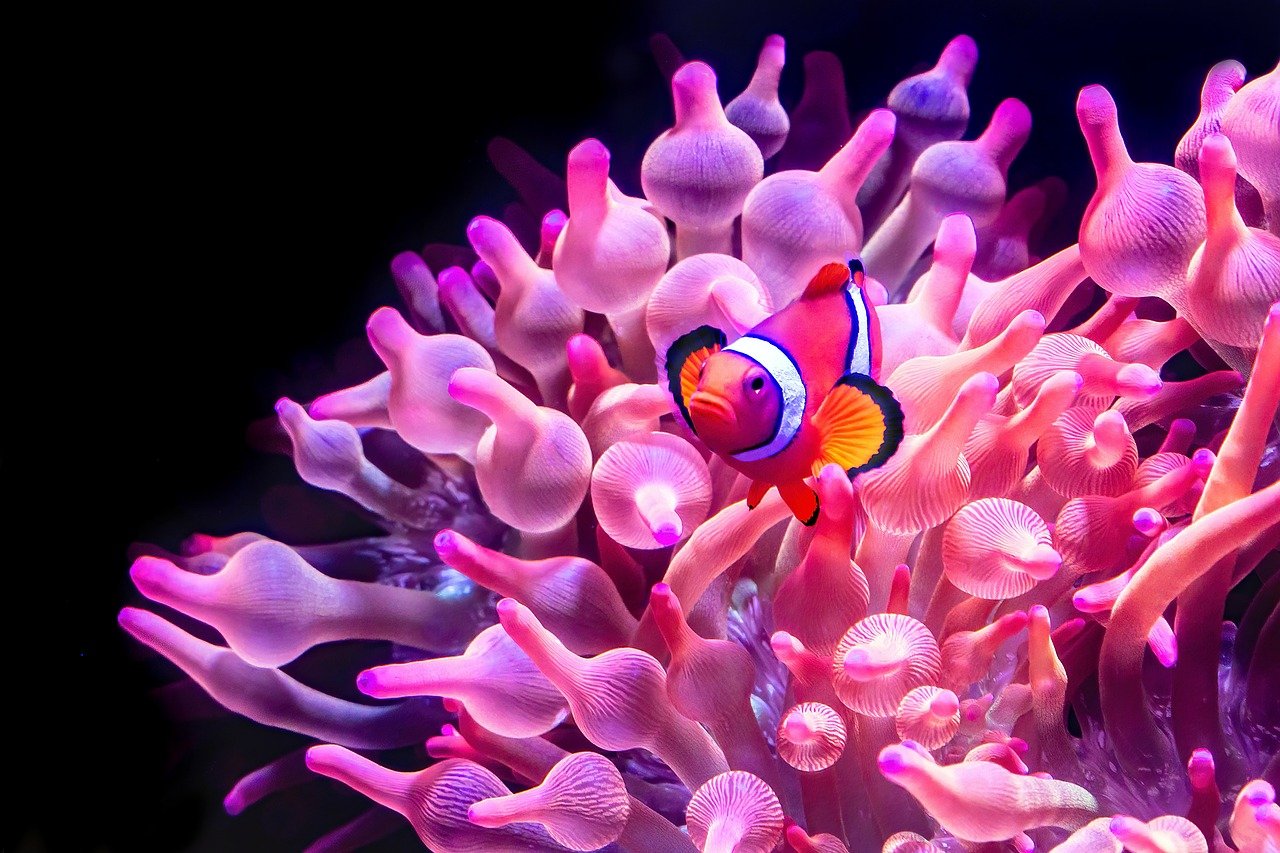
The firemouth cichlid (Thorichthys meeki) is one of the most recognisable Central American cichlids in the freshwater hobby. Named for the vivid red-orange colouration that flares beneath its jaw during territorial displays, this species combines stunning looks with manageable care requirements. If you have been searching for a comprehensive firemouth cichlid care guide tailored to Singapore’s tropical conditions, you are in the right place. At Gensou Aquascaping, located at 5 Everton Park with over 20 years of experience, we have helped countless hobbyists set up thriving cichlid tanks in HDB flats and landed homes alike. This guide sits inside our broader Tropical Fish Species Master Index reference.
This guide covers everything from water parameters and tank setup to feeding, breeding and compatible tank mates, all with practical advice for keeping firemouths healthy in Singapore’s warm climate.
Table of Contents
- Species Overview and Origin
- Tank Setup and Water Parameters
- Feeding and Diet
- Behaviour and Temperament
- Compatible Tank Mates
- Breeding Firemouth Cichlids
- Frequently Asked Questions
- Conclusion
Species Overview and Origin
The firemouth cichlid hails from the rivers, lagoons and cenotes of Mexico and northern Central America, particularly the Yucatan Peninsula, Belize and Guatemala. In its natural habitat, it inhabits slow-moving waters with sandy or muddy substrates, often sheltering among submerged roots and rocky outcrops.
Quick Species Profile
| Attribute | Detail |
|---|---|
| Scientific Name | Thorichthys meeki |
| Common Names | Firemouth cichlid, firemouth |
| Family | Cichlidae |
| Origin | Central America (Mexico, Belize, Guatemala) |
| Adult Size | 12–15 cm (5–6 inches) |
| Lifespan | 8–12 years |
| Temperament | Semi-aggressive, territorial when breeding |
| Care Level | Beginner to intermediate |
Males tend to be slightly larger and more colourful than females, with elongated dorsal and anal fins. The signature fiery red-orange colouration along the throat and belly intensifies during breeding and territorial displays, making this species a true showpiece in any aquarium.
Tank Setup and Water Parameters
Firemouth cichlids are moderately sized fish that need adequate swimming space and territory. A single pair does well in a 150-litre (40-gallon) tank, but we recommend at least 200 litres (55 gallons) if you plan to keep them in a community setting. For multiple firemouths, aim for 300 litres or more to reduce territorial aggression.
Water Parameters for Singapore
Singapore’s PUB tap water typically has a pH of around 7.0–8.0 and moderate hardness, which falls within the acceptable range for firemouth cichlids. In most cases, you will not need to heavily modify your water chemistry.
| Parameter | Ideal Range | Singapore Tap Water |
|---|---|---|
| Temperature | 24–28 °C | 26–30 °C (may need cooling in summer) |
| pH | 6.5–8.0 | 7.0–8.0 (generally suitable) |
| General Hardness (GH) | 8–15 dGH | 2–5 dGH (consider adding minerals) |
| Carbonate Hardness (KH) | 4–10 dKH | 1–4 dKH (may need buffering) |
| Ammonia / Nitrite | 0 ppm | 0 ppm (with dechlorinator) |
| Nitrate | <30 ppm | Varies |
Since PUB water tends to be soft, adding crushed coral, limestone chips or a remineralising salt to your filter media or substrate can help bring hardness into the ideal range. Always treat tap water with a quality dechlorinator before use, as Singapore’s water supply contains chloramine.
Substrate and Decor
Firemouths are natural sifters that enjoy picking through fine sand or smooth gravel. Use a sand substrate to allow this natural behaviour and reduce the risk of mouth injuries. Provide plenty of hiding spots using driftwood, rocks and terracotta pots. Hardy plants such as Anubias, Java fern and Vallisneria work well, as firemouths are less destructive to plants than many other cichlid species.
Filtration and Maintenance
A canister filter or a powerful hang-on-back filter rated for at least 1.5 times the tank volume is ideal. Firemouths produce a moderate bioload, so robust mechanical and biological filtration is essential. Weekly water changes of 25–30% will keep nitrate levels in check. In Singapore’s climate, room temperature often sits at 28–30 °C without air conditioning, which is at the upper end of the firemouth’s comfort zone. If your tank consistently exceeds 30 °C, consider an aquarium chiller or positioning the tank away from direct sunlight.
Feeding and Diet
Firemouth cichlids are omnivores with a hearty appetite. In the wild, they feed on small invertebrates, algae and organic detritus sifted from the substrate.
Recommended Diet
- Staple food: High-quality cichlid pellets or flakes formulated for Central American cichlids
- Protein supplements: Bloodworms, brine shrimp, daphnia and tubifex (frozen or live)
- Vegetable matter: Blanched spinach, spirulina flakes or algae wafers
- Treats: Occasional earthworms or mysis shrimp
Feed two to three small meals per day rather than one large feeding. This mimics their natural grazing behaviour and helps maintain water quality. Avoid overfeeding, as uneaten food decomposes quickly in Singapore’s warm water temperatures, leading to ammonia spikes.
Behaviour and Temperament
Firemouth cichlids are semi-aggressive, with most of their aggression directed at conspecifics or similarly shaped fish during breeding. Their most iconic behaviour is the gill-flaring display, where the fish extends its bright red branchiostegal membrane to appear larger and more intimidating. This is primarily a bluffing tactic; firemouths rarely cause serious damage to tank mates.
Key Behavioural Traits
- Territorial: Males establish territories around caves and flat surfaces, especially during spawning
- Substrate sifting: They regularly pick up and spit out mouthfuls of sand, searching for food
- Pair bonding: Mated pairs form strong bonds and cooperate in parental care
- Moderate digging: They may rearrange substrate and uproot loosely planted vegetation
Providing ample line-of-sight breaks with rocks and driftwood helps diffuse aggression in community tanks. If you notice persistent chasing or fin nipping, it usually means the tank is too small or lacks sufficient hiding spots.
Compatible Tank Mates
Choosing the right tank mates is critical for a peaceful firemouth community. Avoid housing them with highly aggressive or significantly larger cichlids that may bully them, as well as very small fish that could be seen as food.
Good Tank Mates
- Bristlenose pleco (Ancistrus spp.)
- Giant danio (Devario aequipinnatus)
- Rainbowfish (Melanotaenia spp.)
- Silver dollar (Metynnis hypsauchen)
- Swordtails (Xiphophorus helleri)
- Corydoras catfish (larger species)
- Blue acara (Andinoacara pulcher)
Tank Mates to Avoid
- Large aggressive cichlids (Jack Dempsey, jaguar cichlid)
- Small tetras or rasboras (may be eaten)
- Dwarf shrimp (will be consumed)
- Slow-moving long-finned fish (e.g., fancy guppies, bettas)
In a well-decorated 300-litre or larger tank, firemouths can coexist with other medium-sized New World cichlids. The key is providing enough territory and visual barriers for each species.
Breeding Firemouth Cichlids
Firemouth cichlids are one of the easiest Central American cichlids to breed in captivity, making them an excellent choice for hobbyists interested in witnessing cichlid parental care first-hand.
Conditioning and Spawning
To trigger breeding, condition your pair with high-protein foods such as live or frozen bloodworms and brine shrimp for one to two weeks. Slightly raise the water temperature to 26–28 °C and perform a large water change to simulate the onset of the rainy season.
The female will clean a flat surface—typically a rock, piece of slate or the inside of a terracotta pot—and lay 100–500 small, adhesive eggs. The male fertilises them immediately, and both parents take turns guarding the nest.
Fry Care
Eggs hatch in approximately three to four days, and the wrigglers become free-swimming within another four to five days. Both parents are attentive guardians, herding the fry and aggressively defending them against any perceived threat.
- First foods: Newly hatched baby brine shrimp (BBS) or micro worms
- Growth food: Finely crushed flake or powdered fry food as they grow
- Water quality: Perform small, frequent water changes (10% every two days) to maintain pristine conditions
A breeding pair may spawn every four to six weeks under optimal conditions. If you do not wish to raise large numbers of fry, allow the parents to raise them in the community tank, where natural predation will control numbers.
Frequently Asked Questions
How big do firemouth cichlids get?
Firemouth cichlids typically reach 12–15 cm (5–6 inches) in captivity. Males are usually slightly larger than females. In a spacious tank with excellent nutrition, some individuals may approach the upper end of this range.
Can I keep firemouth cichlids in an HDB flat?
Absolutely. A 150–200 litre tank is perfectly manageable in most HDB living rooms or bedrooms. Just ensure you have a sturdy stand that can support the weight (water weighs approximately 1 kg per litre) and consider noise from the filter if the tank is in a bedroom. HDB regulations generally permit aquariums of reasonable size.
Do firemouth cichlids need a heater in Singapore?
In most Singapore homes, ambient temperatures of 27–30 °C keep water within the acceptable range for firemouths. A heater is generally unnecessary unless your home is consistently air-conditioned below 24 °C. A thermometer is still essential for monitoring temperature fluctuations.
Are firemouth cichlids aggressive?
Firemouths are semi-aggressive. Their dramatic gill-flaring displays look fierce, but they are largely bluff. Actual physical aggression is uncommon outside of breeding season and is usually manageable with proper tank size and decor. They are considerably less aggressive than many other Central American cichlids.
Related Reading
- Blue Acara Cichlid Care Guide: The Overlooked Gem
- Acei Cichlid Care Guide: The Peaceful Mbuna Exception
- Auratus Cichlid Care Guide: Beautiful and Brutally Aggressive
- Blood Parrot Cichlid Care Guide: The Controversial Hybrid
- Cobalt Blue Zebra Cichlid Care Guide: Brilliant Mbuna Blue
Ready to Set Up a Firemouth Cichlid Tank?
The firemouth cichlid is a rewarding species that brings colour, personality and fascinating breeding behaviour to your aquarium. With the right tank setup, compatible tank mates and proper feeding, these hardy fish can thrive for over a decade in Singapore’s tropical conditions.
At Gensou Aquascaping, we have been helping Singapore hobbyists create beautiful aquariums for more than 20 years. Whether you need advice on cichlid tank design, quality livestock or custom-built setups, our team at 5 Everton Park is here to help.
- Get in touch with our team for personalised advice
- Browse our shop for cichlid-friendly equipment and supplies
- Explore our custom aquarium services for a setup built to your specifications



