
Fish Fry Grow Out Business Protocol Guide: Sponsorship to Sale
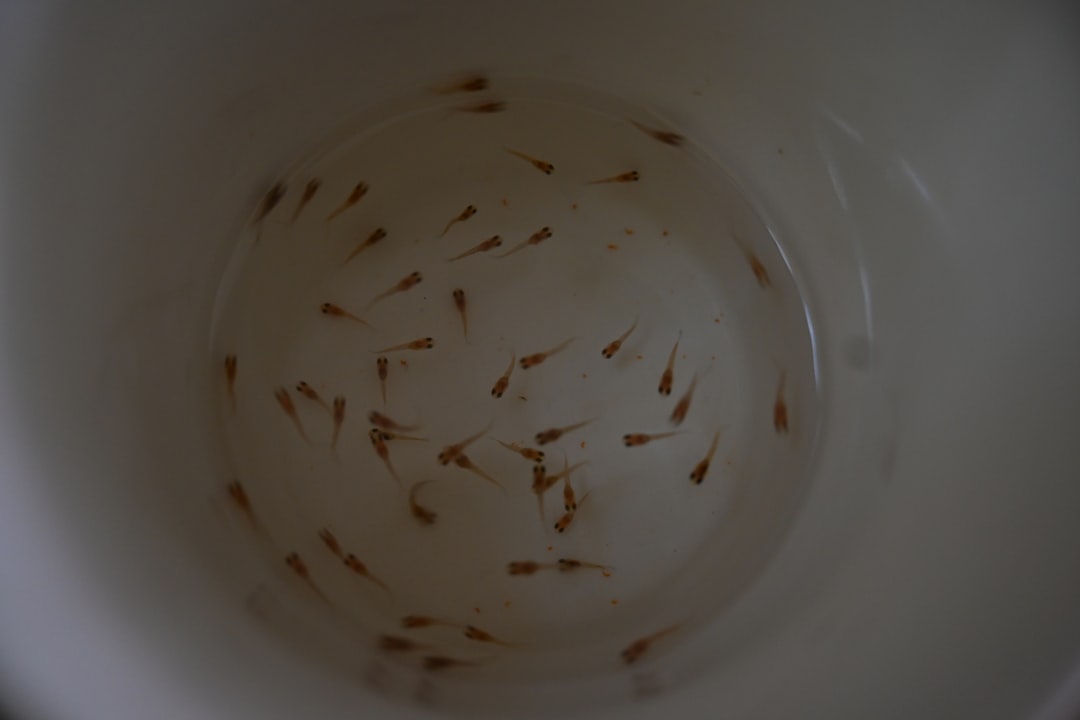
Some hobbyists never breed their own fish but build a quiet income growing out other breeders’ fry to sale size, on consignment or under sponsorship arrangements. A specialised fish fry grow out business reduces the breeding-protocol overhead while monetising the same tank space and feeding routine. This guide from Gensou Aquascaping at 5 Everton Park lays out the sponsorship model, feed schedules, and SGD economics for grow-out specialists working in HDB flats and small condos across Singapore.
The Grow-Out Specialist Niche
Many breeders produce more fry than they have grow-out capacity for — a single discus pair can hatch 200 wrigglers, but raising them to sale size at 4cm needs four months of dedicated 100-litre tank space. The grow-out specialist receives those wrigglers at one to two weeks old, raises them under controlled conditions, and returns 60-70 per cent of saleable juveniles to the originating breeder while keeping 30-40 per cent as payment-in-kind. Both sides win.
Tank and Filtration Setup
Grow-out tanks should be larger and shallower than breeding tanks — a 90x40x30cm tank with 100 litres works for most species. Mature sponge filters from a stable display tank seed the new tank instantly. Bare-bottom or thin-substrate tanks ease daily siphon-cleaning of leftover food. Multiple grow-out tanks on a rack of three to four units is the sustainable scale for one part-time operator. Equipment from the aquarium equipment range covers tank, filter, lighting and rack components.
Feed Protocols That Drive Growth
Live food rules the early weeks: freshly hatched brine shrimp (BBS) twice daily for the first three to four weeks for most species, microworms or vinegar eels for smallest fry. Transition to crushed flake at four weeks, then small pellets by week six. Discus and angelfish benefit from frozen bloodworm and beefheart paste rotation by week eight. Frozen and live foods from the fish food and feeding range cover BBS cysts, brine eggs, and grow-out staples.
Daily Maintenance and Water Quality
Grow-out tanks need 30 per cent water changes daily during weeks one to four because BBS and uneaten food spike ammonia quickly. Drop to 30 per cent every other day from week five, and twice weekly by week eight. Test ammonia and nitrite three times weekly during the high-feed phase. A single overnight ammonia spike can stunt an entire batch of 200 angelfish fry, costing SGD 800 of eventual revenue.
Sponsorship Deal Structures
The classic split is 60/40 — breeder receives 60 per cent of grown-out juveniles, grower keeps 40 per cent. Alternatives include flat per-fry fees (SGD 0.50-1.50 per surviving juvenile depending on species), hybrid splits weighted by quality grade, or reverse-sponsorship where the grower buys wrigglers outright at SGD 0.20-0.50 each and keeps full sale proceeds. Spell the agreement out in a Telegram message before fry leave the breeder’s tank — disputes here are common and friendship-ending.
Survival Rate Benchmarks
Realistic grow-out survival rates: guppies 80-90 per cent, ricefish 70-85 per cent, plakat bettas 60-75 per cent (with culling for sex sorting), angelfish 65-80 per cent, discus 50-70 per cent. Survival below 50 per cent on consecutive batches signals a husbandry problem — usually water quality or food quality, occasionally pathogen contamination. Build sponsor expectations around realistic numbers, never promise 90 per cent on discus.
Pricing Grow-Out Returns to Sponsors
Returning juveniles at the agreed split is usually done at three to four months of age, when sex can be determined and culling is complete. Document each batch with photos at handover and at return so quality disputes have evidence. For grower-kept juveniles, pricing follows market rates — the grower lists on Carousell or Telegram at the same prices as direct breeders, often slightly below to move volume because their margin is built into the split.
Quarantine and Disease Control
Wrigglers from external breeders carry whatever pathogens were in the breeding tank — most commonly camallanus, internal flagellates, and ich. Quarantine incoming batches separately for ten days minimum, dose preventative levamisole or praziquantel before introducing to main grow-out racks. Treatment supplies from water care and treatment cover dechlorinator, bottled bacteria, and quarantine medications.
Scaling and Long-Term Economics
A four-tank grow-out rack running consistently with two breeder partnerships and rotating species generates SGD 800-2,000 monthly net at full capacity, twelve months in. Past that, scale requires either spare bedroom conversion or industrial unit rental. Most successful Singapore grow-out specialists cap at four to six tanks, partnered with two or three trusted breeders, working approximately one to two hours daily. Keep the operation small enough that it stays a labour of interest, not a second job.
Related Reading



