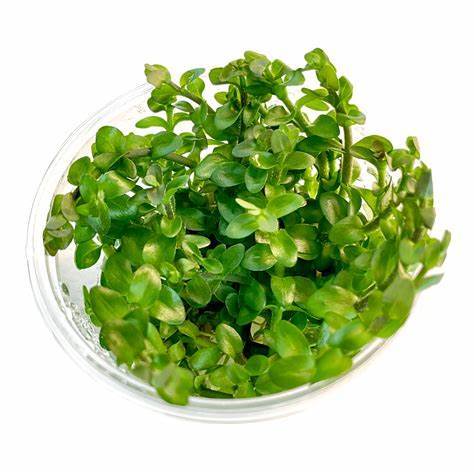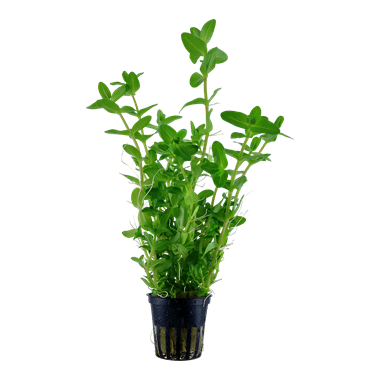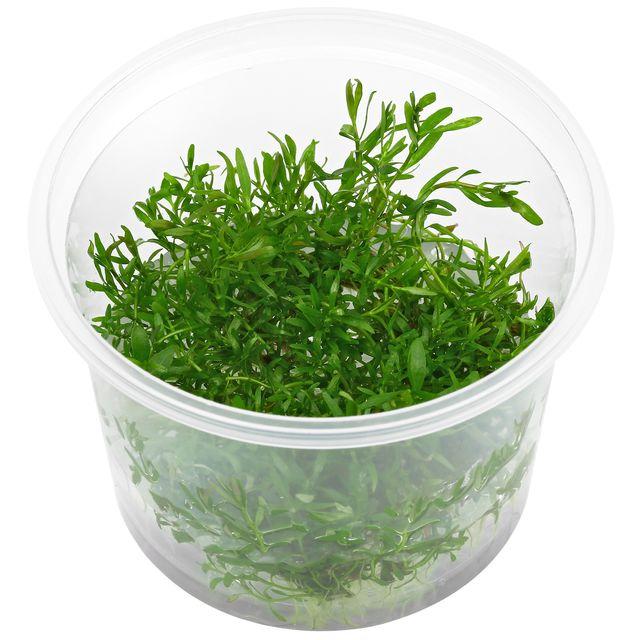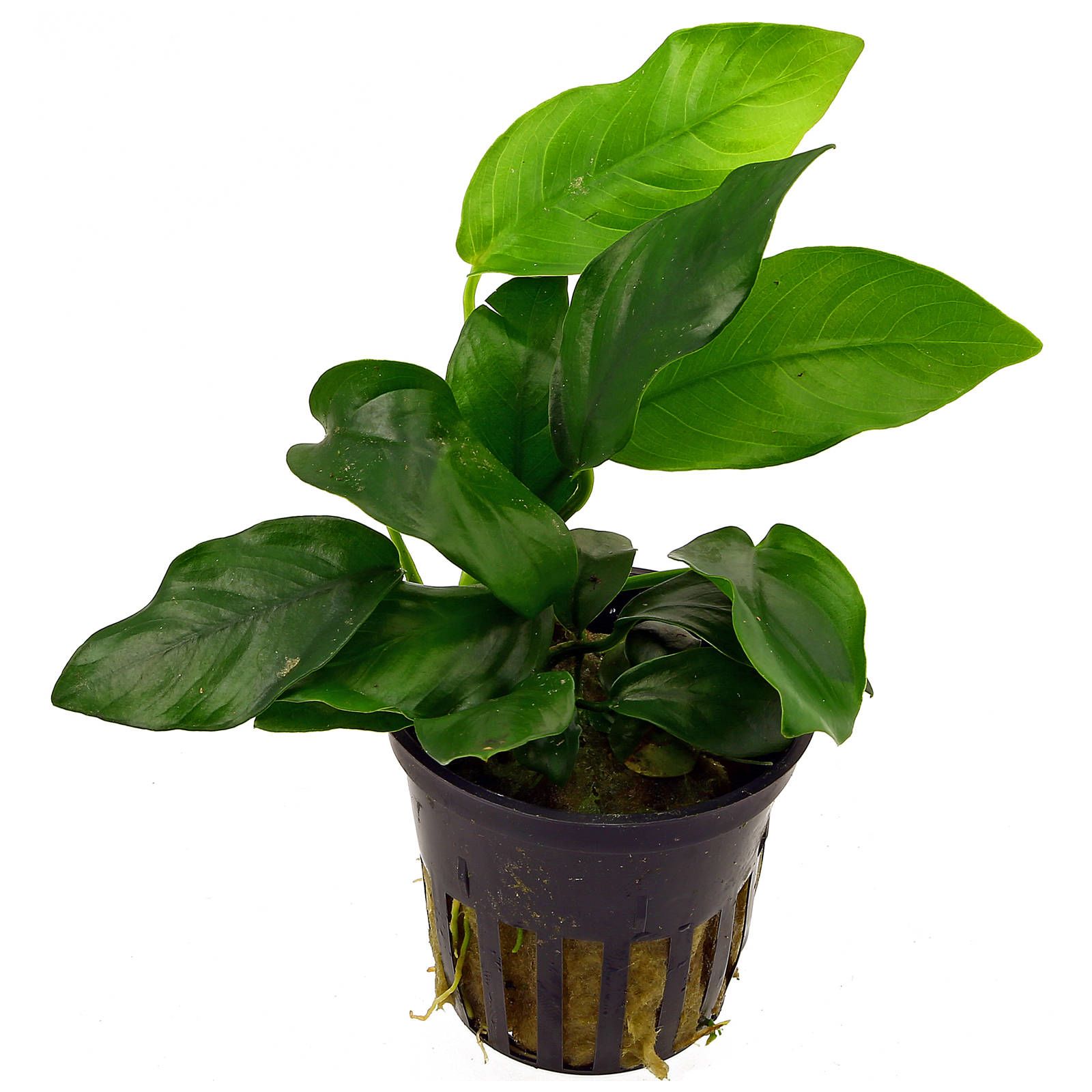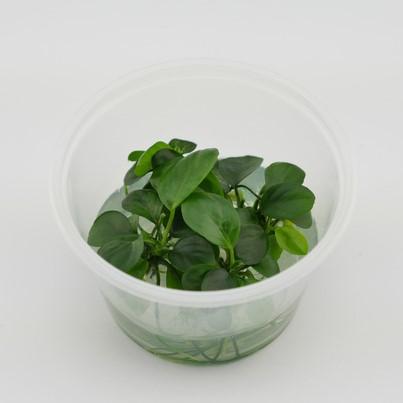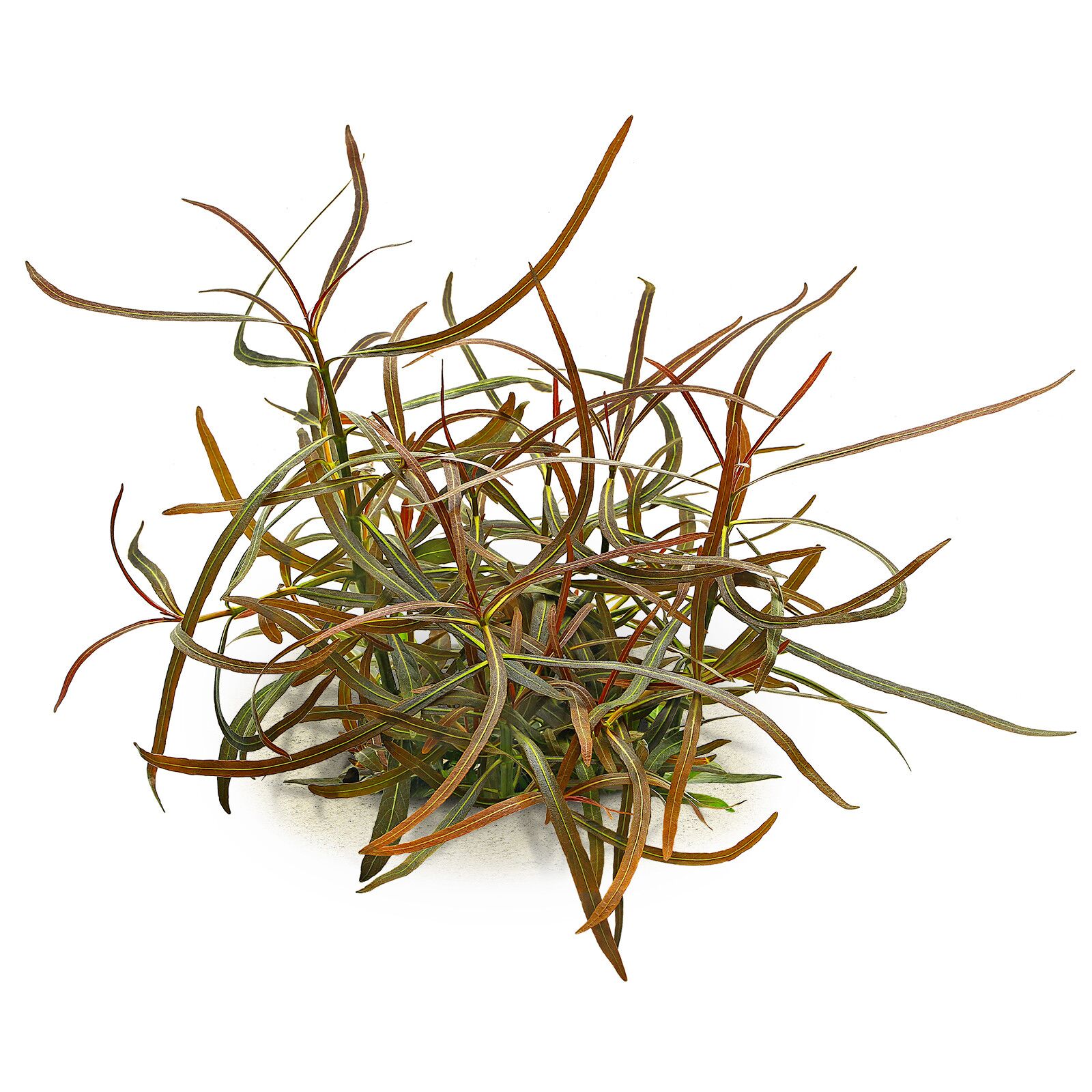
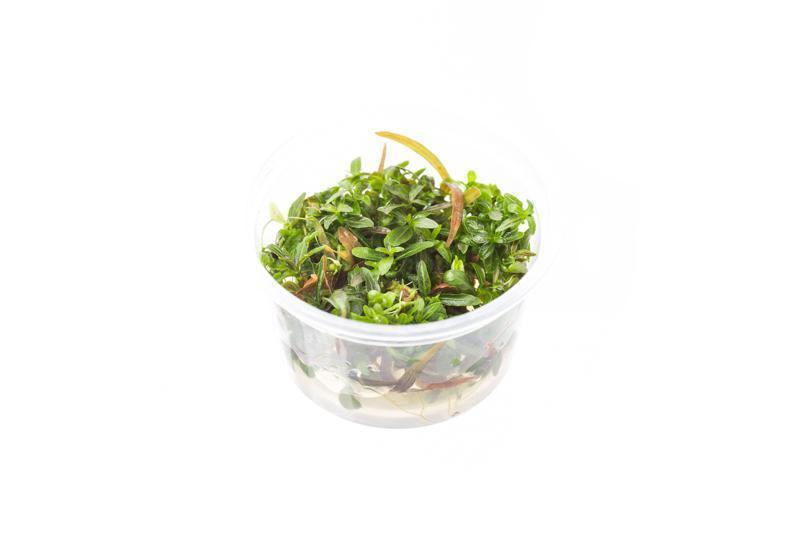
TCulture Hygrophila Lancea Araguaia (Pot/TC Cup)
You save
Description
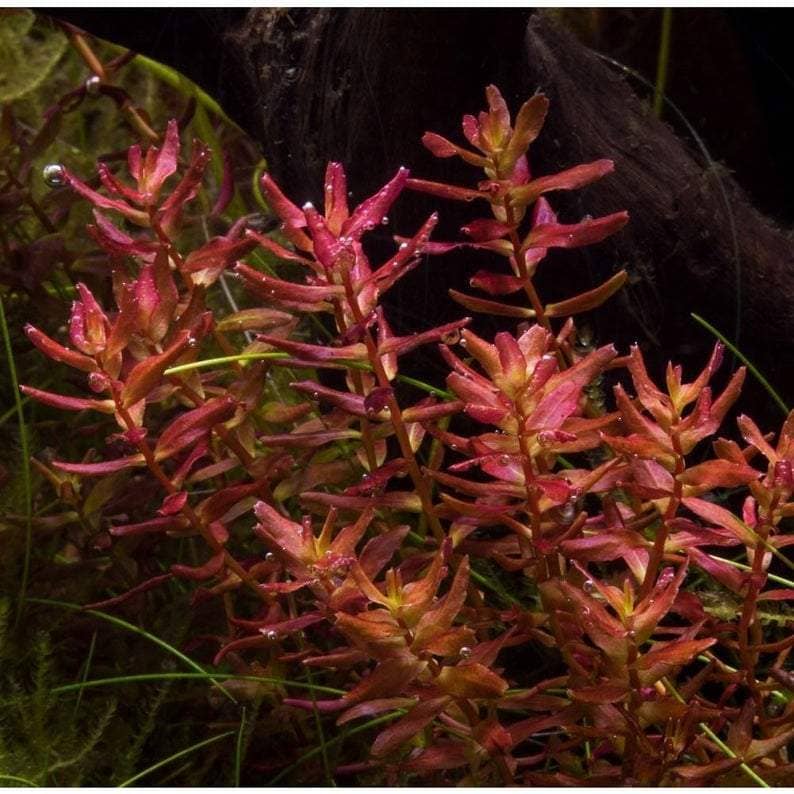
This Hygrophila was named after the Brazilian river Araguaia in trade, however, later on it was identified as the Asian species Hygrophila lancea. Under water it grows lineal reddish-brown leaves with a lighter-coloured central vein. Its stems have a creeping growth habit, ramify well and form low bushes. It needs a good CO2 supply. Trimming the leaves maintains the bushy form. Hygrophila lancea “Araguaia” needs intensive lighting, and in contrast to most other Hygrophila species it is a rather slow grower. Usually it is sold in its emerged form and differs very much from the underwater form, which develops after it has been placed in the aquarium.
This narrow-leaved creeping Hygrophila, allegedly from South America, was identified by Dieter Wasshausen (Smithsonian Institution, Washington) as Hygrophila lancea, a species from Asia. It is widely spread among hobbyists in the USA, but only recently also in Europe.
Complete botanical name
Hygróphila láncea Miq.
Family
Acanthaceae
Genus
Hygrophila
Difficulty
medium
Growth
medium
pH value
4 – 7
Temperature tolerance
18 – 30°C
Carbonate hardness
0 – 7°dKH
General hardness
0 – 30°dGH
Propagation
Cuttings
Can grow emersed?
yes
Source
Flowgrow
Hygrophila Lancea Araguaia (Pot or TC Cup) for SG Aquascapers
We offer this Araguaia form in both potted and tissue-culture cup formats so you can choose between an established head start or a clean, snail-free portion. Long traded under a Brazilian river name but botanically an Asian Hygrophila, it forms low reddish-brown bushes with pale central veins when given intense light. In our Singapore setups it behaves as a patient grower, so we treat it as a structural accent in the lower-mid zone rather than a fast filler that needs constant trimming.
Good CO2 is the single biggest factor in keeping leaves broad and richly toned here. The tissue-culture cup is our pick for nano tanks and shrimp-safe layouts since it ships free of pesticide residue and hitchhikers, while the pot gives more biomass for larger scapes. Either way, our warm tap water suits it once dechlorinated, and steady light coaxes out the colour that makes this plant worth the wait.
TC portions need rinsing and dividing, and emersed-grown stock often melts briefly before adapting underwater. Read our melting tissue-culture fix and aquarium CO2 guide, then explore related foreground plants for the front of your scape.