
Freeze Dried vs Frozen Fish Food: Which to Feed and When
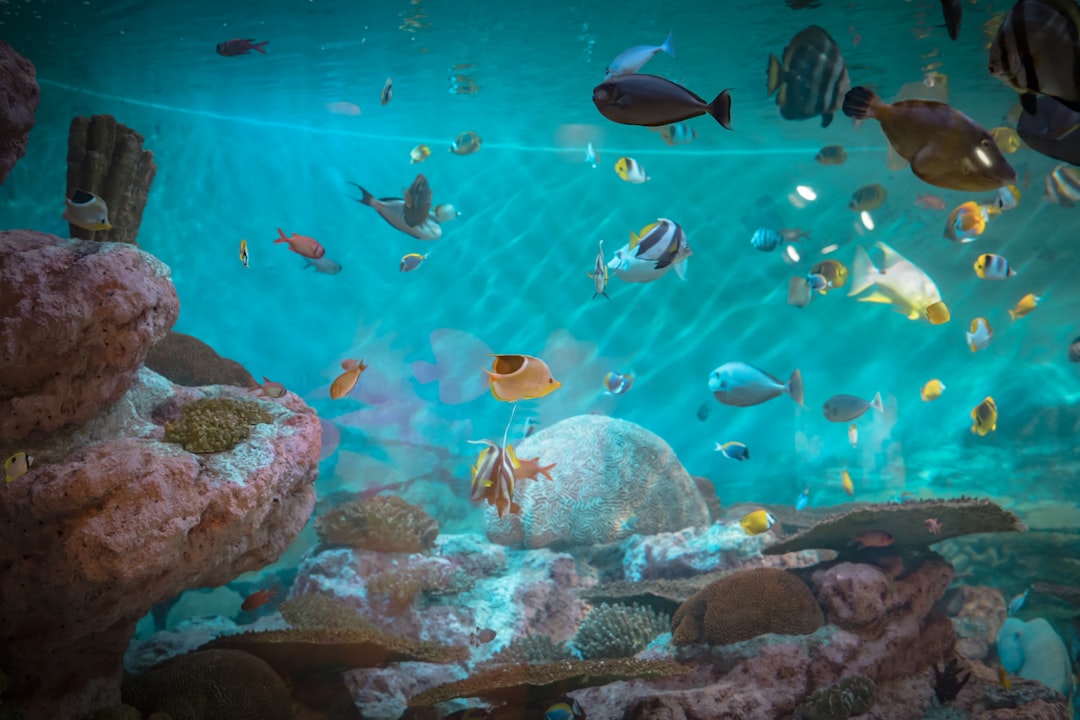
Walk into any aquarium shop in Singapore and you will see both a chest freezer full of red cubes and a shelf of lightweight foil packs. They look interchangeable. They are not. This freeze dried vs frozen fish food comparison from Gensou Aquascaping at 5 Everton Park breaks down processing, nutrition, water behaviour, and the specific feeding situations where each format wins — or fails catastrophically.
Quick Facts
- Frozen food retains 90-95% of natural moisture and protein structure
- Freeze dried preserves 70-80% of vitamins; regular dried retains 40-60%
- Frozen bloodworm cubes: roughly 8-10 g per cube, sell $2-$4 per pack of 15 locally
- Freeze dried foods swell 3-5x when wet — always pre-soak for fish
- Freeze dried carries zero parasite or bacteria risk; frozen is irradiated for the same reason
- Frozen requires constant -18 C; freeze dried stable at room temperature 12-24 months
- Feeding unsoaked freeze dried causes bloat in bettas, goldfish, and gouramis
How They Are Made
Frozen food is simply flash-frozen raw material — bloodworms, brine shrimp, mysis, krill — usually irradiated to kill parasites before blast freezing. The protein structure stays intact; water content is around 85%. Freeze drying takes the same raw material, freezes it, then removes ice by sublimation under vacuum. The result weighs 10-15% of the original and holds its cellular structure without heat damage.
Nutritional Reality
Both start from the same raw input. The difference is what survives processing. Frozen retains fats, vitamins, and natural enzymes if kept consistently at -18 C. Freeze dried loses some fat-soluble vitamins during sublimation but keeps protein, minerals, and most B vitamins. Both crush regular flake or pellet food for nutritional density per gram. What matters more is rotation — feeding one type exclusively creates gaps regardless of format.
Water Behaviour and the Bloat Issue
Drop a frozen bloodworm cube in the tank. It sinks, fish eat, done. Drop a freeze-dried bloodworm block in the tank. The worms float, fish gulp them with air, worms swell 3-5x in the stomach, fish develop swim bladder inflammation. Bettas, goldfish, gouramis, and anabantoids are particularly prone to this. Always soak freeze-dried foods in tank water for 60-120 seconds before feeding. Soaked, they sink and behave like fresh food.
When Frozen Wins
Daily feeding as part of a varied diet. Conditioning breeders — the natural fat profile drives egg production. Feeding fry transition stages where texture matters. Marine fish that hunt by movement, where thawed mysis drifting in the current still triggers responses. Predators like puffers, large cichlids, and rays that want meaty chunks. Frozen brine shrimp to flush a bloated fish, because the gut-filling moisture helps pass waste.
When Freeze Dried Wins
Holiday and travel feeding — stable at room temperature, lightweight, easy for a fish-sitter. Quarantine and hospital tanks where you want zero contamination risk. Feeding picky wild-caught fish that refuse flake but hesitate on cubes that break apart. Emergency backup when the freezer dies. Mixing into homemade gel food as a dry protein booster. For any fish under 2 cm, freeze-dried tubifex and brine shrimp crushed fine are an excellent convenience food.
Singapore Storage Reality
Tropical heat and humidity punish frozen food between shop and fridge. A 20-minute drive home on a hot afternoon partially thaws a cube pack; refreezing damages texture and nutrition. Carry a small insulated bag and ice pack when buying frozen from C328 Clementi or Iwarna. Freeze dried suffers from humidity instead — an open bag absorbs moisture within days and moulds. Decant into a sealed jar with a silica gel pack immediately after opening.
Cost per Gram
Frozen bloodworms in Singapore run about $3 per 120 g pack, so roughly $25 per kg dry weight equivalent after removing the 85% water. Freeze dried bloodworms sell at $8-$15 per 15 g jar, equivalent to $500-$1000 per kg on paper — but remember they expand 5x, so real cost per fed gram is $100-$200 per kg. Freeze dried is more expensive per bite, but zero spoilage waste narrows the gap in small households.
Feeding Schedule Recommendations
For a community tank: high-quality pellet 5 days per week, frozen food (bloodworms, brine, mysis rotating) 2 days, freeze-dried as occasional variety or holiday backup. For breeders: frozen heavy during conditioning, freeze dried as training food for picky new fish. For fry: frozen baby brine after day 5; freeze dried crumbs for species too small for other options. For puffers and predators: frozen only — dry foods cause nutritional gaps in obligate meat eaters.
Quality Checks Before Buying
Frozen: the pack should be free-flowing cubes, not fused into a slab (sign of thaw-refreeze). Colour should be deep red for bloodworms, orange-pink for brine, silver-grey for mysis. Dull brown or grey indicates freezer burn or age. Freeze dried: colour should be bright, texture crisp, no compression into a brick, no mouldy or off smell. Check best-before dates — Singapore humidity ages product faster than the label assumes.
The Verdict
Frozen is the backbone of a serious feeding programme. Freeze dried is the safety net, the travel option, and the convenience for households where a freezer shelf dedicated to fish food is not practical. Most Singapore hobbyists should keep both on hand — frozen for daily protein, freeze-dried for variety and insurance. Neither replaces quality pellet food as the day-to-day staple.
Related Reading



