
Freshwater Pipefish Breeding Guide: Dragonfaced Pipefish in Singapore
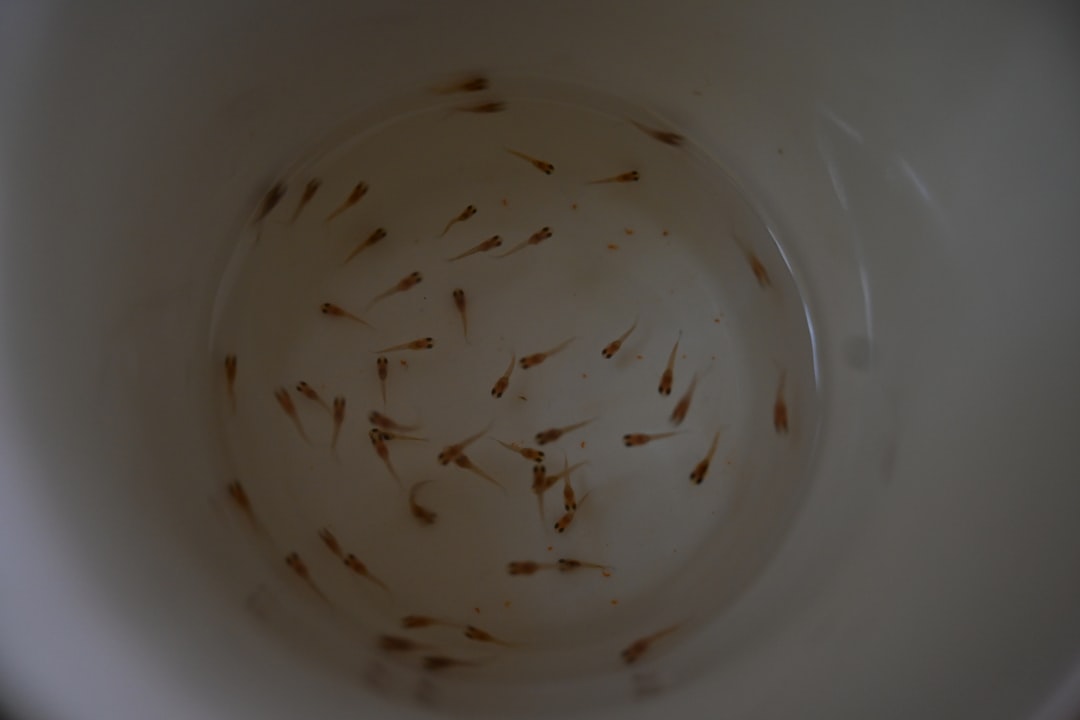
The Dragonfaced pipefish, Microphis deocata, is one of the most demanding yet rewarding breeding projects available to Singapore freshwater keepers. This freshwater pipefish breeding guide walks through the tank requirements, live food infrastructure, and male brooding behaviour that differentiate pipefish from any other freshwater species. Gensou Aquascaping in Everton Park has raised three successive generations and learned that the species is far more a copepod farming challenge than a water parameter puzzle. If you enjoy live food culture, this is the breeding project for you.
Species Profile
Dragonfaced pipefish reach 15 cm, live across Northeast India and Bangladesh in slow-flowing rivers with thick bankside vegetation. Males display brilliant red flanks and blue lateral stripes during breeding, while females remain drab silver-grey. Like all syngnathids, the male carries the developing eggs in a belly pouch for two to three weeks before releasing free-swimming fry.
Breeder Tank Setup
Dedicate a 60 to 90 litre tank purely to breeding. Low flow is essential, so a sponge filter driven by a gentle air pump is the standard choice. Aquascape with fine-leaved plants such as Vallisneria and Cabomba for display and for copepod habitat. Add a layer of catappa leaves to stain the water lightly and encourage infusoria.
Maintain pH 7.0 to 7.6 and hardness GH 6 to 10, KH 3 to 6. Remineralise RODI with salts such as Salty Shrimp GH/KH+ to hit these targets consistently, as Singapore PUB water runs too soft without supplementation. Temperature 25 to 27 degrees Celsius is ideal, which often requires a small clip-on fan during afternoon heat.
Live Food as the Foundation
Adult pipefish eat only live moving prey. Baby brine shrimp, Moina, and copepods form the core diet. Fry require even smaller food, typically Paracyclops copepods or newly hatched brine shrimp naupulii. Before introducing a breeding pair, set up three dedicated culture tanks: one for Moina fed on spirulina, one for copepods seeded from a saltwater starter such as Algagen Tisbe, and one for baby brine hatched fresh every 24 hours.
Underestimating live food infrastructure is the single biggest reason pipefish breeding projects fail in Singapore.
Pair Selection and Courtship
Buy six juveniles and let the group sort out pair bonds naturally. Courtship is elaborate: the male dances vertically in front of the female, flaring red fins and mimicking her swimming posture. Egg transfer takes under 30 seconds, with the female depositing eggs directly into the male’s ventral pouch.
From that moment the male fasts slightly and his belly swells visibly. You can monitor development through the thin pouch wall, watching fry eyes darken over 20 days.
Fry Release and Rearing
A brood of 30 to 100 fry emerge over a single night. Move the male back to the main tank within 12 hours, or the parents pick off stragglers. Fry are 8 mm at release and require copepods immediately. They do not accept brine shrimp naupulii for the first week.
Daily 10 per cent water changes with matched temperature and mineralisation prevent ammonia spikes in the densely stocked grow-out tank. By week four the fry accept brine naupulii, and by week eight they take Moina adults.
Common Failures
Temperature swings in HDB flats during monsoon storms crash brooding males, causing them to abort pouches. A reliable 60 watt heater set to 26 degrees prevents this even if ambient dips. Flow that is too strong washes fry into filter intakes, so always sponge-cover any pump intake. Algae blooms from excessive plant supplement starve out copepod cultures, so dose lightly.
Singapore Availability
Dragonfaced pipefish appear sporadically at Qian Hu and specialist auctions for 80 to 150 SGD each. Wild imports often arrive in poor condition after long transit, so inspect for clamped fins and visible skeletal lines through the body. A healthy pipefish looks taut and actively hunts. Quarantine for four weeks with live food only, and skip copper treatments which are toxic to syngnathids.
Related Reading
- Marine Pipefish Care Guide
- Freshwater Leaf Fish Care Guide
- Beginner Breeding Tank Setup Guide
- First Planted Tank Checklist
- Wild Betta Breeding Guide
Conclusion
Successful pipefish breeding is a live food operation first and a fish project second. Build the copepod cultures, stabilise the water, and let the male do the rest. For help sourcing starter cultures or commissioning a dedicated breeding rack in Singapore, visit Gensou Aquascaping at 5 Everton Park.



