
Golden Ram Cichlid Care Guide: Mikrogeophagus Ramirezi Gold Morph
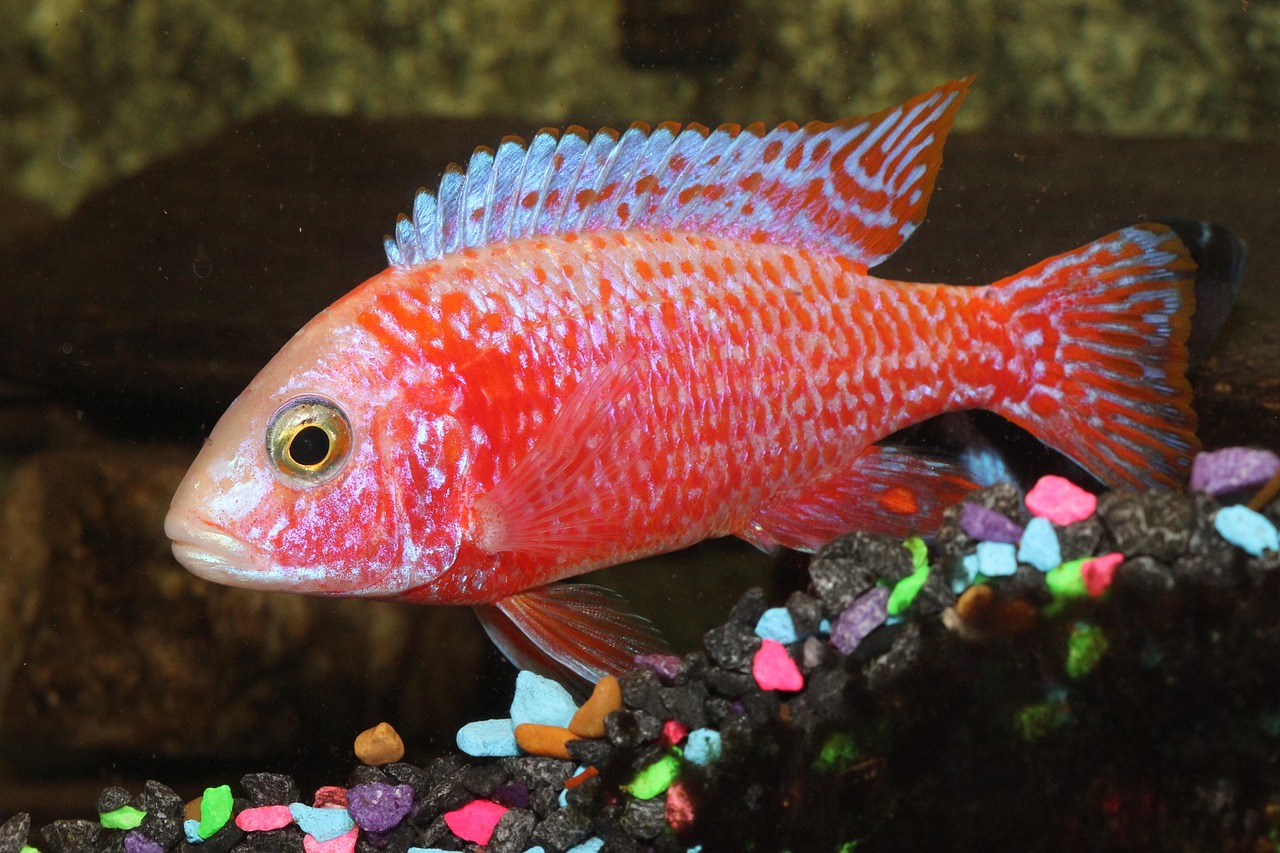
The golden ram is a captivating colour morph of Mikrogeophagus ramirezi that trades the wild-type’s blue iridescence for a warm, luminous gold body accented with orange fins and subtle blue spangles. Keeping them healthy requires attention to water quality that many beginners underestimate. This golden ram cichlid care guide from Gensou Aquascaping at 5 Everton Park, Singapore, covers everything you need to know, from their fussy water preferences to breeding behaviour in our local conditions.
Origin and Morph Background
Mikrogeophagus ramirezi originates from the Orinoco River basin in Venezuela and Colombia, inhabiting warm, soft, acidic waters. The golden morph was developed through selective breeding in Asian fish farms, with many specimens imported from Thailand and Indonesia. While commercially bred goldens are hardier than wild-caught rams, they still demand stable, pristine conditions. Poorly maintained goldens fade to a washed-out yellow and succumb quickly to disease.
Tank Size and Setup
A pair of golden rams needs a minimum of 60 litres, though 80-100 litres gives better stability and room for territory. Provide a fine sand substrate — rams sift sand through their gills searching for food, and coarse gravel can damage their delicate gill filaments. Flat stones or small terracotta caves serve as potential spawning sites. Plant densely with Cryptocoryne species and Java fern to create sheltered areas. Driftwood adds both aesthetic warmth and beneficial tannins to the water.
Water Parameters
Golden rams are warm-water fish, thriving at 27-30 degrees C — conveniently matching Singapore’s ambient room temperature of 28-30 degrees C. No heater is typically needed in local homes. They prefer soft, acidic water: pH 5.5-6.8, GH 2-6, KH 1-4. Singapore’s PUB tap water, once dechloraminated, sits comfortably in this range. Maintain nitrates below 10 ppm with weekly 25-30% water changes. Rams are among the first fish to show stress when nitrate levels creep upward, making them effective indicator species for water quality.
Diet and Nutrition
Offer a varied diet of high-quality micro pellets, frozen bloodworms, brine shrimp, and daphnia. Golden rams are deliberate feeders that pick at food rather than gulping it, so ensure pellets sink slowly or land on the substrate where the fish can find them. Feed twice daily in small portions. Supplementing with live baby brine shrimp once or twice a week enhances colour vibrancy noticeably. Avoid low-quality flake foods that cloud the water and provide minimal nutrition.
Compatible Tank Mates
Peaceful, small community fish work best alongside golden rams. Cardinal tetras are the classic pairing — both species originate from similar soft, acidic environments, and the tetra’s neon blue-red stripe complements the ram’s gold beautifully. Rummy-nose tetras, pencilfish, and small rasboras also coexist well. Corydoras catfish share the bottom zone, but choose smaller species like C. pygmaeus to minimise competition for substrate-level food. Avoid aggressive cichlids, large barbs, and any species that competes for cave space.
Common Health Issues
Rams are susceptible to Hexamita, which causes hole-in-the-head lesions, and to bacterial infections when water quality dips. Ich outbreaks are common in stressed specimens — treat at 30 degrees C with salt at 1 teaspoon per 10 litres, as rams tolerate heat well. Avoid copper-based medications, especially in tanks with shrimp. Purchase antiparasitic treatments from local shops or online via Shopee for around $8-15 SGD. Quarantine all new rams for at least two weeks before adding them to an established community.
Breeding Golden Rams
Pairs form strong bonds and often spawn on flat stones or broad plant leaves. The female deposits 100-200 small eggs in neat rows while the male fertilises. Both parents typically guard the clutch, fanning eggs to prevent fungus. At 28-29 degrees C, eggs hatch in roughly 60 hours. Free-swimming fry appear three days later and need vinegar eels or infusoria initially, graduating to baby brine shrimp within a week. First-time parents sometimes eat the eggs — patience through two or three spawning attempts usually yields success.
Why Golden Rams Suit Singapore Tanks
Our local water chemistry and warm climate eliminate two of the biggest hurdles in golden ram cichlid care: achieving soft, acidic water and maintaining high temperatures. A well-planted 60-90 cm tank in an HDB flat, paired with diligent water changes and quality food, gives these fish everything they need to display their full golden splendour. Few dwarf cichlids reward attentive care with as much personality and colour.
Related Reading



