
Hornwort vs Anacharis vs Cabomba Comparison Guide: Oxygenator Pick
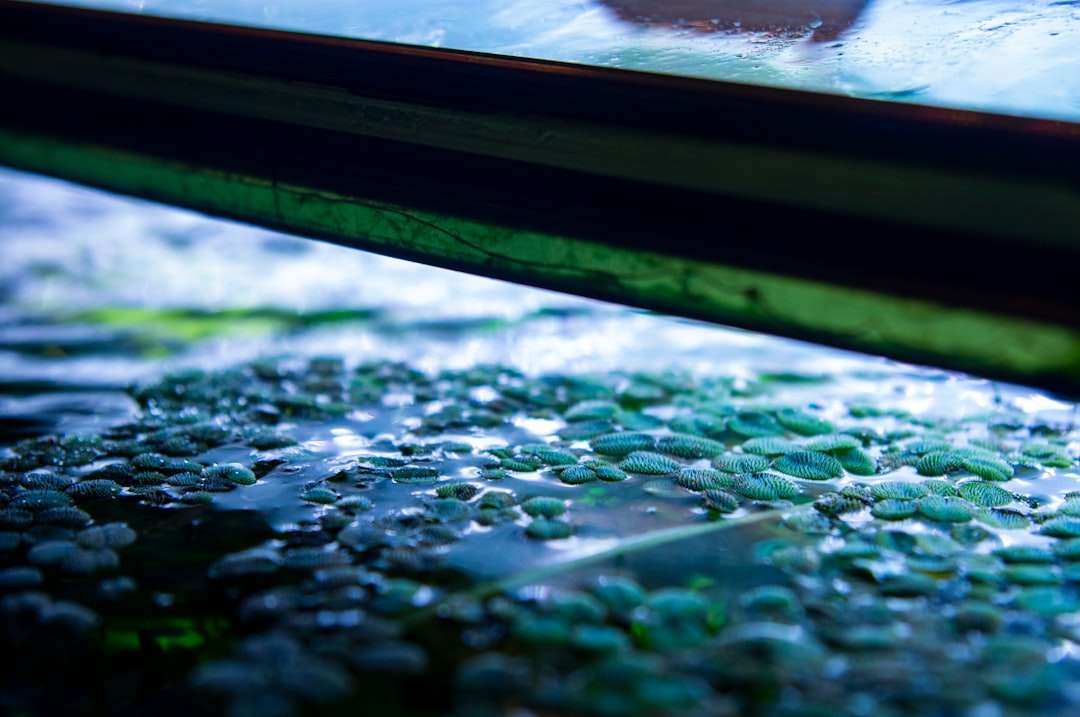
Three classic oxygenator plants anchor most beginner and pond-leaning planted tanks, and shop labelling often interchanges them carelessly. The hornwort vs anacharis vs cabomba question matters because growth rate, lighting demand and rooting behaviour differ substantially. This guide from Gensou Aquascaping at 5 Everton Park ranks the trio for fish-fry tanks, low-tech beginners and Singapore goldfish setups.
Quick Verdict
Pick hornwort if you want the fastest-growing floating-or-planted oxygenator that handles any water condition. Pick anacharis for an easy substrate-rooted alternative that accepts low-light conditions. Pick cabomba only for higher-light planted tanks where you want a feathery showpiece — it dies fast in low light.
Hornwort: The Floating Workhorse
Hornwort (Ceratophyllum demersum) produces dense whorled needle-like foliage on flexible stems. It has no true roots — anchor it with a plant weight or let it float. Light requirement: low to high, 20-100 PAR — extremely adaptable. CO2 not required. Water tolerance: pH 6.0-8.5, GH 5-25, temperature 15-30°C. Among the fastest-growing aquatic plants, it consumes ammonia and nitrate aggressively, making it ideal for new-tank cycles and goldfish setups. Sheds needle-foliage when introduced or stressed; this is normal. Excellent fry-cover plant.
Anacharis: The Substrate-Rooted Easy Option
Anacharis (Egeria densa, sometimes labelled Elodea) produces dense whorled flat leaves on stiff stems. Roots readily into substrate or floats freely. Light requirement: medium, 30-60 PAR — accepts lower light than cabomba but slows growth. CO2 not required. Water tolerance: pH 6.5-8.5, GH 5-25, temperature 15-26°C. Note Singapore ambient summers push the upper edge — anacharis prefers cooler water below 26°C. Goldfish nibble it persistently. Easy propagation: snip stems and replant. Common in pond and outdoor setups.
Cabomba: The Feathery Higher-Light Showpiece
Cabomba (Cabomba caroliniana) produces fine fan-shaped feathery foliage on slender stems. Bright green with red-pink variants (Cabomba furcata, Cabomba piauhyensis) at the higher end. Light requirement: high, 60-100 PAR. CO2 strongly recommended. Water tolerance: pH 6.0-7.5, GH 1-10, temperature 20-26°C. They melt fast in low-light Singapore tanks because the genetic light demand is far higher than typical beginner setups can deliver. Roots into substrate but stems are brittle and snap during planting.
Side-by-Side Spec Comparison
Foliage form: hornwort needle whorls, anacharis flat-leaf whorls, cabomba feathery fans. Rooting: hornwort none (floats), anacharis substrate-rooting, cabomba substrate-rooting. Light demand: hornwort 20-100 PAR, anacharis 30-60, cabomba 60-100. Growth rate: hornwort fastest, anacharis fast, cabomba moderate-fast under good light. Goldfish-safe: anacharis tolerates browsing, hornwort tolerates browsing, cabomba shreds easily. Price: hornwort SGD 4-8 per bundle, anacharis SGD 4-10, cabomba SGD 8-15.
Decision Framework
If you need a fast oxygenator for a goldfish tank or a fish-in cycle, hornwort wins on growth speed and ammonia uptake. If you want a substrate-rooted background plant in a low-tech tank that does not need premium lighting, anacharis fits — provided your tank stays under 26°C. If you have a high-tech CO2 tank and want a feathery red showpiece, cabomba (especially red variants) delivers but demands the full lighting and CO2 kit. For Singapore tropical setups, hornwort outperforms the other two on heat tolerance.
Singapore Sourcing and Pricing
Iwarna, Polyart and ANS carry all three regularly. Hornwort runs SGD 4-8 per bundle of 5-7 stems. Anacharis sits at SGD 4-10 per bundle, often marketed as pond plant alongside duckweed and water lettuce. Cabomba green at SGD 8-12 per bundle; red cabomba (Cabomba furcata) at SGD 12-20. C328 Clementi sometimes carries the rarer giant cabomba variants. Pair any of them with quality LED lighting and substrate from the aquarium plants range. The filter range matters less for these undemanding plants.
Common Mistakes
Buying cabomba for a low-tech tank is the universal failure pattern — it melts within 2-4 weeks and stinks up the water. Second mistake: keeping anacharis above 26°C in Singapore’s hot ambient; the plant slows, browns at the tips and eventually dies through the summer months. Third: expecting hornwort not to shed needles after introduction — it always does, and the shed needles clog filter intake screens for the first 2-3 weeks. Fourth: planting cabomba by burying the entire stem; the brittle stems snap and rot at the buried portion.
Pairing in Tank Layouts
Hornwort fits floating canopies in betta and gourami tanks, providing surface cover for labyrinth fish bubble nests. Anacharis works as a substrate background in goldfish or pond-leaning displays. Cabomba sits as a feathery midground accent in high-tech planted tanks alongside rotala and ludwigia. None of these three suit collector-grade aquascapes, but all three serve practical roles in beginner and species-specialist setups. Pair with hardscape from the decoration range for visual structure.
Related Reading



