
How to Age Tap Water for Your Aquarium: Is It Worth It?
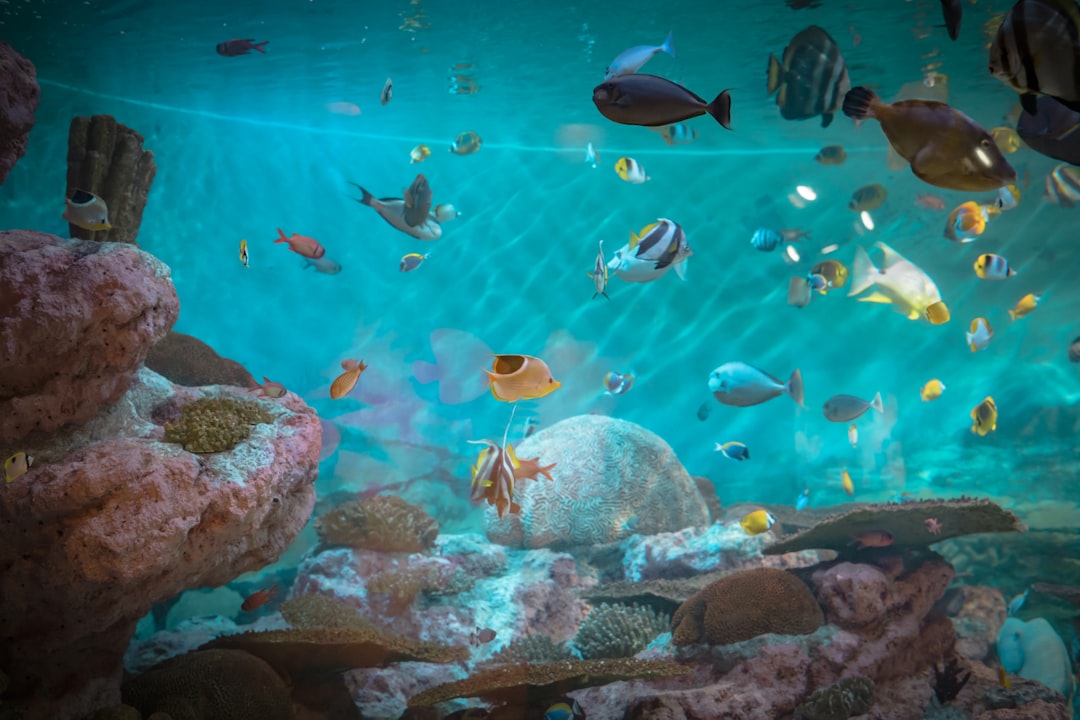
Decades ago, leaving tap water to sit overnight was standard practice before adding it to a fish tank. But does this old-school method still make sense? This age tap water aquarium guide from Gensou Aquascaping at 5 Everton Park, Singapore examines whether ageing water is effective, when it falls short, and what alternatives work better for modern aquarists drawing from PUB-treated supply.
What Ageing Tap Water Actually Does
The original logic was simple: chlorine is a dissolved gas, and given time and surface agitation, it off-gasses into the air. Fill a bucket, leave it for 24 hours with an airstone bubbling, and free chlorine dissipates to near-zero levels. For systems treated with chlorine alone, this works reasonably well.
Singapore’s PUB water, however, uses chloramine — a more stable compound formed by bonding chlorine with ammonia. Chloramine does not gas off easily. You can leave a bucket sitting for days and still measure residual chloramine with a test kit. This critical difference makes simple ageing unreliable as your sole treatment method here.
Chloramine vs Chlorine: Why It Matters
Chlorine breaks down under UV light, aeration, and time. Chloramine resists all three. When chloramine does eventually degrade, it releases free ammonia into the water — a secondary hazard for your tank inhabitants. Even a small ammonia spike of 0.25 ppm stresses sensitive species like shrimp and wild-caught tetras.
Most Southeast Asian water utilities, including Singapore’s, switched to chloramine years ago because it persists longer in the distribution network and provides more consistent disinfection. For aquarists, this means a quality water conditioner that specifically neutralises chloramine is non-negotiable.
When Ageing Water Is Still Useful
Ageing serves a legitimate purpose beyond chlorine removal. Freshly drawn PUB tap water often contains dissolved gases — mostly nitrogen and CO2 — that create fine bubbles on surfaces and can irritate fish gills. Letting water sit for a few hours with gentle aeration allows these supersaturated gases to equalise with atmospheric pressure.
Temperature matching is another practical benefit. Filling buckets the night before a water change lets the replacement water reach room temperature naturally — around 28–30 °C in a typical Singapore flat — eliminating thermal shock. For sensitive shrimp species, even a 2 °C swing triggers stress.
The Recommended Approach for Singapore
Treat your replacement water with a dechloraminator first, then age it if you have the space and patience. Add the conditioner as you fill your bucket or storage container — this neutralises chloramine and binds the released ammonia immediately. Aerate for two to four hours, or overnight if possible, to stabilise dissolved gases and temperature.
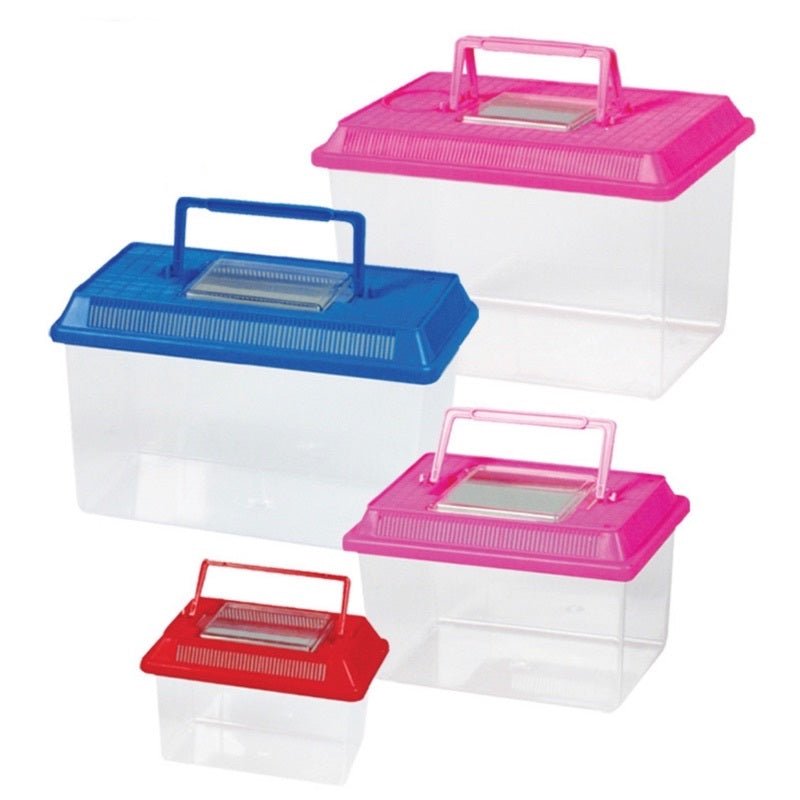
A 20-litre food-grade bucket with a small airstone connected to a battery or USB air pump makes an efficient ageing station. Some hobbyists use larger 60–80 litre storage bins for weekly water changes on multiple tanks. Prices for suitable containers start around $5–$10 on Shopee or at Daiso outlets islandwide.
Alternatives to Ageing
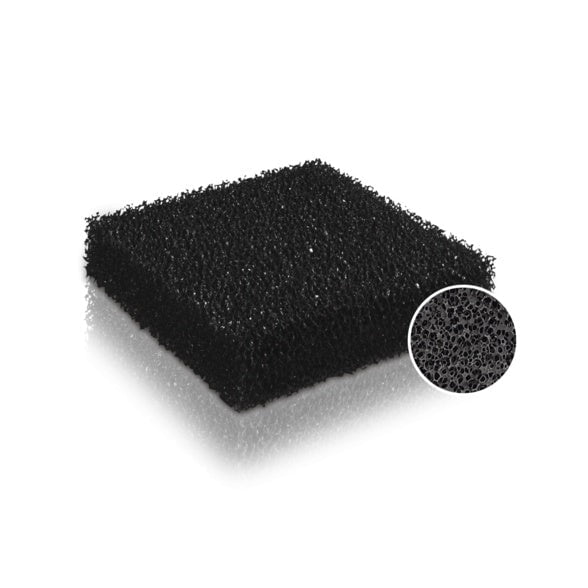
Inline dechlorinators, such as carbon block filters attached to a garden hose, remove chloramine as water flows through. These are popular among hobbyists managing large tanks above 200 litres, where bucket-by-bucket changes become tedious. A decent carbon filter cartridge costs $15–$30 and lasts several hundred litres.
Reverse osmosis units strip virtually everything from tap water, including chloramine, heavy metals, and dissolved minerals. RO water requires remineralisation before use, but it gives you complete control over water chemistry — essential for breeding caridina shrimp or soft-water species.
Common Mistakes When Ageing Water
Skipping the conditioner entirely and relying on time alone tops the list. Even 48 hours of aeration may not fully eliminate chloramine from PUB water. Another mistake is ageing water in direct sunlight on a balcony — while UV helps break down chlorine, it also raises water temperature well above 35 °C and encourages algae growth in the container.
Storing aged water for more than two days without aeration creates its own problems. Stagnant water loses oxygen and can develop bacterial films. If you batch-prepare water, keep the airstone running continuously until you use it.
Is It Worth the Effort?
For most Singapore hobbyists, a good conditioner plus 30 minutes of aeration is sufficient. Full overnight ageing adds a safety margin for sensitive livestock — shrimp keepers and breeders benefit most. The practice is far from obsolete, but it should complement chemical treatment, not replace it.
At Gensou Aquascaping, we recommend this combined approach as a simple habit that prevents avoidable losses. Whether you age tap water for your aquarium overnight or just for a few hours, the key is never to skip dechloramination in a chloramine-treated supply like Singapore’s.
Related Reading
- Aquarium Beneficial Bacteria Explained: Where They Live and Why
- Aquarium pH Crash: Causes, Symptoms and Emergency Recovery
- KH and GH Explained Simply: What They Mean for Your Aquarium
- Aquarium TDS Explained: What It Means and When It Matters
- How to Remineralise RO Water for Aquariums: Shrimp and Fish



