How to Aquascape an HDB Corridor Tank in Singapore
HDB corridors are one of Singapore’s most underutilised spaces for aquascaping. Sheltered from rain, naturally humid, and often with ambient temperatures that stay relatively stable, a covered HDB corridor can host a planted tank that would be impractical indoors. The challenge of an HDB corridor tank aquascape is not aesthetic — it’s practical: weight limits, natural lighting management, humidity tolerance of equipment, and choosing the right livestock for outdoor ambient conditions without a chiller or heater. Gensou Aquascaping at 5 Everton Park, Singapore has set up and maintained corridor tanks for clients across several HDB estates, and the approach is well-tested.
HDB Regulations and Weight Considerations
HDB Singapore does not prohibit corridor tanks, but common sense and courtesy to neighbours applies. Noise from air pumps, dripping water sounds and tank lighting at night need to be managed. More critically, structural load must be respected. HDB corridor slabs are designed for foot traffic loads, not concentrated point loads from heavy tanks. A 100-litre tank with substrate, hardscape and stand weighs approximately 150–180 kg total — spread this over a stand with four large feet (use rubber pads to distribute load and protect the corridor floor surface). Tanks above 200 litres on an upper-floor HDB corridor are inadvisable without structural confirmation. Stay practical: 60–120 litres is the sensible range for corridor use.
Natural Light: Asset and Challenge
An HDB corridor facing north or northeast receives indirect natural light — bright but without direct sun penetration. This is the ideal corridor orientation for a planted tank. Direct sun facing corridors expose the tank to 2–4 hours of intense equatorial sun that will raise water temperature by 4–6°C, trigger explosive algae growth and stress most fish irreparably. If your corridor faces direct sun, position the tank in the least-exposed section and use a shade cloth rated at 50–70% light reduction. The upside of indirect natural light is free PAR for plant growth — moderate-light plant species like Anubias, Java fern, Cryptocoryne and moss often thrive without supplemental lighting in a well-oriented corridor position.
Temperature Management in an Outdoor Corridor
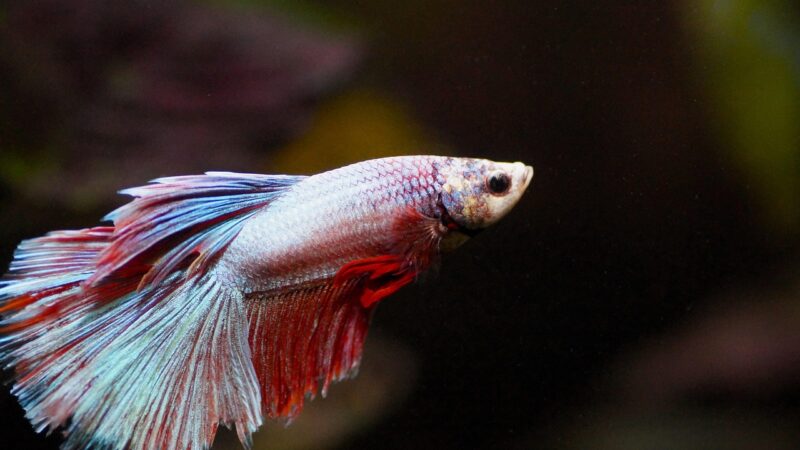
Singapore’s ambient corridor temperatures typically range from 27–33°C depending on floor level, corridor orientation and time of day. High-floor, west-facing corridors heat considerably more than ground floor north-facing ones. Most tropical fish tolerate 27–30°C without stress; cool-water species requiring below 26°C are not suitable for outdoor corridor setups without a chiller (which increases electricity consumption and equipment complexity). Species that actually thrive at corridor temperatures include most livebearers, many Danio and Rasbora species, Neocaridina shrimp, Betta splendens and Pterophyllum scalare.
Equipment Rated for Outdoor Conditions
Standard aquarium equipment is designed for indoor use and may degrade faster in outdoor conditions. Electrical connections in a humid corridor should use waterproof extension sockets or IP-rated plugs rated for outdoor exposure — these are available at hardware shops and on Lazada at $15–30. Silicone sealant on the tank joints benefits from a check every 12 months, as ultraviolet light from natural lighting degrades silicone faster than indoor conditions. Use a filter and lighting rated for continuous operation; some budget equipment ratings assume indoor ambient temperatures of 25°C, which a corridor tank may exceed during afternoon hours.
Plant Choices for Corridor Conditions
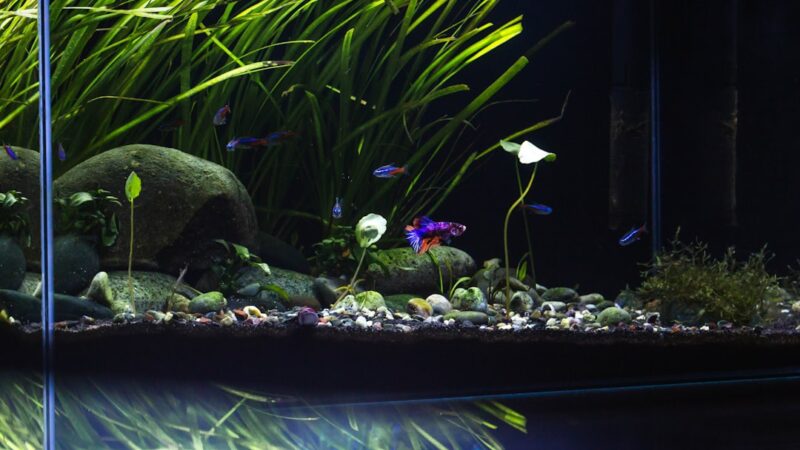
Low-to-moderate light species that tolerate warm temperatures and don’t require CO2 injection are the pragmatic choice for corridor tanks. Vallisneria species grow vigorously in warm, bright conditions and are nearly indestructible. Anubias barteri and A. nana attached to driftwood or stone require minimal light and tolerate temperature variation well. Ceratophyllum demersum (hornwort) floats or can be anchored, grows rapidly in nutrient-rich water and is excellent for shading the tank and reducing algae competition. Egeria densa is another robust background plant suited to these conditions. Avoid delicate CO2-demanding carpeting plants — hairgrass, Monte Carlo — in corridor setups without supplemental CO2 and consistent parameter management.
Hardscape and Scape Style
A corridor tank is often viewed from a distance and in passing rather than up close for extended periods. Bold, readable composition works better than fine-detail work that requires close inspection. Large stone arrangements in iwagumi style, oversized driftwood pieces and vigorous background planting with open midwater space creates visual impact from a corridor glance. Dark substrate (black sand or dark gravel) with green plants reads strongly in lower-light corridor positions. The scape doesn’t need to compete with a competition layout — it needs to look attractive, maintained and alive every single day of the year without intensive intervention.
Maintenance Routine for a Corridor Tank
Corridor tanks accumulate dust, insect debris (mosquitoes are drawn to still water — a lid or mesh cover is advisable), and organic material that blows in from outside. A weekly water change of 20–25%, substrate vacuuming to remove debris accumulation, and surface skimming if fish are kept will maintain water quality. Cover the tank with a mesh top or partial glass lid to deter mosquito breeding and prevent fish jumping — both issues that are less of a concern in an indoor tank. At Gensou Aquascaping, we can design and set up corridor tanks for HDB or condo clients across Singapore, factoring in your specific corridor orientation, floor level and desired maintenance commitment.
Related Reading