
How to Breed Angelfish: Pairing, Spawning and Raising Fry
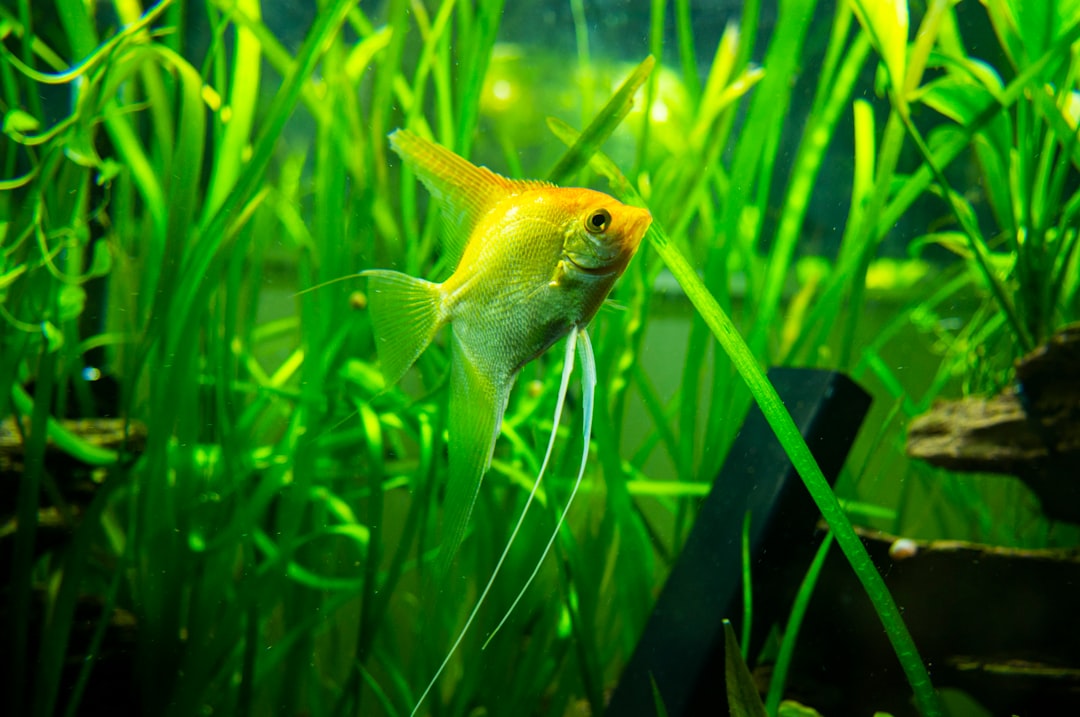
Breeding freshwater angelfish is one of the most rewarding projects an aquarist can undertake, and Singapore’s warm, soft water gives us a natural head start. This breed angelfish complete guide from Gensou Aquascaping Singapore covers pair formation, spawning triggers, egg care and raising fry to sellable size. Whether you keep classic silver angels or high-end koi or platinum strains, the fundamentals are the same.
Choosing Breeding Stock
Start with six to eight juvenile angelfish (Pterophyllum scalare) and let them pair off naturally—this is far more reliable than trying to sex young fish visually. Purchase healthy, active juveniles from reputable local shops in the Thomson or Serangoon North area, or from breeders on Carousell. Look for straight dorsal spines, full finnage and no signs of stunting. Quality breeding stock costs $5–$15 per fish for standard varieties, with premium strains fetching $20–$50.
Breeding Tank Setup
Once a pair forms—you will recognise them by their territorial behaviour and tendency to swim together—move them to a dedicated 150–200-litre breeding tank. Fit the tank with a gentle sponge filter, a heater set to 28–29 °C (Singapore ambient often suffices) and vertical spawning surfaces: a slate tile, a broad Echinodorus leaf or a PVC pipe stood upright. Keep lighting subdued and avoid housing other fish in the breeding tank.
Triggering Spawning
Angelfish respond to water changes that mimic the rainy season. Perform a 30–40 % water change with slightly cooler (25–26 °C), soft water to simulate a tropical downpour. Singapore’s PUB tap water at GH 2–4 is already soft enough; just dechloraminate it. Increase feeding with protein-rich live or frozen food—bloodworms, brine shrimp and mosquito larvae—for a week before attempting to trigger spawning. Most healthy pairs spawn every 10–14 days once conditions are right.
Egg Care
The female deposits rows of eggs on the chosen surface while the male fertilises them in a synchronised dance. A single spawn typically yields 200–500 eggs. Good parents fan the eggs constantly and remove any that turn white (infertile or fungused). If your pair eats the eggs—common with first-time parents—consider removing the spawning slate to a separate hatching container with an air stone positioned to gently circulate water over the eggs. Add a few drops of methylene blue to prevent fungus.
Hatching and Free-Swimming Fry
Eggs hatch in 48–60 hours at 28 °C. The larvae remain attached to the spawning surface by a yolk sac for another three to four days. Once they become free-swimming, begin feeding with freshly hatched brine shrimp nauplii (Artemia) three to four times daily. Microworms and vinegar eels are useful supplementary first foods. Maintain impeccable water quality—daily 10 % water changes with aged, dechloraminated water—as fry are extremely sensitive to ammonia.
Growing Out Fry
At two weeks, fry can accept crushed flake food alongside brine shrimp. Gradually increase tank volume or move batches to grow-out tanks to prevent stunting. By six to eight weeks, young angelfish develop their characteristic shape and reach 2–3 cm. At this size, they are ready to sell or distribute to fellow hobbyists. Many Singapore breeders sell juvenile angels in batches through online groups, with prices depending on strain and quality.
Common Breeding Problems
Egg eating is the most frustrating issue—give new pairs three to four attempts before considering artificial hatching. Infertile eggs (all white within 24 hours) suggest the male is not doing his job; watch the spawning closely to confirm both fish participate. Fry losses often result from poor water quality or insufficient feeding frequency. Singapore’s warm ambient temperature is actually an advantage, as it keeps tanks at ideal breeding range without expensive heating.
Related Reading
How to Breed Discus Fish: Water, Diet and Fry Care
How to Breed Convict Cichlids: The Easiest Cichlid for Beginners
Best Pond Plants for Singapore: Tropical Species That Thrive Outdoors



