
How to Clean Fish Tank Gravel Guide: Step-by-Step
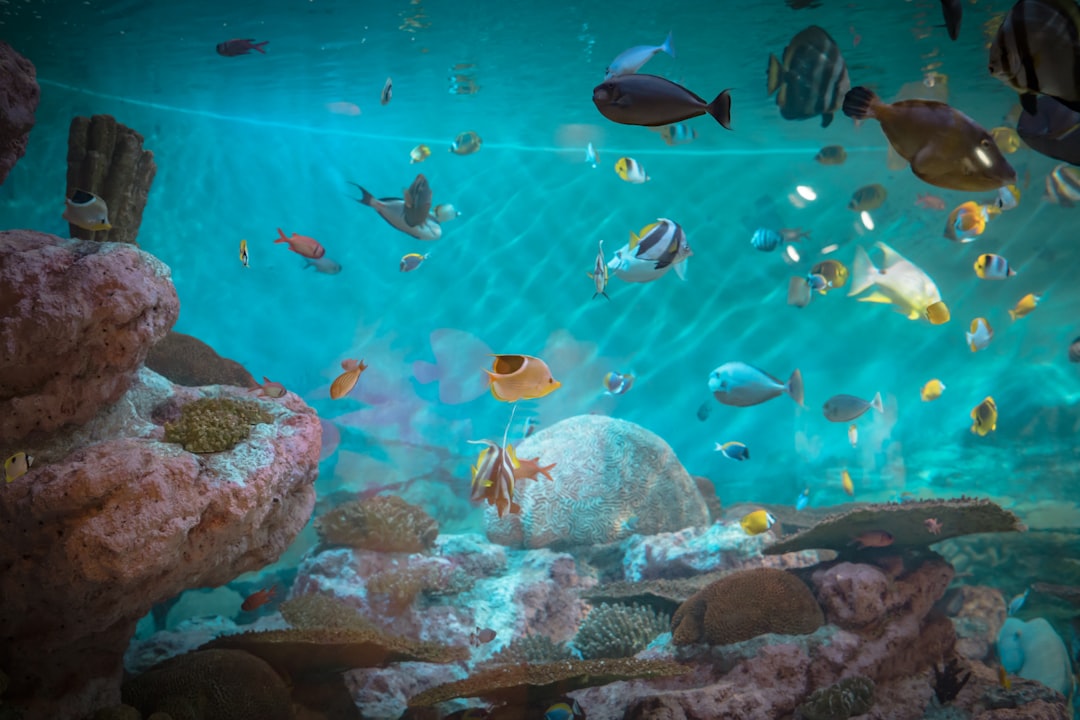
Gravel cleaning sits awkwardly between necessary maintenance and overkill — do it too rarely and detritus mineralises into ammonia spikes, do it too aggressively and you destroy biofilm and stress fish. This how to clean fish tank gravel guide from Gensou Aquascaping at 5 Everton Park walks through correct siphon technique, realistic frequency for Singapore tank conditions, and the planted-tank exceptions that most generic guides miss. PUB tap water stability means your cleaning cadence can be gentler than guides written for harder-water climates.
Why Gravel Cleaning Matters
Fish waste, uneaten food and shed plant matter settle into gravel crevices. Beneficial bacteria convert ammonia to nitrate at the surface; deeper debris turns anaerobic and releases hydrogen sulphide. Over weeks, uncleaned gravel becomes a nitrate factory that water changes cannot keep up with. Fish look fine until they suddenly do not — algae blooms and pH drops are the typical warnings.
What You Need
A gravel vacuum matched to tank size (Python-style or basic siphon SGD 12-25), a bucket sized to hold 25 percent of your tank volume, dechlorinator (Seachem Prime SGD 28 or Tetra AquaSafe SGD 18) and a clean towel. Optional but useful — an inline ball valve to control flow, a bucket clip to hold the drain hose, and a spare bucket for refill water.
Step One — Prepare Replacement Water
Fill a clean bucket with tap water at a temperature within 2°C of your tank. PUB cold tap averages 26-28°C in Singapore — close enough for most community tanks without blending. Add dechlorinator at full tank-volume dose before the refill bucket touches the tank. Stir briefly; chloramine neutralisation takes under a minute. For sensitive species or Caridina shrimp, let the water sit 10 minutes with an air stone.
Step Two — Turn Off Equipment
Switch off heaters and filters before dropping the water level. Heaters can crack if exposed to air while hot; filters can run dry and damage impellers. A 10-second task that prevents expensive damage. Leave equipment off for the full duration of the water change — 15-30 minutes is within safe range for biological filter bacteria.
Step Three — Prime the Siphon
If your vacuum has a bulb primer, submerge the tube and bulb in the tank, squeeze three or four times and the siphon starts. Without a bulb, the fill-and-flip method — submerge the whole hose so it fills with water, cap the bucket end with your thumb, swing down into the bucket below tank level, release. The siphon establishes instantly. Never mouth-prime aquarium hoses.
Step Four — Vacuum Technique
Push the vacuum tube straight down into the gravel until it rests on the tank bottom. Lift the tube by 1 cm — water flows, gravel churns inside the tube, mulm lifts into the hose and heavier gravel falls back. Hold for 3-5 seconds, then lift the tube clear and move 5 cm across. Cover systematically so you vacuum 25-33 percent of the gravel area per session.
Step Five — Rotate Areas
Do not vacuum the entire substrate every water change. Divide the tank into thirds and deep-clean one third each weekly session. This preserves biofilm in the untouched sections so nitrifying bacteria always maintain critical mass. Full-tank deep cleans are only for rescapes or parameter crises.
Step Six — Monitor Water Volume
Stop when you have removed 25-30 percent of tank volume. Mark your tank glass with tape at the target low level before starting. Easy to lose track during vacuuming and suddenly notice you have drained 50 percent — unnecessary stress on fish and biology. For a 60 L tank, 15 L out is your target.
Step Seven — Refill Carefully
Pour replacement water slowly against the glass or onto a plate resting on the substrate to avoid kicking up mulm you just cleaned. A jug or small pitcher works better than tilting the full bucket. Water temperature within 2°C of tank eliminates thermal shock. Once level is restored, switch heater and filter back on, wait 10 minutes for equipment to stabilise before leaving the tank.
Planted Tank Exception
Do not push the vacuum into the substrate of heavily planted tanks. You will uproot stems and pull aquasoil capsules to the surface, cloudying water for days. Instead, hold the tube 5-8 cm above the substrate and let surface detritus siphon off. Heavily carpeted foregrounds with monte carlo or dwarf hairgrass need only this surface skim — roots handle mineralisation below.
Frequency for Singapore Tanks
Weekly 25 percent changes with rotating gravel cleaning suit most community tanks. Shrimp-only tanks with low bioload — fortnightly at most. Heavily stocked discus or African cichlid tanks — twice weekly. PUB tap is stable enough that you do not need the aggressive weekly full-tank vacuum cycles that US-written guides recommend for hard chlorinated municipal water.
Common mistakes to avoid — vacuuming too deeply in planted tanks and unscaping your hard work, cleaning the entire gravel bed at once and crashing biological filtration, using tap water to rinse gravel tools between tanks (chlorine kills biofilm on next use; rinse in tank water instead), skipping dechlorinator because the tap ran clear, refilling with cold water straight from the tap without temperature check. All avoidable with routine.
Related Reading
- Gravel Vacuum Fish Tank Guide
- Fish Tank Gravel Complete Guide
- Aquarium Water Change Guide Singapore
- Seachem Prime Dosing Guide
- Aquarium Maintenance Schedule Singapore



