How to Explain the Nitrogen Cycle Simply to New Fishkeepers
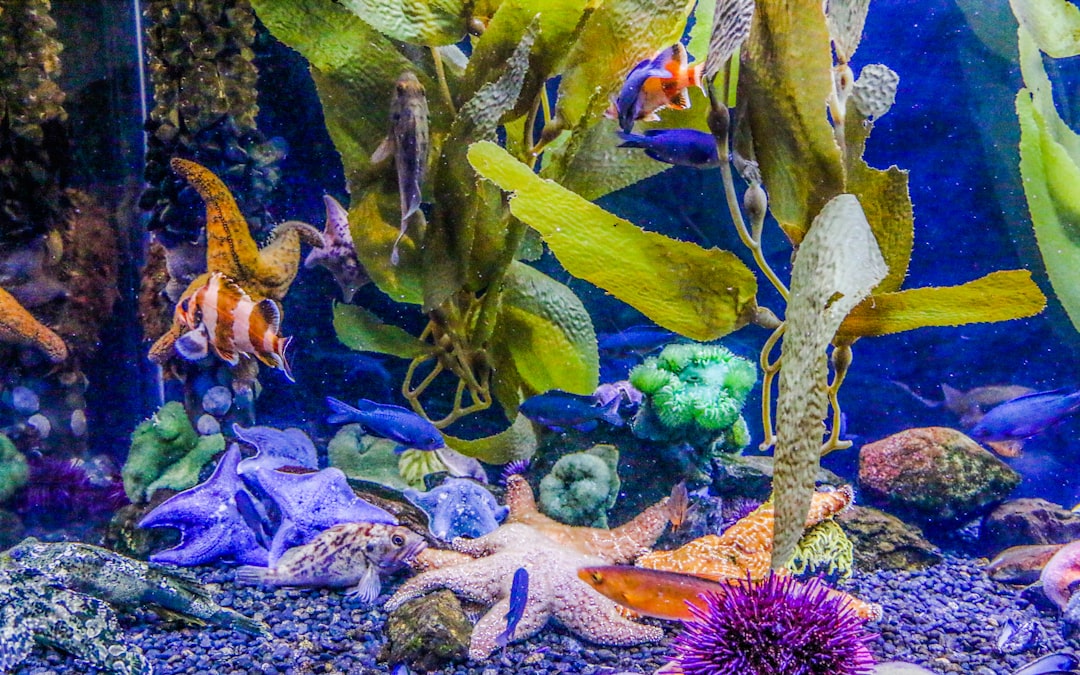
Every new fishkeeper hears “cycle your tank” within their first week, yet the nitrogen cycle remains one of the most confusing concepts in the hobby. If you can explain the nitrogen cycle simply, you save beginners from lost fish and frustration. This guide from Gensou Aquascaping at 5 Everton Park, Singapore, gives you a plain-language breakdown you can share with anyone picking up their first tank.
The One-Sentence Version
Fish produce waste that is toxic, bacteria convert it into something less toxic, and water changes remove the end product. That single sentence captures the entire cycle. Everything else is detail, important detail, but the core idea is a biological conveyor belt that keeps your fish alive between water changes.
Stage One: Ammonia From Fish Waste
Fish excrete ammonia directly through their gills and in their waste. Uneaten food and decaying plant matter also release it. Ammonia (NH3) is extremely toxic, even at concentrations as low as 0.5 ppm. In a brand-new tank with no beneficial bacteria, ammonia simply accumulates. This is why adding fish to a fresh setup on day one is so risky. Think of ammonia as the raw sewage of your aquarium.
Stage Two: Nitrite, the Halfway Point
A group of bacteria called Nitrosomonas colonise your filter media and convert ammonia into nitrite (NO2-). Nitrite is still very harmful to fish, interfering with their blood’s ability to carry oxygen. During cycling, you will see ammonia fall while nitrite spikes. This halfway stage often catches beginners off guard because they assume the problem is solved once ammonia drops. It is not, not yet.
Stage Three: Nitrate, the Safer End Product
A second group of bacteria, Nitrospira, then converts nitrite into nitrate (NO3-). Nitrate is far less toxic and can be tolerated by most fish at levels below 40 ppm. Plants actually consume nitrate as fertiliser, which is one reason planted tanks tend to have cleaner water. Your regular weekly water change of 20-30% keeps nitrate from creeping above safe thresholds. In Singapore, where PUB tap water has negligible nitrate, your replacement water effectively dilutes it each time.
How Long Does Cycling Take
A fishless cycle using pure ammonia typically takes three to six weeks. You dose the tank to 2-4 ppm ammonia, wait for bacteria to establish, and test regularly until both ammonia and nitrite read zero within 24 hours of dosing. Bottled bacteria products like Seachem Stability or Dr Tim’s One and Only can accelerate the process to two to three weeks. Squeezing a dirty filter sponge from a mature tank into your new filter is the fastest shortcut of all, often cutting cycling down to under two weeks.
Common Mistakes That Stall the Cycle
Washing filter media under the tap kills beneficial bacteria because Singapore’s chloramine-treated water is lethal to these microbes. Always rinse in old tank water. Running the tank without an ammonia source means bacteria have nothing to feed on and the colony never establishes. Overzealous cleaning, replacing all media at once or adding too many fish before the cycle completes are other frequent pitfalls. Patience is genuinely the most important ingredient.
Explaining It to a Complete Beginner
Skip the jargon. Try this analogy: your aquarium is a tiny city. Fish produce sewage (ammonia). Invisible workers (bacteria) process it into something safer, first into a still-harmful intermediate (nitrite), then into a mild byproduct (nitrate). Your weekly water change is the garbage truck that hauls the nitrate away. Without the workers, sewage builds up and residents get sick. Cycling the tank is just giving the workers time to move in and set up before the residents arrive.
Testing Confirms the Cycle Is Complete
Invest in a liquid test kit such as the API Freshwater Master Kit, available for around $35-$45 SGD at local shops or on Shopee. Test strips are less accurate and harder to read. When you can dose ammonia to 2 ppm and both ammonia and nitrite return to zero within 24 hours, your cycle is complete and the tank is ready for its first fish. Start with a small group, feed lightly, and continue testing weekly for the first month to confirm the bacterial colony can handle the bioload.
Related Reading