
How to Grow Pogostemon Helferi Downoi: Star Plant Carpet Tips
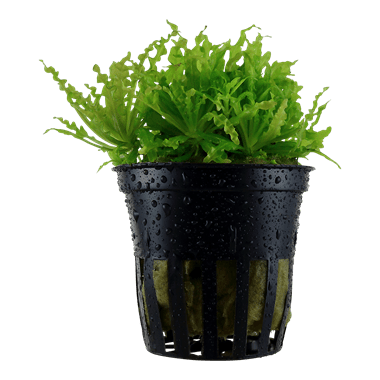
With its crinkled, star-shaped rosettes, Pogostemon helferi — commonly known as downoi — is one of the most distinctive foreground plants in aquascaping. Yet many keepers struggle to establish it successfully. This grow pogostemon helferi downoi guide from Gensou Aquascaping at 5 Everton Park, Singapore, covers the specific conditions this plant demands and how to meet them in a tropical home aquarium.
Understanding What Makes Downoi Unique
Originally discovered in Kanchanaburi, Thailand, Pogostemon helferi grows along riverbanks where it thrives both submerged and emersed. Unlike typical stem plants, it forms compact rosettes with distinctively wavy, zigzag-edged leaves. Each rosette stays low — typically 3-5 cm tall — making it ideal as a foreground carpet or accent plant around hardscape.
Its growth pattern also differs from most aquarium plants. Rather than growing upward, established downoi produces lateral runners that sprout daughter rosettes, gradually forming a dense mat if conditions are right.
Substrate Requirements
Downoi is a heavy root feeder. A nutrient-rich substrate is not optional — it is essential. ADA Amazonia, Tropica Aquarium Soil, or similar active substrates provide the base nutrition this plant needs. In inert substrates like plain sand or gravel, downoi will languish unless you supplement heavily with root tabs placed directly beneath each rosette.
Plant each rosette firmly, burying the root crown just below the substrate surface. Downoi has a tendency to float up in the first few days before roots establish. A small pebble placed against the base helps anchor it during this period.
Lighting and CO2
Medium to high lighting (50-80 PAR at substrate level) brings out the best in downoi. Under low light, rosettes stretch upward and lose their compact, star-shaped form. CO2 injection significantly accelerates growth and improves leaf quality — aim for 20-30 ppm using a pressurised system with a diffuser positioned to deliver CO2 across the foreground.
Without CO2, downoi can survive but grows extremely slowly and is more prone to algae colonising its textured leaves. For best results in Singapore’s planted tank scene, treat this as a CO2-required species.
Fertilisation Schedule
Beyond the nutrient-rich substrate, regular liquid fertilisation keeps downoi thriving. Dose a comprehensive liquid fertiliser containing iron, potassium, and trace elements two to three times per week. Iron deficiency shows as pale, yellowish new leaves — increase iron dosing if you spot this.
Potassium deficiency manifests as pinholes in older leaves, a common issue in soft Singapore tap water. Supplement potassium separately at 10-20 ppm if your all-in-one fertiliser does not provide enough.
Propagation and Spreading
Patience is key. Downoi takes four to six weeks to settle in after planting, during which growth appears minimal. Once established, runners emerge from the base of mature rosettes, producing new plantlets 2-3 cm from the mother plant. You can also propagate by carefully separating side shoots once they develop their own root system and replanting them in a new location.
Achieving a true carpet takes three to six months depending on your initial planting density. Starting with one rosette every 3-4 cm gives reasonable coverage without excessive cost, as downoi is priced at $5-8 per pot in most Singapore aquarium shops.
Common Problems and Solutions
Melting after planting is normal, especially with tissue-cultured specimens transitioning to submerged growth. Remove decaying leaves promptly to prevent debris and algae. If rosettes consistently melt back completely, check substrate nutrients and CO2 levels first — these are the two most common deficiencies.
Green spot algae on downoi’s textured leaves is difficult to remove manually. Prevention through stable CO2, adequate phosphate levels, and consistent lighting duration (7-8 hours) is far easier than treatment. Spot-dosing liquid carbon on affected leaves can help in mild cases.
Ideal Tank Mates for a Downoi Carpet
Avoid large, digging fish that uproot foreground plants. Corydoras species and bottom-feeding loaches can dislodge newly planted rosettes. Small shrimp like Neocaridina davidi are safe and actually benefit the plant by grazing algae from its leaf surfaces. Nano fish that swim mid-water — ember tetras, chili rasboras, and similar species — complement a downoi foreground without disturbing it.
Is Downoi Worth the Effort
Absolutely. A mature Pogostemon helferi carpet is one of the most visually striking foreground displays in planted aquascaping. Following this grow pogostemon helferi downoi guide closely and meeting its core needs for rich substrate, CO2, and moderate-to-high light will reward you with a plant that few other species can match for texture and character.
Related Reading



