
How to Quarantine New Fish Before Adding to Your Aquarium
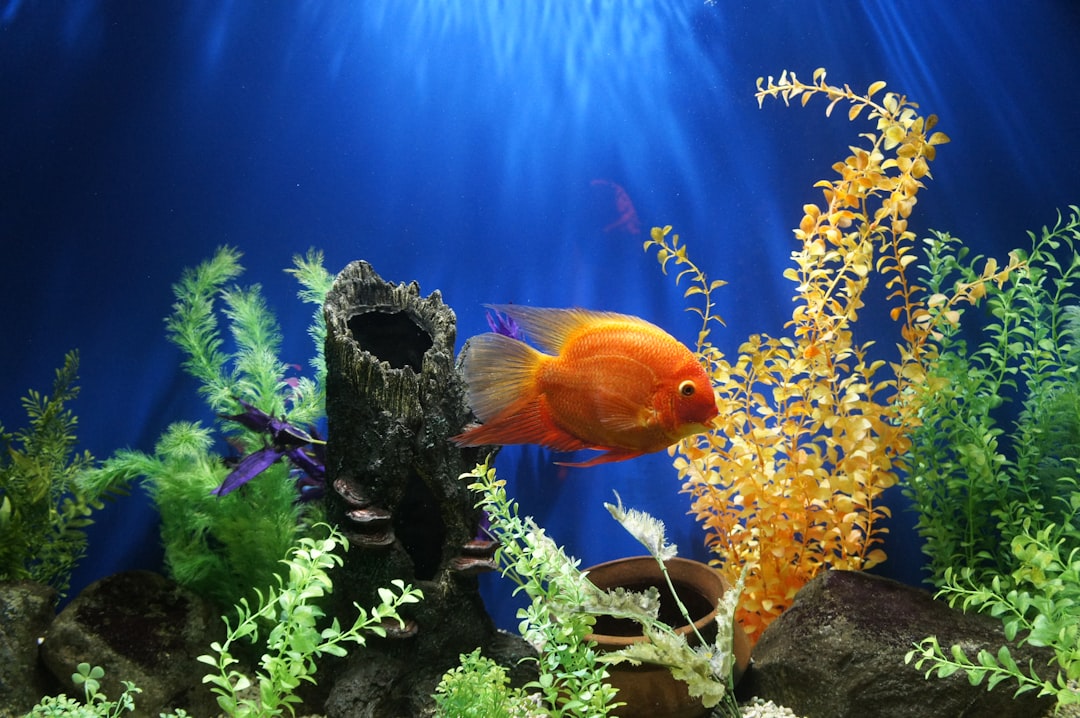
Every seasoned fishkeeper knows that skipping quarantine is a gamble with the entire tank. This quarantine new fish aquarium guide from Gensou Aquascaping Singapore — with over 20 years of hands-on experience at 5 Everton Park — walks you through the process step by step. Quarantine new fish properly, and you protect months of careful work in your main display.
Why Quarantine Matters
New arrivals from local fish shops or online sellers on Shopee and Carousell can carry parasites, bacteria, and fungal infections that show no visible symptoms for days. Ich (Ichthyophthirius multifiliis), columnaris, and internal worms are common hitchhikers. A single infected fish introduced to a community tank can wipe out an entire population within a week.
Quarantine also gives new fish time to de-stress after transport. Stress suppresses the immune system, making fish more vulnerable. Two to four weeks in a calm, separate environment allows them to recover before facing tankmates.
Setting Up a Quarantine Tank
You do not need anything elaborate. A bare-bottom tank between 20 and 40 litres works for most freshwater species. Bare bottoms make it easier to spot waste, uneaten food, and signs of disease. Use a simple sponge filter — seeded from your main tank if possible — to provide biological filtration without trapping medication.
Add a small heater only if your air-conditioned room drops below 24°C; most Singapore homes sit at 28–32°C, which suits tropical species fine. Include a few PVC pipes or terracotta pots for hiding spots. Skip substrate, live plants, and activated carbon, as carbon removes medication from the water.
Water Parameters and Preparation
Fill the quarantine tank with dechlorinated PUB tap water. Singapore’s tap water is soft and slightly acidic, typically around pH 6.5–7.0, which suits most tropical freshwater fish. Treat with a dechlorinator that neutralises chloramine — standard chlorine removers alone are not enough for PUB water.
Match temperature and pH as closely as possible to the water the fish arrived in. A sudden shift of more than 1°C or 0.5 pH units can trigger shock. Use a thermometer and liquid test kit for accuracy.
Acclimation on Day One
Float the sealed bag in the quarantine tank for 15 minutes to equalise temperature. Then open the bag and add roughly 50 ml of tank water every five minutes for 30 to 40 minutes. This drip-style approach eases the transition. Net the fish into the tank afterwards — never pour bag water in, as it may contain pathogens from the seller’s system.
Observation and Treatment Schedule
During the first week, observe closely. Look for white spots, clamped fins, rapid gill movement, flashing against surfaces, or stringy faeces. Feed sparingly — once a day is enough — to keep ammonia levels manageable in a small tank.
Many hobbyists in Singapore follow a prophylactic treatment protocol. A common approach uses a general antiparasitic like praziquantel during week one, followed by a broad-spectrum antibacterial in week two. Always follow dosing instructions on the product label. Perform a 30–50% water change before switching medications.
If no symptoms appear after 14 days, some keepers consider the quarantine complete. However, extending to 21–28 days catches slower-developing illnesses like fish tuberculosis (Mycobacterium marinum).
Feeding During Quarantine
Offer high-quality pellets or flakes in small portions. Newly arrived fish may refuse food for the first day or two — this is normal. Garlic-soaked food can stimulate appetite and has mild antiparasitic properties. Remove uneaten food after five minutes to prevent ammonia spikes in the small volume.
When to Transfer to the Main Tank
Transfer only when the fish has eaten consistently for at least a week, shows no signs of disease, and displays normal behaviour — active swimming, erect fins, and clear eyes. Acclimate again during the move, matching temperature and pH between the quarantine and display tanks. A quarantine new fish aquarium guide is only useful if you follow through to the end.
Common Mistakes to Avoid
Running the quarantine tank without a cycled filter tops the list. Ammonia poisoning during quarantine defeats the purpose entirely. Sharing nets, siphons, or buckets between quarantine and display tanks is another frequent error — always keep equipment separate or sanitise thoroughly between uses.
Cutting quarantine short because a fish “looks fine” is tempting but risky. Many pathogens have incubation periods longer than a week. Patience here saves money, time, and heartache. At Gensou Aquascaping, we have seen too many hobbyists learn this lesson the hard way.
Related Reading



