
How to Reduce Aquarium Noise: Silent Tanks for Bedrooms and Offices
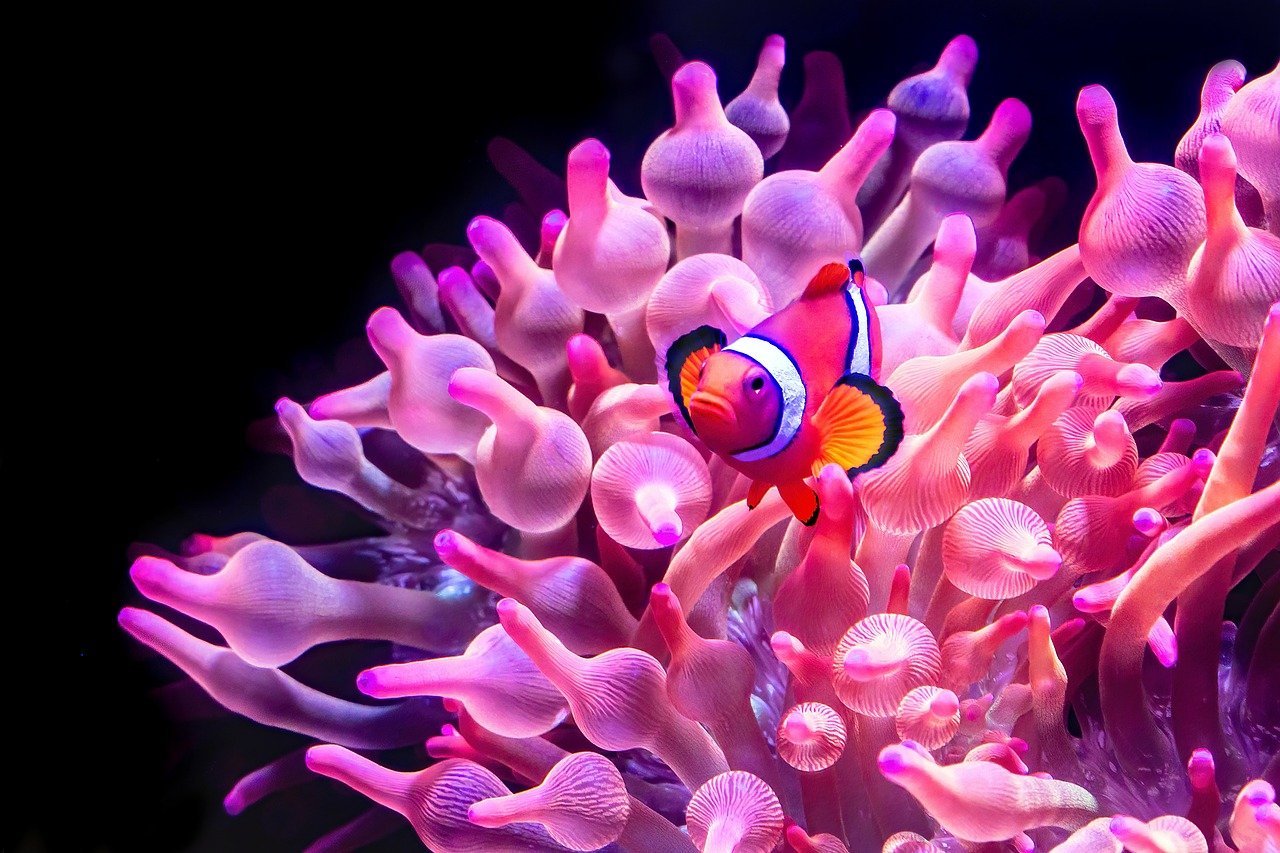
A beautifully maintained aquarium should be a source of calm, not an endless backdrop of buzzing, splashing and rattling. If your tank is keeping you awake at night or distracting you at work, this reduce aquarium noise guide will help you identify every common source of unwanted sound and fix it. At Gensou Aquascaping at 5 Everton Park, we design silent aquascapes for bedrooms, offices and living rooms across Singapore — and the techniques below are exactly what we use.
Identifying the Source of the Noise
Before you can fix the problem, you need to pinpoint where the noise is coming from. The most common culprits are vibrating equipment, water flow, air pumps and loose-fitting lids or covers.
Turn off each piece of equipment one at a time — filter, air pump, heater, powerhead — and listen carefully after each. This simple process of elimination quickly reveals the offending component. In many cases, there are multiple sources contributing to an overall hum that seems louder than the sum of its parts.
Quietening Hang-on-Back and Canister Filters
Hang-on-back (HOB) filters are frequent noise offenders, particularly when the water level drops below the outflow lip, creating a waterfall splash. Topping up the tank so the water level sits just below the outflow eliminates this splashing entirely.
If the filter motor itself vibrates, check that the impeller is clean and free of debris. A worn or cracked impeller can cause rattling. Replacement impellers are inexpensive and readily available at aquarium shops in Singapore.
Canister filters are generally quieter, but they can develop noise over time. Air trapped inside the canister after maintenance causes gurgling. Tilt the canister gently and give the outlet hose a shake to release trapped air bubbles. Ensure all hose connections are tight and that the canister sits on a stable, level surface.
Silencing Air Pumps
Air pumps are notorious for producing a persistent, low-frequency buzz that travels through surfaces. The simplest fix is to place the pump on a thick piece of foam, a folded towel or a purpose-built vibration-dampening mat. This prevents the vibration from transferring to the shelf, desk or cabinet beneath it.
Hanging the air pump from a hook using a short bungee cord is another effective trick — suspending it in mid-air eliminates contact vibration entirely. If you need an air pump for a bedroom aquarium, invest in a high-quality, silent model. Brands marketed specifically as ultra-quiet may cost a little more, but the difference in noise output is dramatic.
Check valves and airline tubing can also rattle against the tank or stand. Secure loose tubing with small clips or cable ties to prevent movement.
Reducing Water Flow and Splash Noise
The sound of water cascading into the tank is pleasant for some but maddening for others, especially at night. Adjustable flow filters allow you to dial down the output, which reduces splash noise significantly.
Attaching a small piece of sponge or filter floss to the outflow pipe diffuses the water stream and softens the sound. For lily pipe users, positioning the outflow just below the water surface rather than above it creates a gentle ripple instead of a noticeable splash.
Surface agitation is important for gas exchange, so avoid eliminating flow altogether. The goal is to redirect and diffuse it rather than stop it.
Dealing with Vibrating Lids, Covers and Equipment
Glass lids sitting on plastic rims can vibrate and rattle, particularly when an air pump or powerhead creates vibrations in the water. Small adhesive rubber bumpers — available at most hardware shops in Singapore — placed at the contact points between the lid and the rim solve this problem instantly.
Heaters, thermometers and suction-cup-mounted equipment can also buzz or rattle against the glass. Ensure all suction cups are firmly attached and replace any that have lost their grip. A thin layer of aquarium-safe silicone between the suction cup and the glass improves adhesion and dampens vibration.
Choosing Quiet Equipment From the Start
If you are setting up a new aquarium for a bedroom or office, selecting quiet equipment from the outset saves considerable hassle. Canister filters and internal filters are generally quieter than HOB models. DC-powered return pumps with adjustable speeds allow you to fine-tune flow for minimal noise.
For planted tanks, an inline CO2 diffuser eliminates the fizzing sound of a ceramic diffuser inside the tank. LED lighting units produce no noise at all, unlike older T5 or T8 fluorescent fixtures with buzzing ballasts.
When in doubt, ask for recommendations. The team at Gensou Aquascaping can suggest equipment combinations tested for quiet operation in Singapore’s typical room environments.
Tank Placement and Room Acoustics
Where you place the aquarium matters. Hard, reflective surfaces — tiled floors, glass tabletops, bare walls — amplify equipment noise. Placing the tank stand on a rug or rubber mat, and positioning the aquarium near soft furnishings, absorbs sound and reduces perceived volume.
Avoid placing the tank directly against a shared wall in an HDB flat or condominium, as low-frequency vibrations can transfer through the structure. A small gap between the stand and the wall, combined with vibration-dampening feet on the stand, makes a noticeable difference.
Maintenance Habits That Keep Things Quiet
Noise often creeps back over time as equipment wears and debris accumulates. Regular maintenance keeps things running silently. Clean impellers and intake strainers monthly. Replace worn rubber feet and suction cups before they fail. Top up the tank regularly to prevent waterfall splash from filters.
A quiet aquarium is not just about comfort — it indicates that your equipment is functioning properly and efficiently. If you would like help designing a near-silent aquascape for your bedroom or office, visit Gensou Aquascaping at 5 Everton Park. We specialise in creating beautiful, peaceful setups tailored to Singapore homes and workspaces.
Related Reading
- How to Reduce Phosphate Naturally in a Planted Tank
- How to Reduce Noise From Aquarium Equipment: Silent Tank Tips
- Active vs Inert Substrate: Which Is Right for Your Planted Tank?
- Alternanthera Reineckii Mini Care Guide: Compact Red Carpet Plant
- Amazon Frogbit Care Guide: Shade, Filtration and Beauty



