
How to Remove Chloramine From Tap Water for Aquariums
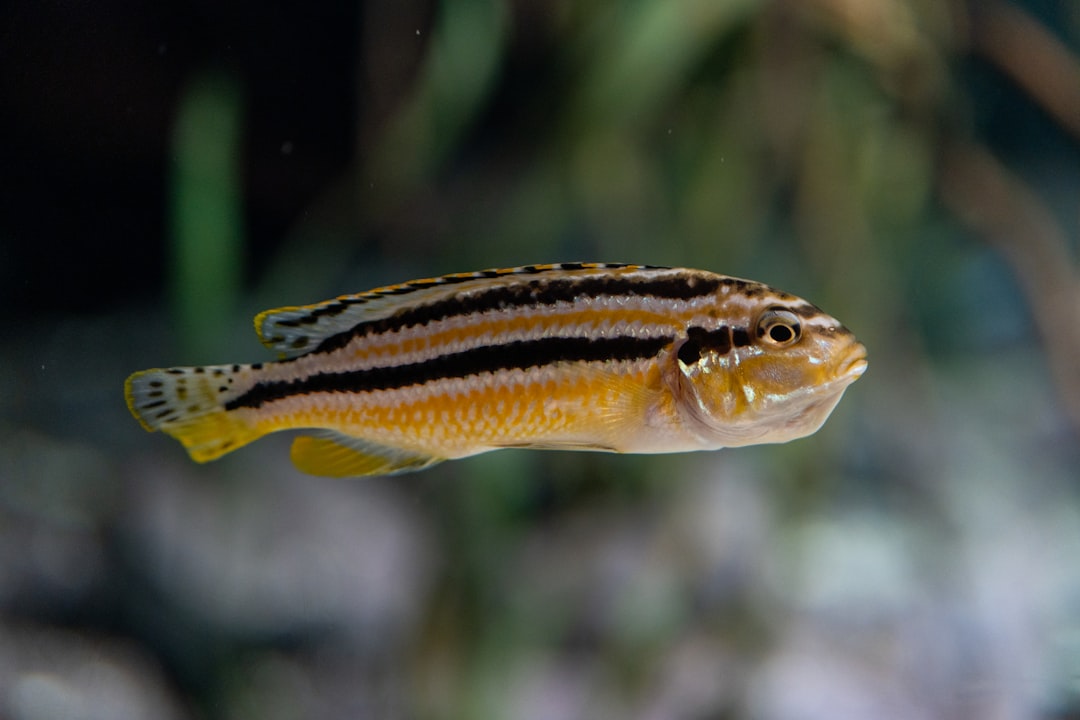
Singapore’s PUB-treated tap water contains chloramine — a stable compound of chlorine and ammonia that does not dissipate by simply sitting overnight. If you keep fish, knowing how to remove chloramine from tap water for your aquarium is not optional; it is essential. This guide from Gensou Aquascaping at 5 Everton Park, Singapore, draws on over 20 years of hands-on experience to walk you through every reliable method.
Why Chloramine Is More Dangerous Than Chlorine
Chlorine evaporates from water within 24–48 hours when left in an open container with aeration. Chloramine does not. PUB uses chloramine precisely because it persists longer in the distribution network, keeping drinking water safe from bacteria. For fish, however, this persistence is a serious problem — chloramine burns gill tissue and can be lethal at tap-water concentrations as low as 1–2 ppm.
Chloramine also breaks down into free ammonia when partially neutralised. That ammonia spike can trigger a secondary crisis in your tank if your biological filter is immature or overwhelmed. Understanding this two-stage threat is crucial before you choose a treatment method.
Using a Quality Water Conditioner
The fastest and most practical approach is a liquid water conditioner rated specifically for chloramine. Products such as Seachem Prime, API Tap Water Conditioner, and local equivalents available on Shopee and at Clementi’s C328 break the chloramine bond instantly. They also bind the released ammonia temporarily, giving your biofilter time to process it.
Dose accurately — overdosing wastes product and can temporarily lower dissolved oxygen, while underdosing leaves residual chloramine. Most conditioners treat at roughly 2 drops per litre, but always follow the label. For large water changes of 50 % or more, dose the full replacement volume rather than just the new water.
Activated Carbon Filtration
High-quality granular activated carbon (GAC) adsorbs chloramine effectively when water passes through it slowly. A carbon block or a canister filter chamber packed with fresh GAC can strip chloramine from tap water during refilling. Contact time matters — run the water through at a slow flow rate for best results.
Replace carbon every four to six weeks, because exhausted media stops adsorbing and may even leach contaminants back. Catalytic carbon, a more advanced variant, breaks down chloramine faster and lasts longer, though it costs roughly $15–$25 per 500 g in Singapore.
Vitamin C (Ascorbic Acid) Method
Ascorbic acid neutralises both chlorine and chloramine almost instantly on contact. Dissolve approximately 1 g of food-grade ascorbic acid per 40 litres of water, stir, and the chloramine is gone within seconds. It is affordable, widely available at pharmacies, and leaves no harmful residue.
One caveat: ascorbic acid slightly lowers pH. For tanks with acid-sensitive species or already low-pH water, buffer accordingly or use sodium ascorbate instead, which has a near-neutral effect on pH.
Ageing and Aeration — Why It Falls Short
Many beginners assume that leaving tap water out overnight removes all disinfectants. With chlorine, that works. With chloramine, it does not — even vigorous aeration for 24 hours barely reduces chloramine levels. Singapore’s water has used chloramine for decades, so the old bucket-and-wait method is unreliable here. Always treat chemically or filter through carbon.
Best Practice for Water Changes
Treat new water before it enters the tank. Fill a clean bucket or storage container, add your conditioner, wait two minutes, then siphon or pump the treated water in. Some hobbyists dose conditioner directly into the tank and refill via a hose — this works with fast-acting products like Prime, but it briefly exposes livestock to untreated water. For sensitive species like crystal shrimp or discus, pre-treating is always safer.
During Singapore’s monsoon season, PUB occasionally adjusts chloramine dosing. A simple liquid test kit for total chlorine (around $8–$12 at local shops) gives peace of mind. Test your tap water monthly and after any supply disruption.
Removing Chloramine for Top-Offs and Auto Water Change Systems
Automated top-off and drip systems are increasingly popular in planted tanks. If your system draws directly from tap, install an inline carbon filter rated for chloramine. Check the filter’s capacity — most small units handle 2,000–5,000 litres before needing a cartridge swap. Without this step, every automated top-off introduces a micro-dose of chloramine that accumulates over time.
Taking the time to properly remove chloramine from tap water protects your fish, shrimp, and beneficial bacteria from an invisible threat. At Gensou Aquascaping, we consider it the single most important step in every water change — get it right, and everything else in your tank runs smoother.
Related Reading



