
How to Save Water With Your Aquarium in Singapore: Reuse and Reduce
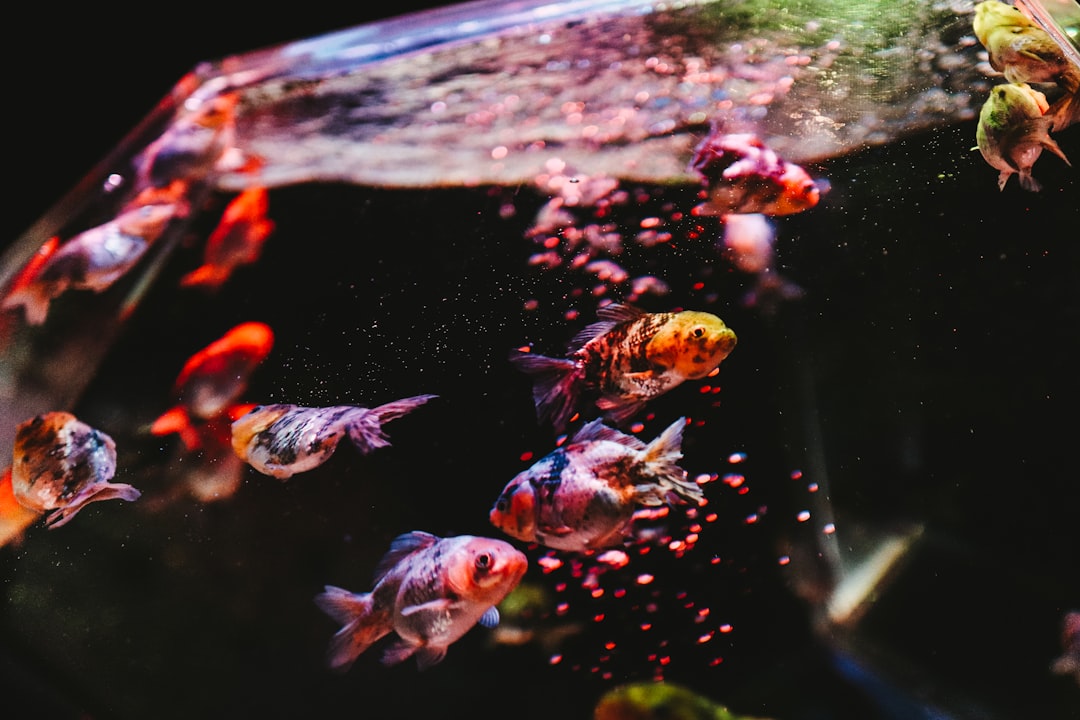
Water is precious in Singapore, and aquarium hobbyists are keenly aware of the weekly drain-and-refill routine. A practical save water aquarium Singapore guide helps you maintain a healthy tank while using every drop responsibly. At Gensou Aquascaping, 5 Everton Park, we have refined water-saving habits across hundreds of tanks over 20 years — and the savings add up faster than you might expect.
Reuse Old Tank Water for Plants
Aquarium water removed during water changes is rich in nitrogen, phosphorus, and potassium — essentially free liquid fertiliser. Pour it directly onto potted plants, herb gardens, or balcony greenery. HDB balcony vegetable plots thrive on weekly doses of old tank water. One 60-litre tank producing 15 litres of waste water per week can sustain a respectable collection of chilli plants, basil, and spring onions throughout the year.
Right-Size Your Water Changes
Not every tank needs a 50 % weekly water change. Lightly stocked planted tanks with healthy filtration often do perfectly well with 20–25 % changes. Test your nitrate levels: if they stay below 20 ppm between changes, you can safely reduce volume or frequency. A 30-litre tank going from 50 % to 25 % weekly changes saves roughly 30 litres per month — that is 360 litres per year, meaningful on a PUB bill where water costs $2.74 per cubic metre (before the waterborne fee).
Use a Gravel Vacuum Efficiently
Siphon-style gravel vacuums extract dirty water while cleaning the substrate, serving a dual purpose in a single operation. Avoid draining excess clean water just to reach the bottom of the tank — target debris pockets and mulm-heavy areas, then stop. A focused three-minute vacuum removes more waste per litre drained than a careless 10-minute siphon that mostly pulls clean water from the upper column.
Reduce Evaporation Losses
Open-top tanks in Singapore’s warm climate can lose 2–5 % of their volume daily to evaporation. A simple glass lid or acrylic cover reduces evaporation by 80 % or more. If aesthetics demand an open top, floating plants like Salvinia minima or Limnobium laevigatum partially cover the surface and slow moisture loss while also absorbing nitrates. Every litre that does not evaporate is a litre you do not need to replace.
Invest in Efficient Filtration
Powerful biological filtration breaks down waste more completely, keeping water parameters stable longer between changes. Canister filters packed with high-surface-area media like sintered glass or ceramic rings support dense bacterial colonies that convert ammonia and nitrite efficiently. A well-maintained canister on a 60-litre planted tank may allow you to stretch water changes to once every 10 days without compromising fish health.
Top Off Smartly
Evaporation removes pure water but leaves minerals behind, gradually increasing total dissolved solids (TDS). Top-off water should be treated tap water — not tank water — to keep mineral concentration from creeping upward. Use a marked line on the side glass to track water level and top off in small amounts daily rather than large slugs weekly. This maintains stable parameters and avoids wasting water on corrective large changes caused by neglected evaporation.
Collect and Reuse Rinse Water
When rinsing filter media, use old tank water rather than fresh tap water — this preserves beneficial bacteria and avoids wasting treated water. Keep a bucket of siphoned water aside before each maintenance session specifically for rinsing sponges and media. The same bucket can later go to your garden plants. Zero waste from a single water change is entirely achievable with a little planning.
Every Litre Counts
Singapore imports and processes every drop of its water supply, making conservation a civic responsibility as much as a cost-saving measure. Aquarists who adopt these habits find that their hobby actually contributes positively to household water use — nutrient-rich tank water grows better vegetables, efficient maintenance reduces total consumption, and mindful practices become second nature. A sustainable tank is a better tank.
Related Reading
- Green Water in Your Aquarium: Causes and How to Fix It
- Is Singapore Tap Water Safe for Aquariums? A Complete Analysis
- Singapore Water Hardness Map: What Your Tap Water Means for Fish
- Aquarium Water Parameter Cheat Sheet: Ideal Ranges for Every Setup
- Aquarium Water Parameter Log Template: Track and Trend



