How to Set Up a Betta Tank Properly: Space, Heat and Enrichment
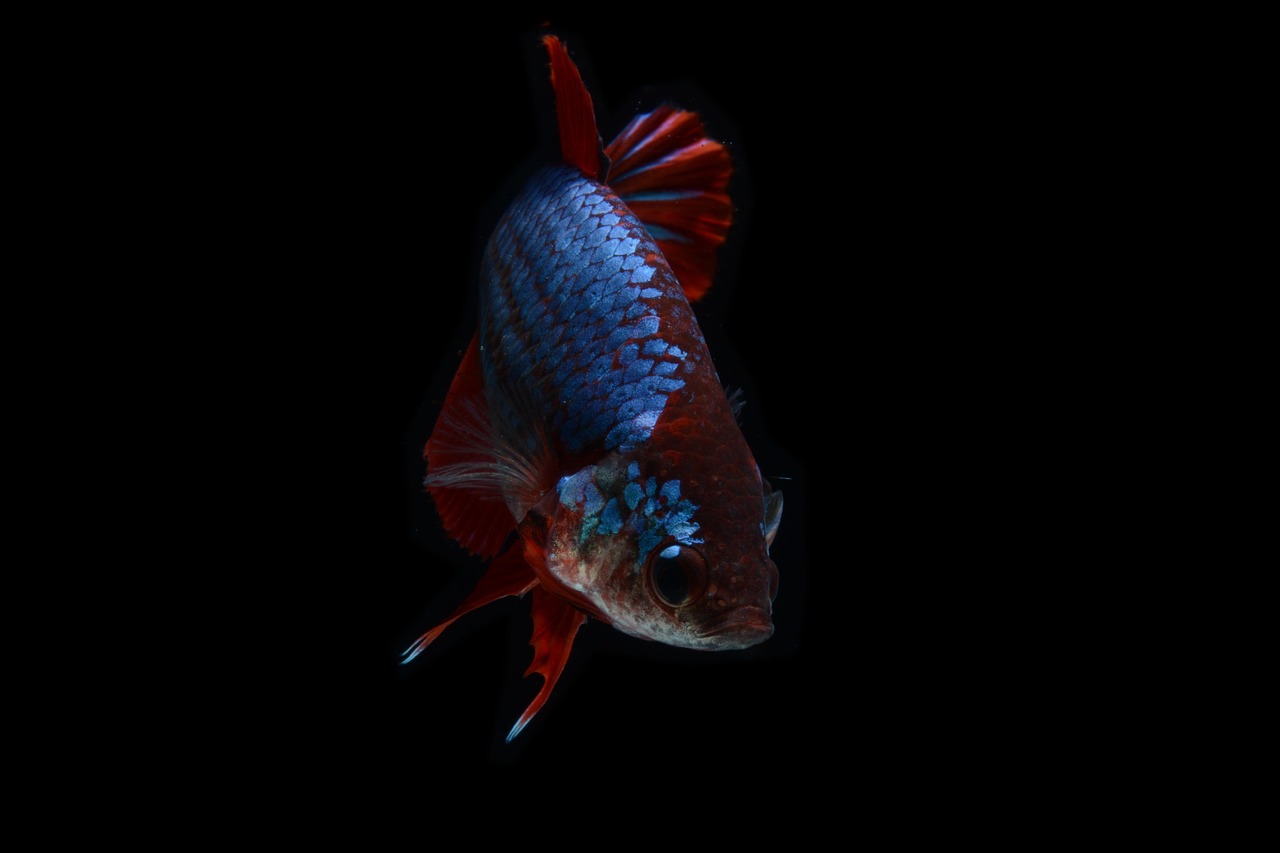
Bettas deserve far more than a tiny bowl on a desk. If you want to set up a betta tank properly, you need to provide adequate space, stable warmth, and environmental enrichment that allows natural behaviour. Gensou Aquascaping at 5 Everton Park, Singapore, has helped hundreds of hobbyists create betta setups that keep these fish healthy and vibrant for three to five years. Here is how to do it right from the start.
Minimum Tank Size and Shape
A single Betta splendens needs at least 15 litres, though 20-30 litres is far better for stable water chemistry and swimming space. Choose a tank that is longer than it is tall, as bettas patrol horizontally and breathe air from the surface. Tall, narrow vases force them to swim vertically, which is unnatural and stressful. Rimless glass tanks in the 30 cm cube format are popular in Singapore and provide a clean look with ample room for one betta.
Temperature and Singapore’s Climate Advantage
Bettas thrive between 25-28 degrees C, which Singapore’s ambient temperature of 28-32 degrees C covers naturally. Most setups here do not need a heater unless the tank sits in a heavily air-conditioned room below 24 degrees C. If your office or bedroom runs air conditioning overnight, a small 25-watt heater with a thermostat provides insurance against drops. Monitor with a digital thermometer rather than the unreliable stick-on strip type. Temperature swings of more than 2 degrees C per day stress bettas and invite disease.
Filtration Without Strong Current
Bettas, especially long-finned varieties like halfmoons and crowntails, struggle against strong flow. A small sponge filter powered by an air pump is ideal. It provides gentle biological filtration, surface agitation for gas exchange, and zero risk of fin damage. If using a hang-on-back filter, baffle the output with a sponge or redirect it against the glass wall. Flow should be barely visible at the water surface. Filter the tank at roughly 3-5 times total volume per hour for adequate turnover without creating a current.
Substrate and Planting
Fine sand or a thin layer of aquasoil at 2-3 cm depth works well. Avoid sharp gravel that can tear delicate fins if the betta rests on the bottom. Live plants are highly beneficial: Anubias barteri var. nana provides broad leaves for resting, Cryptocoryne wendtii fills the midground with minimal care, and floating Salvinia or Ceratopteris diffuses overhead light. Bettas appreciate dim, shaded areas created by floating cover. In Singapore, these plants are readily available at aquarium shops around Serangoon North for $3-8 per pot.
Enrichment and Hiding Spots
A bare tank with nothing inside stresses bettas and leads to glass surfing, a repetitive pacing behaviour along the walls. Provide at least two hiding spots using driftwood, ceramic caves, or dense plant clusters. Indian almond leaves (Terminalia catappa) release tannins that tint the water amber, lower pH slightly, and have mild antibacterial properties. Bettas visibly relax in tannin-stained water, often displaying deeper colour. One medium leaf per 15 litres, replaced every two weeks, is sufficient.
Cycling the Tank Before Adding Your Betta
Never add a betta to a brand-new, uncycled tank. Run the filter with a source of ammonia, either pure ammonia solution or fish food left to decompose, for 2-4 weeks until your test kit reads 0 ppm ammonia, 0 ppm nitrite, and some nitrate. Singapore’s warm water temperatures speed up bacterial colonisation compared to cooler climates. Seeding the filter with media from an established tank cuts cycling time to under a week. This single step prevents the number one killer of new bettas: ammonia poisoning.
Feeding a Balanced Diet
Bettas are carnivorous and need protein-rich food. A quality betta pellet like Hikari Betta Bio-Gold forms the staple, fed in portions of 3-4 pellets twice daily. Supplement with frozen bloodworms or brine shrimp two to three times per week for variety. Fast one day per week to aid digestion and prevent bloating, which bettas are prone to. Overfeeding is the most common husbandry mistake: uneaten food fouls water rapidly in small tanks, spiking ammonia within hours.
Common Setup Mistakes to Avoid
Placing the tank in direct sunlight near an HDB window promotes algae blooms and temperature spikes above 32 degrees C, which is dangerous. Using untreated tap water without dechlorinator exposes bettas to chloramine, which is present in all PUB water. Skipping the lid allows bettas to jump out, which they do more often than people expect. A glass or acrylic lid with a small gap for air exchange prevents escapes while reducing evaporation. With these fundamentals covered, your betta setup will be a source of calm and beauty for years to come.
Related Reading
- How to Set Up a Blackwater Aquarium: Tannins, Leaves and Soft Water
- How to Set Up a Community Tank: Species, Layout and Rules
- How to Set Up a Hospital Tank: Beginner Guide to Fish Treatment
- How to Set Up a Nano Shrimp Tank: Complete Beginner Guide
- How to Set Up a Quarantine Tank Cheaply: Budget Essentials